





What's Happening?
An ongoing Salmonella outbreak in Ramona, California, initially linked to mayonnaise from a local market, has expanded to 21 confirmed cases, including seven hospitalizations. The investigation by the County of San Diego revealed that the mayonnaise was
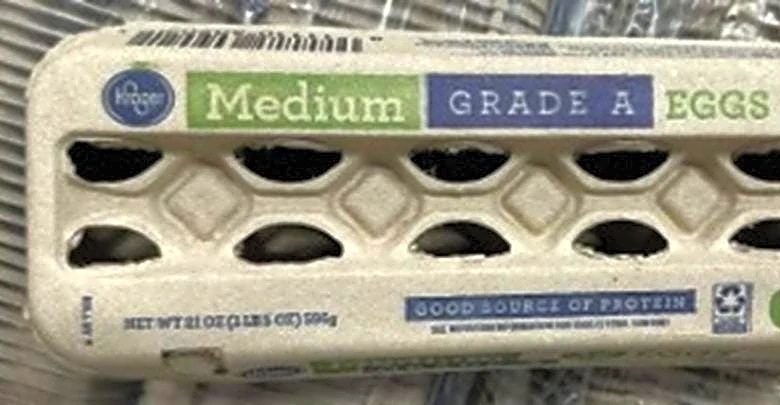
made with raw eggs supplied by Happy Hens, a poultry farm. The County is also investigating additional cases of the same Salmonella strain that are not directly related to the market. This local outbreak is distinct from a multi-state Salmonella outbreak in the Midwest that has sickened 98 individuals and led to a separate recall. Authorities are collaborating with the California Department of Food and Agriculture and the California Department of Public Health to manage the situation. The County’s Department of Environmental Health and Quality has issued reminders to retail food facilities that may have received eggs from Happy Hens regarding proper egg storage, grading requirements, and resale protocols.
Why It's Important?
This expanding Salmonella outbreak underscores critical public health concerns related to food safety and agricultural practices. The link to raw eggs from a specific poultry farm, Happy Hens, highlights the importance of stringent oversight in the food supply chain, particularly for products like eggs that are frequently consumed and can be a vector for bacterial contamination if not handled or cooked properly. The increase in cases and hospitalizations indicates a significant health risk to the community, potentially leading to severe illness, especially among vulnerable populations. For consumers, it reinforces the necessity of safe food handling practices, such as thoroughly cooking eggs and discarding suspicious ones. For businesses, particularly those in the food service industry and egg distribution, it emphasizes the financial and reputational risks associated with foodborne illness outbreaks, potentially leading to recalls, operational disruptions, and loss of consumer trust. The involvement of multiple state and county agencies also demonstrates the complex, multi-jurisdictional effort required to contain and investigate such outbreaks, impacting resource allocation and inter-agency coordination.
What's Next?
The County of San Diego, in conjunction with the California Department of Food and Agriculture and the California Department of Public Health, will continue its investigation into the Salmonella outbreak. This will likely involve further tracing of Happy Hens' egg distribution to identify all potentially affected retail food facilities and consumers. Public health officials will persist in monitoring for new cases and providing guidance on safe egg handling and consumption to prevent further spread. Consumers are advised to cook eggs thoroughly until both the yolk and white are firm, discard cracked or dirty eggs, and practice safe handling by washing hands and surfaces after contact with raw eggs. Individuals experiencing symptoms such as diarrhea, fever, or abdominal cramps after consuming undercooked eggs are urged to seek medical advice and report their illness to the County Department of Environmental Health and Quality. Future actions may include regulatory inspections of Happy Hens and other egg suppliers to ensure compliance with food safety standards, potentially leading to further recalls or changes in agricultural practices.
Beyond the Headlines
This Salmonella outbreak extends beyond immediate health concerns, touching upon broader implications for food safety regulations and consumer awareness. The incident highlights the vulnerability of the food supply chain to contamination, even from seemingly innocuous ingredients like eggs. It could prompt a re-evaluation of current grading and storage requirements for eggs, potentially leading to stricter enforcement or updated guidelines for poultry farms and food establishments. Ethically, it raises questions about the responsibility of producers to ensure the safety of their products and the transparency with which such incidents are communicated to the public. Culturally, it may reinforce a heightened sense of caution among consumers regarding raw or undercooked egg dishes, potentially influencing dietary habits and demand for pasteurized egg products. The long-term impact could include increased investment in food safety technologies and more robust surveillance systems to detect and respond to foodborne illnesses more rapidly, ultimately shaping public health policy and consumer behavior in the U.S. food market.