




What's Happening?
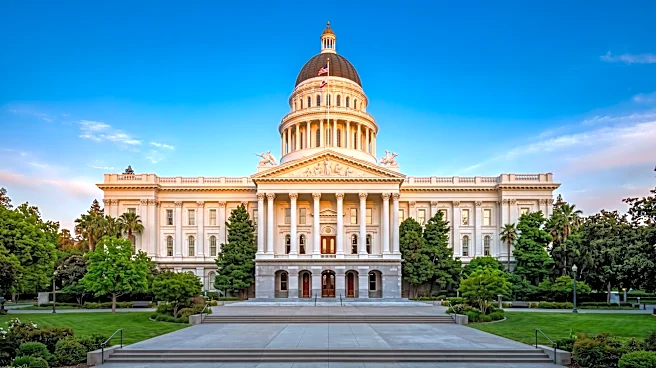
California Governor Gavin Newsom has withdrawn his proposal to reduce the financial burden on electrical utilities for wildfires caused by their equipment. Instead, he has agreed to a more limited package of wildfire policies with state legislative leaders.
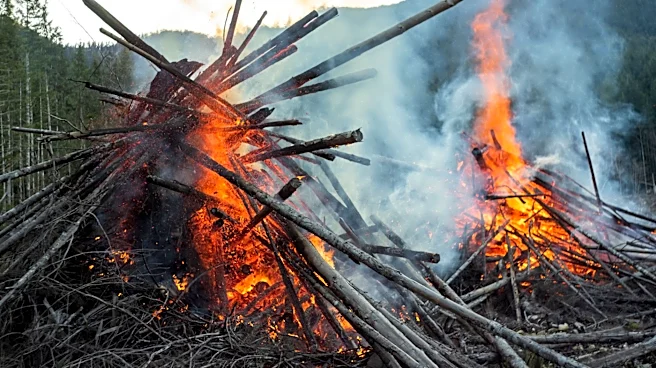
The original plan, which aimed to ease costs for utilities like Pacific Gas & Electric, Southern California Edison, and San Diego Gas & Electric, faced significant opposition from homeowners, insurance companies, and fire survivors who argued it would shift costs onto them. The new agreement, outlined in Senate Bill 492, does not substantially alter the amount utilities must pay for fires they cause. Key provisions of the revised deal include prohibiting private equity groups from investing in wildfire claims and denying CEO bonuses to utility executives in years their companies cause fatal fires. Additionally, the agreement establishes a 'fast-pay' program for survivors' property loss, pain, and suffering in utility-caused fires, with deadlines for claim validation and settlement offers. The state also commits to improving local wildfire mitigation efforts and sharing more data on insurance coverage in high-risk areas. This outcome is seen as a victory for lawmakers who resisted reducing damages to victims and shifting costs away from utilities.
Why It's Important?
This development is significant for California's energy sector, insurance market, and residents in wildfire-prone areas. By rejecting Newsom's initial proposal, the state legislature has affirmed that utilities will largely remain responsible for the financial consequences of fires they cause, which could impact their operational costs and investment strategies. The decision to maintain utility accountability is crucial for fire survivors, ensuring they are not left to bear the brunt of damages. The 'fast-pay' program aims to streamline the compensation process for victims, potentially reducing the lengthy legal battles often associated with wildfire claims. For the insurance industry, the outcome helps stabilize the market by preventing the elimination of subrogation rights, which allow insurers to recoup costs from responsible utilities. Had Newsom's original plan passed, it could have led to higher insurance premiums or insurers withdrawing from the state, further exacerbating the challenges faced by homeowners in high-risk zones. The continued focus on utility responsibility also underscores the ongoing need for robust wildfire prevention and mitigation efforts by these companies, as the financial incentives to avoid such incidents remain strong.
What's Next?
Lawmakers are scheduled to vote on Senate Bill 492 in the coming week, which will formalize the agreed-upon wildfire policies. While the current agreement addresses immediate concerns, both Governor Newsom and utility companies have indicated that comprehensive structural reform regarding utility liabilities for wildfires is still needed. Negotiations on this broader issue may resume next year, suggesting that the debate over how to manage wildfire costs and risks in California is far from over. Stakeholders, including utility companies, insurance providers, and fire survivor advocacy groups, will likely continue to engage in discussions to shape future legislation. The implementation of the 'fast-pay' program will be closely watched to ensure it effectively and efficiently compensates survivors. Furthermore, the state's commitment to improving local wildfire mitigation and data sharing will require ongoing efforts and collaboration among various agencies and communities. The long-term stability of the state's $18 billion wildfire fund, which is funded by utility customers and shareholders, will also remain a critical concern, particularly in the face of potential future catastrophic fires.
Beyond the Headlines
The legislative outcome highlights a deeper tension between protecting utility financial stability and ensuring accountability for wildfire damages. The debate over cost-shifting reflects the complex economic and social challenges posed by increasing wildfire frequency and intensity in California. The decision to deny CEO bonuses in years their companies cause fatal fires introduces a direct financial consequence for leadership, potentially fostering a stronger culture of safety and risk management within utilities. This move also signals a broader societal expectation for corporate responsibility in the face of environmental disasters. The emphasis on preventing private equity groups from profiting from wildfire claims underscores concerns about financial speculation in disaster recovery and aims to prioritize the needs of survivors. Ultimately, this legislative battle is part of a larger societal reckoning with climate change impacts, forcing a re-evaluation of how risks are distributed, how damages are compensated, and how industries are regulated in an era of escalating environmental threats. The ongoing discussions will likely influence future policy frameworks for disaster response and corporate accountability across other sectors and regions facing similar challenges.