
What's Happening?
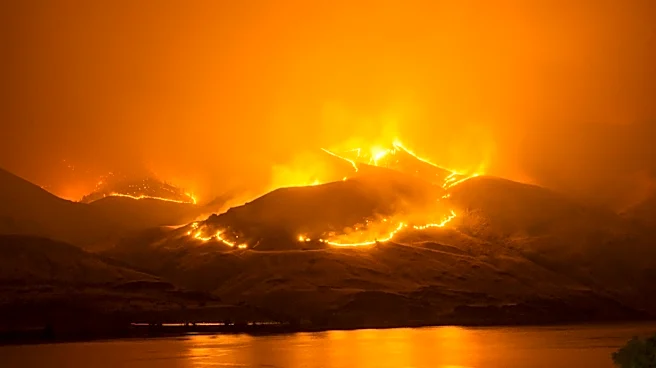
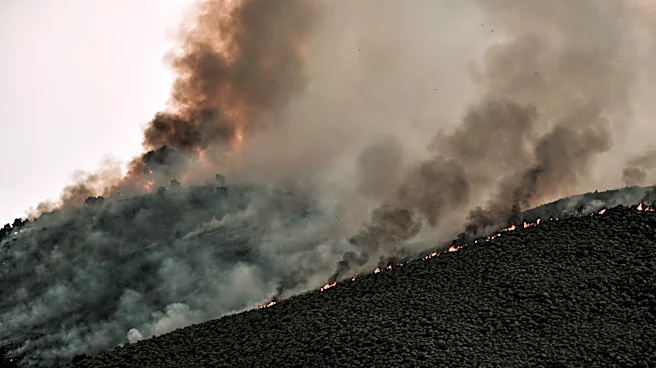
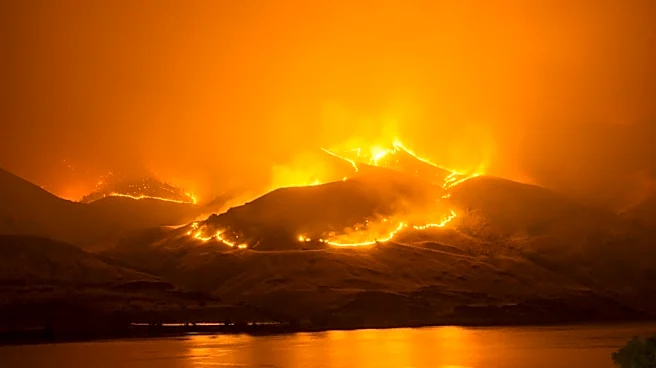
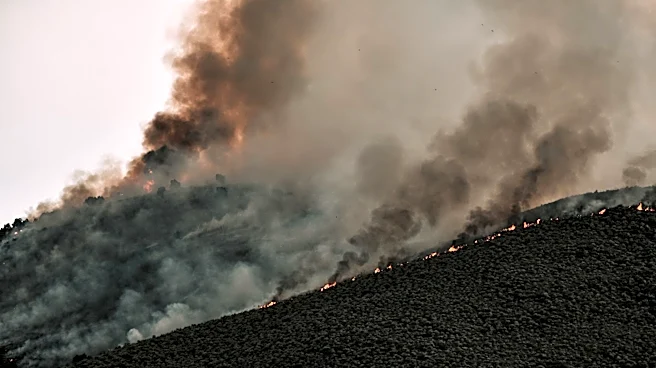
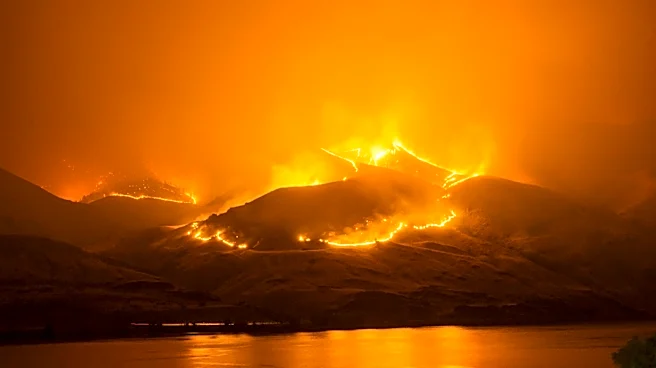
In 1959, Boise, Idaho, experienced a significant natural disaster known as 'The Big Mud Bath.' Following a wildfire that burned 9,000 acres, heavy rains caused mudslides that buried parts of the city in mud and debris. This event highlighted the ongoing
risks associated with wildfires, even after the flames are extinguished. Dr. Jen Pierce, a geoscientist at Boise State University, emphasizes that the dangers of wildfires extend beyond the immediate burn area. The 1959 disaster led to the Boise Front Watershed Restoration Project, which aimed to stabilize the burned landscape and prevent future flooding. The event remains a critical example of the long-term impacts of wildfires and the importance of proactive fire management strategies.
Why It's Important?
The 1959 Boise mudslide disaster serves as a historical lesson in the importance of comprehensive fire management and the need to address the aftermath of wildfires. As climate change increases the frequency and intensity of wildfires, understanding past events can inform current and future strategies to mitigate similar risks. The disaster underscores the need for collaboration between local, state, and federal agencies to implement effective restoration and prevention measures. It also highlights the role of invasive species, like cheatgrass, in exacerbating fire risks. By studying past events, communities can better prepare for and respond to the complex challenges posed by wildfires.
What's Next?
As researchers continue to monitor the Claremont Fire burn scar, there is an ongoing effort to improve fire management practices and protect vulnerable landscapes. The lessons from the 1959 disaster will continue to inform strategies for dealing with post-fire flooding and erosion. There is also a focus on preserving native vegetation and preventing the spread of invasive species like cheatgrass. These efforts aim to enhance the resilience of ecosystems and reduce the long-term impacts of wildfires on communities and the environment.