





What's Happening?
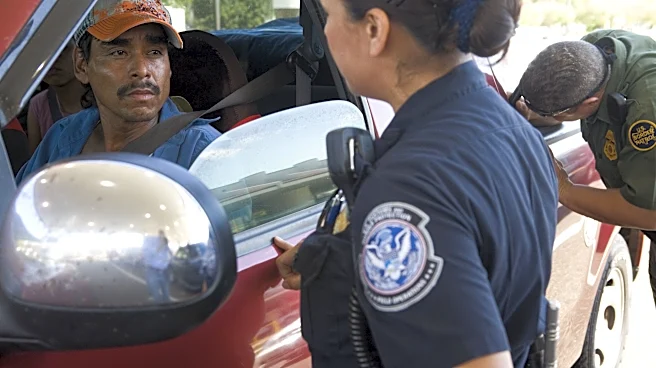
U.S. Customs and Border Protection (CBP), the largest federal law enforcement agency within the Department of Homeland Security, is actively recruiting for full-time, entry- and mid-level Border Patrol Agent (BPA) positions. CBP aims to fill these career
roles to enhance its mission of preventing terrorists and their weapons from entering the U.S. while facilitating lawful international travel and trade. The agency is offering substantial recruitment incentives, including up to $20,000 for new agents, with an initial $10,000 upon academy completion and an additional $10,000 for selecting a prioritized duty location. Furthermore, new BPAs may qualify for up to $30,000 in retention incentives distributed over three years. Candidates can qualify at GL-5, GL-7, GL-9, or GS-11 grade levels based on education or experience in public safety, security, military police, or law enforcement. Applicants must be U.S. citizens, have primary U.S. residency for at least three of the last five years, and generally be under 40 years old at the time of referral for selection.
Why It's Important?
This urgent hiring initiative by CBP underscores the critical need for personnel to secure U.S. borders and manage immigration flows. The significant financial incentives offered reflect the challenges in recruiting and retaining law enforcement officers for demanding roles, particularly in remote or high-priority locations. A robust Border Patrol is essential for national security, counter-terrorism efforts, and controlling illegal immigration, directly impacting public safety and the integrity of national borders. The recruitment drive also highlights the continuous operational demands on CBP, which requires a large, well-trained workforce to patrol extensive land and coastal boundaries. The incentives aim to attract a diverse pool of qualified candidates, ensuring that CBP can maintain its operational effectiveness and adapt to evolving border security challenges.
What's Next?
CBP will continue its aggressive recruitment campaigns, likely utilizing various platforms to reach potential candidates. Successful applicants will undergo approximately six months of intensive training at the U.S. Border Patrol Academy in Artesia, New Mexico, covering immigration laws, law enforcement techniques, and Spanish language proficiency. The agency will focus on deploying new agents to prioritized locations, which are expected to see increased staffing. The effectiveness of these recruitment and retention incentives will be closely monitored to determine if they successfully address staffing shortages and improve agent retention rates. Future policy decisions regarding border security and immigration enforcement may also influence the scale and focus of subsequent hiring efforts by CBP.
Beyond the Headlines
The substantial incentives offered for Border Patrol Agents reflect not only a staffing need but also the inherent difficulties and risks associated with the job. Beyond the immediate financial benefits, the role of a Border Patrol Agent involves complex ethical and operational challenges, including interactions with vulnerable populations, exposure to dangerous environments, and the constant pressure of enforcing federal law at the nation's periphery. The emphasis on Spanish language proficiency highlights the demographic realities of border enforcement and the need for cultural competency. This recruitment drive also implicitly acknowledges the ongoing political and social debates surrounding border security and immigration, as increased staffing can be seen as a direct response to calls for stronger border control. The long-term impact of these hires will extend to the operational culture of CBP and its capacity to adapt to future geopolitical and migratory shifts.