








What's Happening?
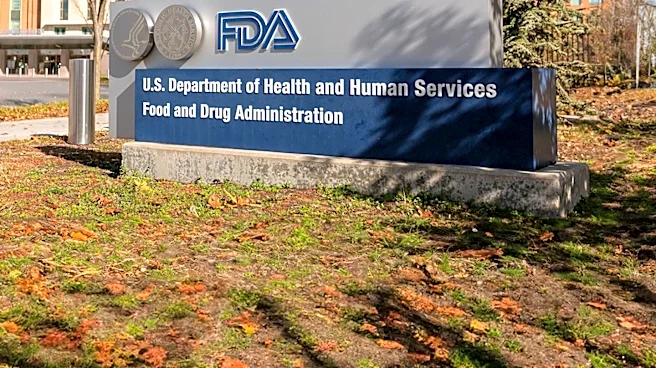
United Services provides Medication-Assisted Treatment (MAT) programs that combine FDA-approved medications with counseling and behavioral therapies to support individuals recovering from opioid and other substance use disorders, including alcohol and tobacco.
The organization emphasizes a person-centered approach, recognizing addiction as a treatable health condition. Their services are designed to meet individuals at any stage of recovery, from questioning their relationship with substances to actively seeking treatment or maintaining long-term recovery. The MAT program includes medical assessment, ongoing monitoring, FDA-approved medications for opioid use disorder, individual and group counseling, integrated mental health treatment, recovery planning, relapse prevention, and care coordination. These services are accessible to adults regardless of their ability to pay, and they also offer peer recovery support from individuals with lived experience.
Why It's Important?
The availability of comprehensive MAT programs like those offered by United Services is critical in addressing the ongoing substance use crisis in the U.S. Research indicates that MAT significantly reduces overdose risk, improves treatment retention, and supports long-term recovery. By combining medication with counseling and behavioral therapies, these programs address both the physical and psychological aspects of addiction, offering a more holistic and effective path to recovery. The accessibility of these services, regardless of ability to pay, is vital for underserved communities and individuals who might otherwise face barriers to treatment. The inclusion of peer recovery support further strengthens the program by providing relatable guidance and reducing feelings of isolation, which are common challenges in recovery journeys. This approach helps individuals stabilize their lives and contributes to broader public health efforts to combat addiction.
What's Next?
United Services continues to offer and expand its addiction recovery services, with access available through referral or self-referral. The organization's team guides individuals through an intake process to determine the most appropriate level of care. The ongoing emphasis on individualized, recovery-focused treatment plans suggests a sustained commitment to adapting services to meet evolving patient needs. As the understanding of addiction and effective treatment modalities advances, United Services will likely integrate new evidence-based practices. The continued provision of accessible and comprehensive MAT programs will be essential for supporting individuals in recovery and mitigating the societal impact of substance use disorders across the U.S.
Beyond the Headlines
The model adopted by United Services, integrating FDA-approved medications with counseling and peer support, reflects a paradigm shift in addiction treatment from punitive approaches to a public health model. This comprehensive strategy acknowledges addiction as a chronic disease requiring multifaceted intervention, rather than a moral failing. The emphasis on 'meeting people where they are' and providing services regardless of ability to pay highlights a commitment to health equity and reducing disparities in access to care. This approach not only aids individual recovery but also contributes to destigmatizing addiction, fostering a more compassionate and effective societal response. The success of such programs can inform national policy and funding decisions, advocating for broader implementation of integrated, accessible, and person-centered addiction treatment services.