





What's Happening?
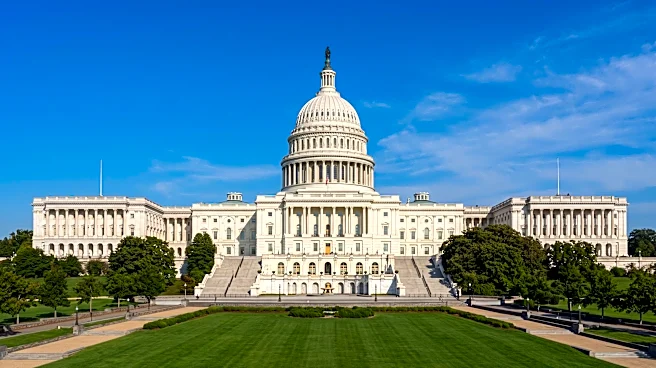
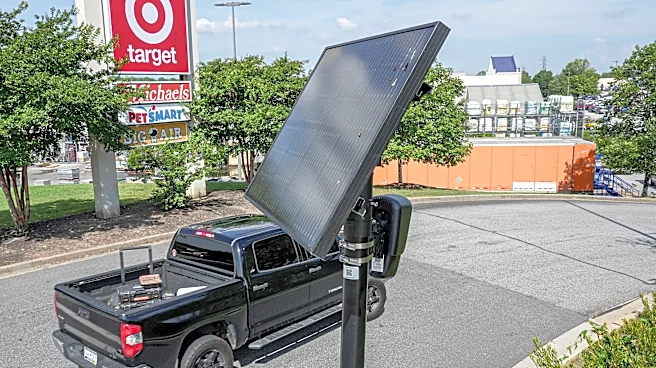
U.S. Congressman Russ Fulcher (Idaho-01) has co-sponsored H.R. 9716, known as the Protecting Rights in Video and Equipment Acquired Discovery (PRIVACY) Act. This legislation aims to safeguard the privacy rights of Americans by mandating that federal law
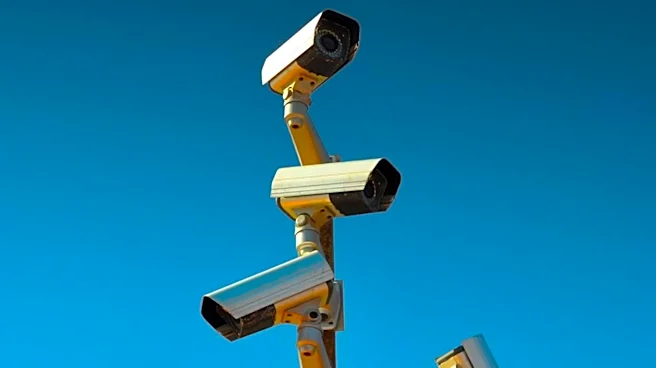
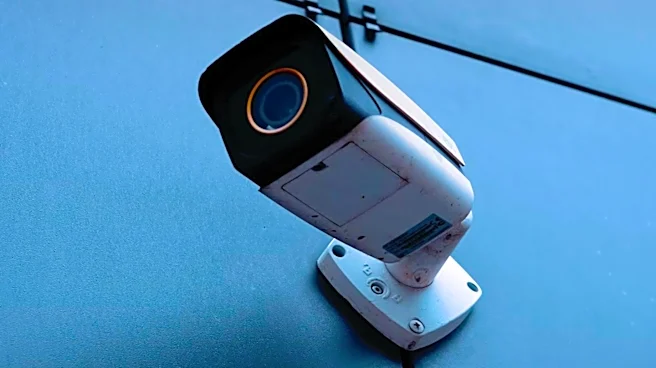
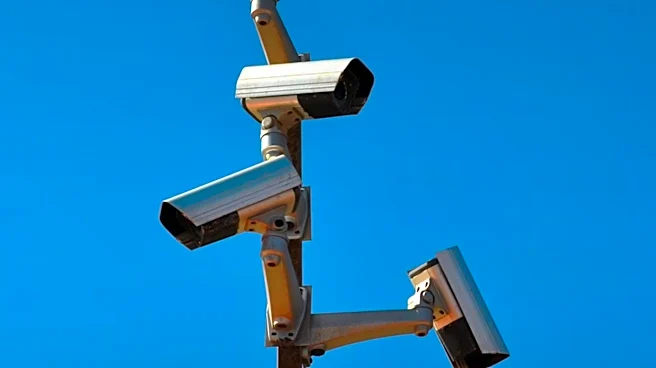
enforcement agencies obtain a warrant from a Federal judge before accessing surveillance data collected by state and local systems. The bill specifically targets intrusive technologies such as automated license plate readers (ALPRs), cameras capturing vehicle occupants, long-range microphones, and electronic fingerprint detection technology. Congressman Fulcher emphasized that if the federal government seeks to access data from state and local systems concerning citizens, a warrant should be a prerequisite. The PRIVACY Act also includes provisions to limit the retention of data obtained under a warrant to 30 days, unless it is evidence in a prosecution or a court grants an extension. Furthermore, it prohibits the use of federal funds for the purchase or installation of such intrusive technologies, with certain exceptions.
Why It's Important?
This legislation is important because it addresses growing concerns about government surveillance and individual privacy rights in the digital age. The increasing deployment of advanced surveillance technologies by state and local entities, often with federal funding, has raised questions about the extent of data collection on citizens and the ease with which federal agencies can access this information. By requiring a judicial warrant, the PRIVACY Act seeks to establish a higher legal threshold for federal access, aligning with Fourth Amendment protections against unreasonable searches and seizures. This could significantly impact how law enforcement operates, potentially leading to more stringent oversight and accountability in data acquisition. For citizens, it offers a stronger legal defense against potential overreach in surveillance, ensuring that their data is not indiscriminately accessed. The bill also aims to prevent the widespread adoption of these technologies through federal funding without adequate privacy safeguards, influencing future policy and technology procurement at both federal and local levels.
What's Next?
The PRIVACY Act, H.R. 9716, will proceed through the legislative process in the U.S. Congress. Its future will depend on gaining further support from lawmakers, committee reviews, and potential amendments. If passed, it would establish new legal requirements for federal law enforcement regarding surveillance data access, necessitating adjustments in their operational procedures and data handling protocols. State and local agencies that utilize the specified intrusive technologies would also need to adapt, as federal funding for such tools would be contingent on compliance with the new warrant requirements. The bill's progress will likely involve debates on national security interests versus individual privacy rights, and its eventual implementation could set a precedent for how emerging surveillance technologies are regulated across the country. Stakeholders, including civil liberties advocates, law enforcement organizations, and technology providers, will closely monitor its development and potential impact.
Beyond the Headlines
The PRIVACY Act delves into the fundamental tension between national security and individual liberties, particularly in an era of rapidly advancing surveillance technology. Beyond the immediate legal implications, this bill highlights a broader societal discussion about the 'right to be let alone' in a technologically interconnected world. The ethical dimension questions the appropriate balance between collective safety and personal freedom, especially when technology allows for pervasive monitoring. Culturally, it reflects a growing public demand for transparency and accountability from government agencies regarding data collection practices. If enacted, it could foster a more cautious approach to the adoption of surveillance tools, encouraging innovation that prioritizes privacy by design. This legislative effort could also influence international standards for data protection, as the U.S. grapples with defining the boundaries of digital privacy in a global context, potentially setting a benchmark for other nations facing similar challenges.