





What's Happening?
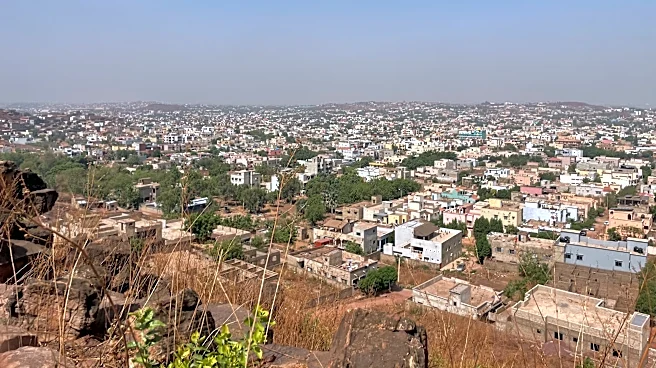
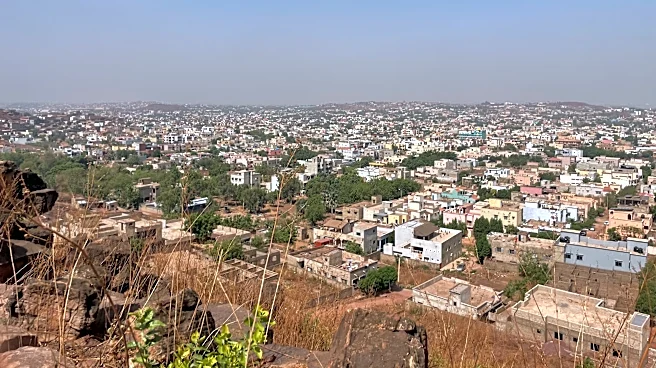
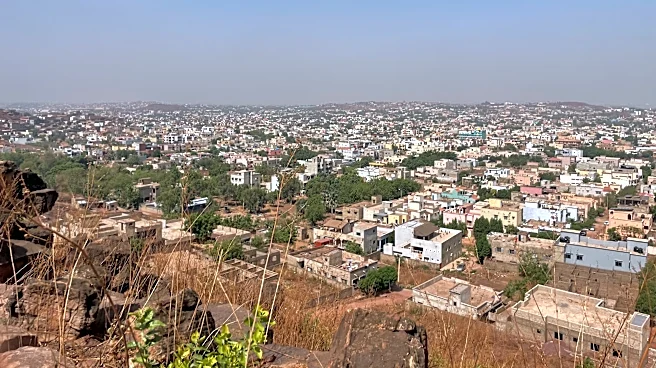
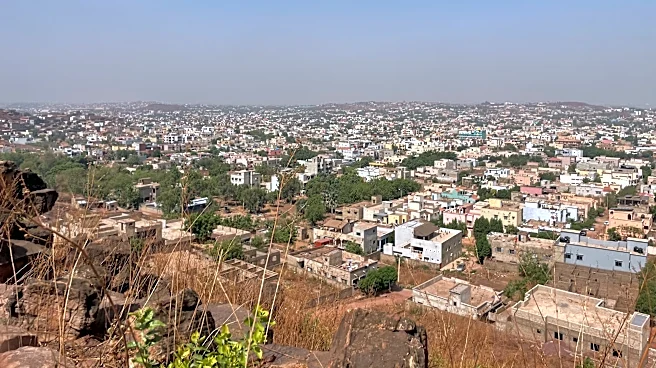
Islamic militants and separatists have launched a series of coordinated attacks across Mali, including in the capital, Bamako. The attacks, claimed by the al-Qaida-linked group JNIM and the Azawad Liberation Front, targeted several locations, including Bamako's
international airport and military barracks. The Malian government reported that 16 people were wounded, including both civilians and military personnel, and several militants were killed. The attacks represent one of the largest coordinated assaults in Mali in recent years, with gunfire and explosions reported in multiple cities. The U.S. Embassy in Bamako issued a security alert, advising U.S. citizens to shelter in place. A curfew has been imposed in Bamako following the attacks.
Why It's Important?
The attacks highlight the ongoing instability and security challenges in Mali, a country that has faced insurgencies from both Islamic militants and separatist groups. The coordination between JNIM and the Azawad Liberation Front is particularly concerning, as it suggests a potential strengthening of alliances between jihadist and separatist forces. This development could further destabilize the region and complicate efforts to restore peace and security. The situation also underscores the challenges faced by the Malian government and its military, which have been struggling to contain such threats despite international support and intervention.
What's Next?
In response to the attacks, the Malian government is likely to increase security measures and military operations to regain control of affected areas. The international community, including regional and global powers, may also consider additional support or intervention to assist Mali in addressing the security crisis. The situation could lead to further displacement of civilians and exacerbate humanitarian needs in the region. Monitoring the response of the Malian government and its allies will be crucial in assessing the potential for stabilization or further conflict.