






What's Happening?
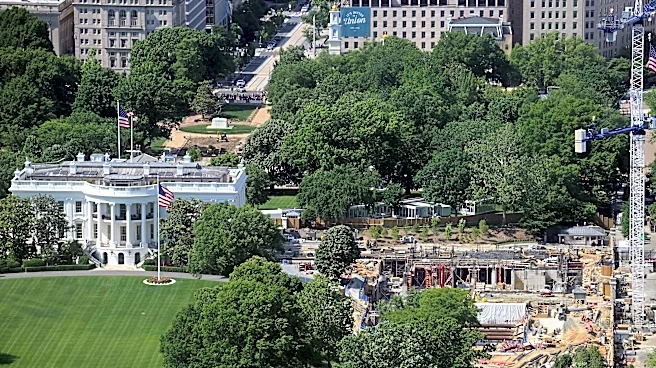
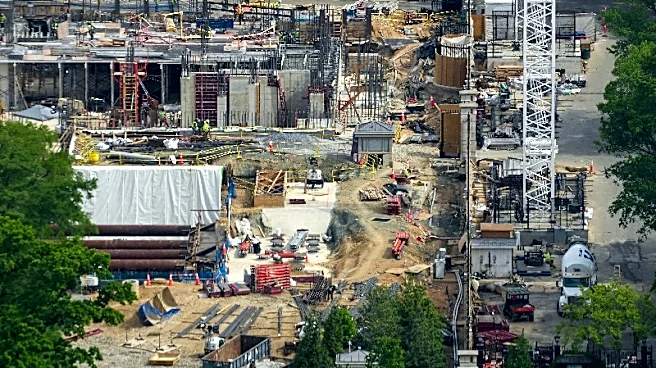
President Donald Trump's initiative to secure taxpayer-funded security upgrades for a proposed White House ballroom has encountered a setback. The Senate parliamentarian ruled that a $1 billion Secret Service provision could not be included in a GOP immigration
enforcement bill as it was drafted. This decision requires Senate Republicans to revise the language of the bill to retain the funding within the budget reconciliation process. The provision, which includes $220 million for security upgrades related to the East Wing ballroom project, was deemed outside the jurisdiction of the Senate Judiciary Committee. The White House and Senate Republicans argue that the funding is for Secret Service security measures, not direct construction costs for the ballroom. The push for these security measures follows an attempted shooting at the White House Correspondents' Association dinner in April.
Why It's Important?
The parliamentarian's ruling presents a significant challenge for Senate Republicans, who are attempting to pass a broader immigration enforcement package. This package includes approximately $72 billion for border and immigration agencies. The use of the budget reconciliation process allows the GOP to bypass the Senate's 60-vote filibuster threshold, enabling passage with a simple majority. However, the ruling necessitates revisions to the bill, complicating efforts to pass it swiftly. Democrats have criticized the funding as taxpayer support for President Trump's ballroom project, indicating potential political contention. The outcome of this legislative effort could impact the allocation of federal resources and the balance of power in immigration policy.
What's Next?
Senate Republicans are expected to redraft and resubmit the provision to comply with the parliamentarian's ruling. The GOP aims to pass the immigration package and send it back to the House before an upcoming recess. Democrats, led by Senate Minority Leader Chuck Schumer, have vowed to challenge any changes that appear to favor President Trump's interests. The ongoing negotiations and revisions will likely influence the legislative agenda and the political landscape, particularly regarding immigration and federal spending priorities.