





What's Happening?
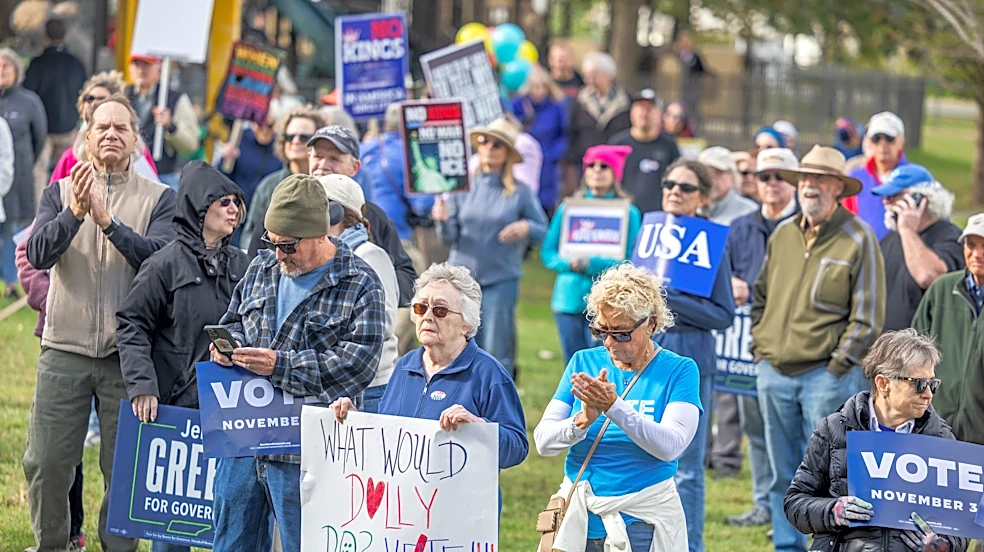
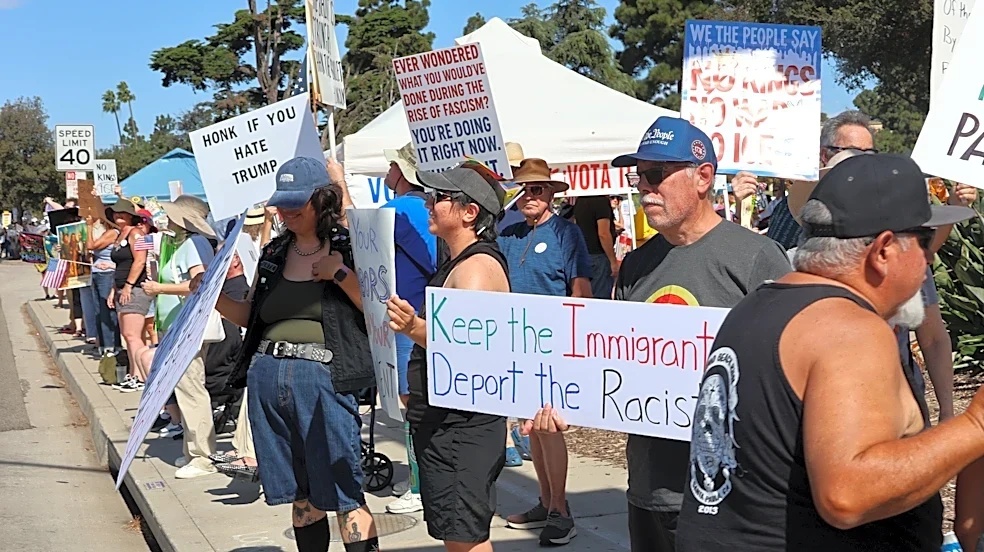
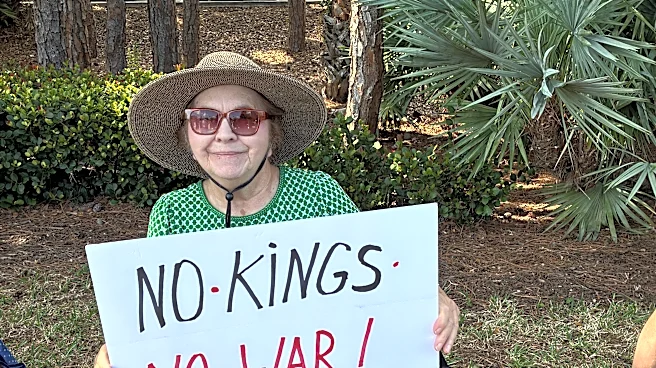
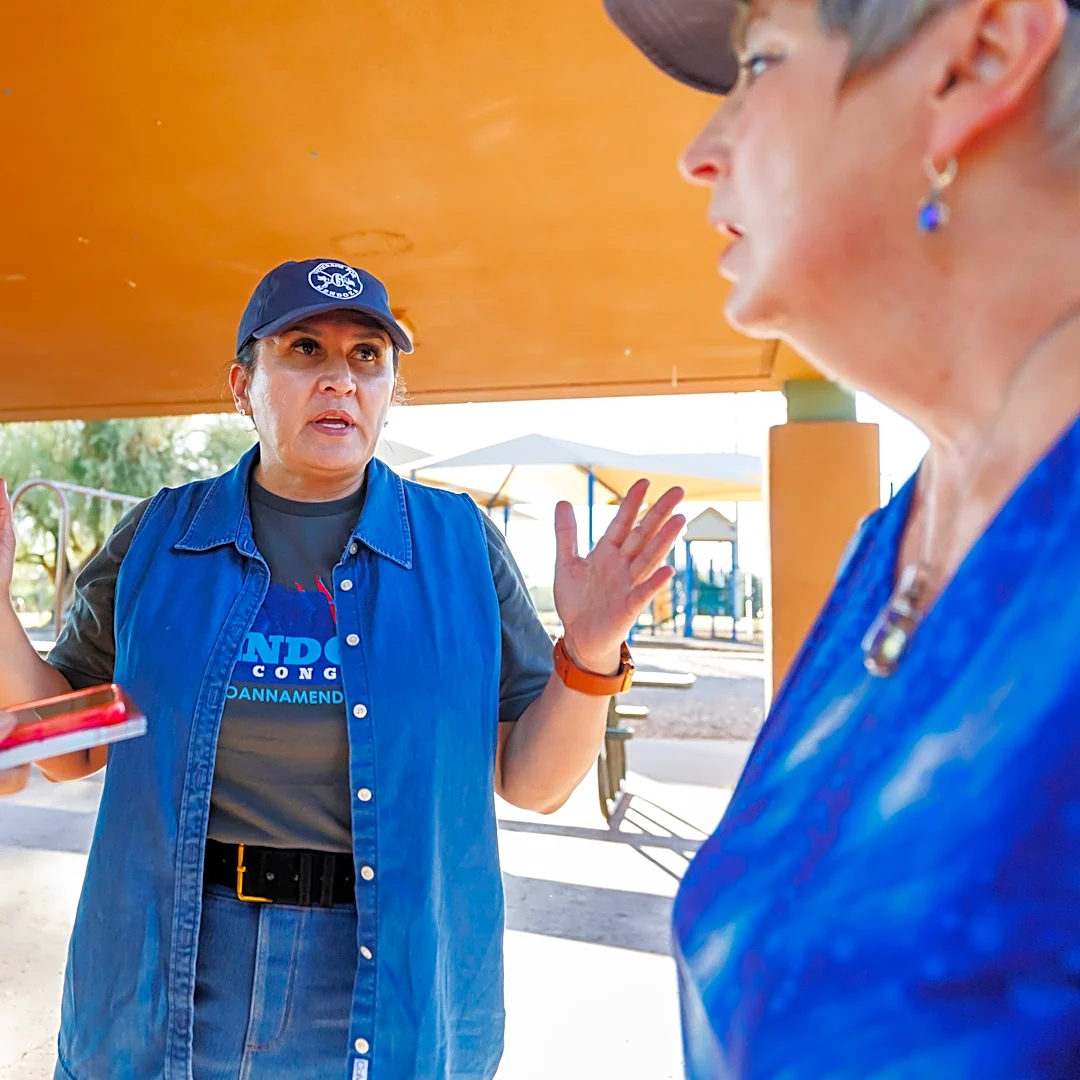
The 'No Kings Day of Action' in Des Moines, Iowa, saw various organizations and volunteers focusing on voter mobilization rather than traditional protests. Unlike previous years that featured large rallies, the event on Saturday afternoon in Windsor Heights'
Colby Park involved smaller groups engaged in door-knocking and canvassing. Marie Herring, an organizer with Indivisible 515, stated that the goal was to get out the vote in Iowa, emphasizing direct engagement and one-on-one conversations with potential voters. Participants met at the park before fanning out to encourage Iowans to register and vote early. The effort was described as nonpartisan, with over 200 sign-ups for door-knocking activities. Additionally, some volunteers participated in 'overpass activism,' displaying signage on pedestrian bridges along I-235 to encourage voting. Brenda Double, a Des Moines resident, highlighted the importance of voting as an 'American issue' and expressed concerns about the state of democracy.
Why It's Important?
This shift in strategy for the 'No Kings Day of Action' from large-scale protests to direct voter mobilization underscores a critical evolution in grassroots political engagement. By focusing on door-knocking, canvassing, and providing voter information, these organizations are directly addressing potential barriers to participation, such as lack of awareness about early voting options or registration requirements. This approach is particularly significant in a state like Iowa, which often plays a pivotal role in national elections. The emphasis on nonpartisan voter engagement aims to strengthen democratic processes by ensuring more citizens are informed and empowered to cast their ballots. The concerns raised by volunteers like Brenda Double about the state of democracy and international relations highlight a broader sentiment among some citizens regarding the urgency of civic participation. This localized effort contributes to the larger national 'No Kings' movement, which seeks to mobilize voters across the country, potentially influencing election outcomes by increasing turnout and informed voting.
What's Next?
Following the 'No Kings Day of Action,' the immediate next steps will likely involve continued efforts by these and similar organizations to sustain voter engagement leading up to the November 3 midterm elections. The focus will remain on providing accessible information about voting procedures, including early voting and provisional ballots, and encouraging citizens to make concrete plans for casting their votes. Advocacy groups like Iowa Citizens for Community Improvement, One Iowa, and nonpartisan voter registration groups will likely continue their outreach, potentially through similar community events, online campaigns, and direct communication. The success of this voter mobilization strategy will be measured by voter turnout and the level of informed participation in the upcoming elections. The broader 'No Kings' national movement will continue its activism across all 50 states and Washington, D.C., suggesting a sustained push for civic engagement and democratic participation leading into future election cycles.
Beyond the Headlines
The 'No Kings Day of Action' in Des Moines reflects a deeper trend in American political activism: a move towards highly localized, direct, and sustained voter engagement. While large rallies generate media attention, the quiet work of door-knocking and one-on-one conversations can be more effective in building trust and addressing individual voter concerns. This approach also highlights the increasing decentralization of political organizing, with 'neighbors coming together' rather than relying solely on established political parties or large organizations. The concerns expressed by volunteers about the erosion of democracy and the country's standing on the global stage underscore a profound sense of civic responsibility and urgency. This grassroots activism, often driven by a desire to 'fight for our democracy,' suggests a resilient and adaptable civil society actively working to shape the political landscape from the ground up, potentially fostering a more informed and engaged electorate in the long term.