






What's Happening?
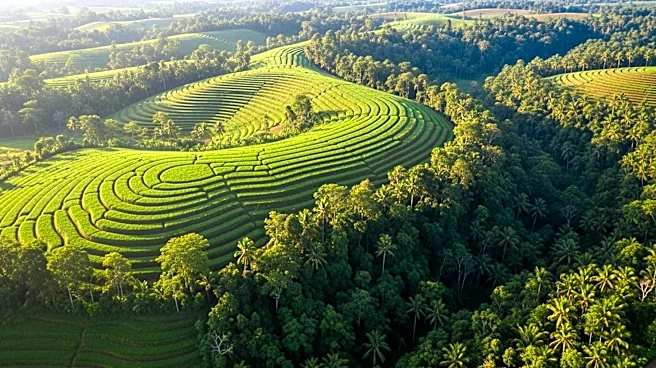
Indonesia's Forestry Ministry has announced its commitment to advancing sustainable agriculture to achieve food self-sufficiency. Deputy Forestry Minister Rohmat Marzuki emphasized the importance of optimizing land use, particularly in non-forested areas,
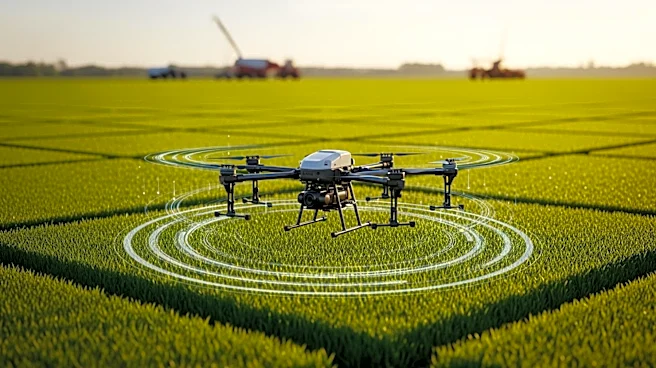
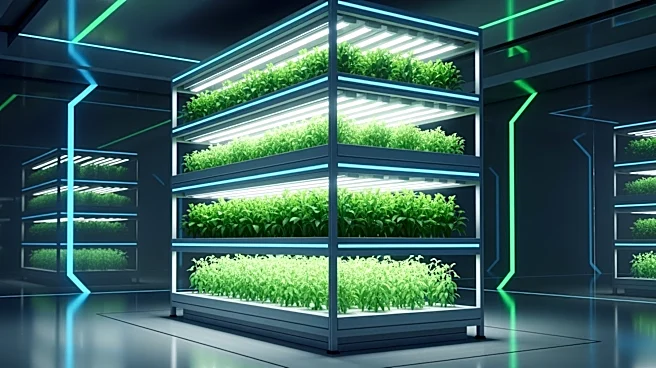
to support agricultural development. This initiative is part of a broader strategy to integrate technology, human resources, and global partnerships to transform agriculture in the Lake Toba Region. The National Economic Council, chaired by Luhut Binsar Pandjaitan, recently held a meeting focusing on AI-based agricultural development, highlighting the role of technology in enhancing productivity and efficiency. The ministry aims to use AI for real-time data collection and analysis to improve policy-making and ensure stable food commodity supplies and prices.
Why It's Important?
The initiative by Indonesia's Forestry Ministry is significant as it addresses the critical issue of food security, a growing concern globally due to climate change and population growth. By focusing on sustainable agriculture and leveraging technology, Indonesia aims to increase agricultural productivity and efficiency, which could serve as a model for other nations facing similar challenges. The integration of AI in agriculture could lead to more informed decision-making and better resource management, potentially stabilizing food prices and supplies. This approach not only supports economic growth but also promotes environmental sustainability, aligning with global efforts to combat climate change.
What's Next?
The Indonesian government plans to continue its cross-ministerial collaboration to develop the Lake Toba Region as a model for modern agriculture. This includes further integration of AI and other technologies to enhance agricultural practices. The success of this initiative could lead to its expansion to other regions, potentially transforming Indonesia's agricultural landscape. Stakeholders, including local farmers and international partners, are expected to play a crucial role in this transformation, contributing to the country's long-term food security goals.