









What's Happening?
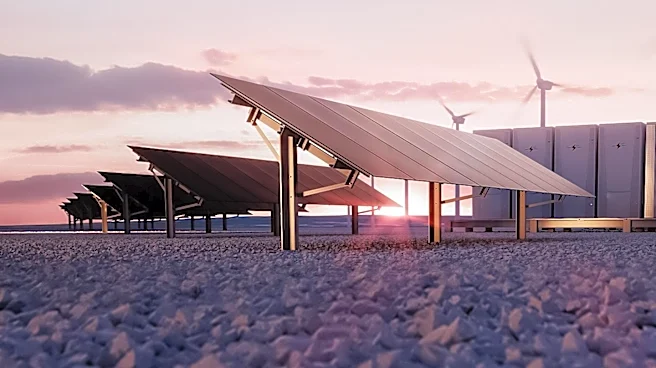
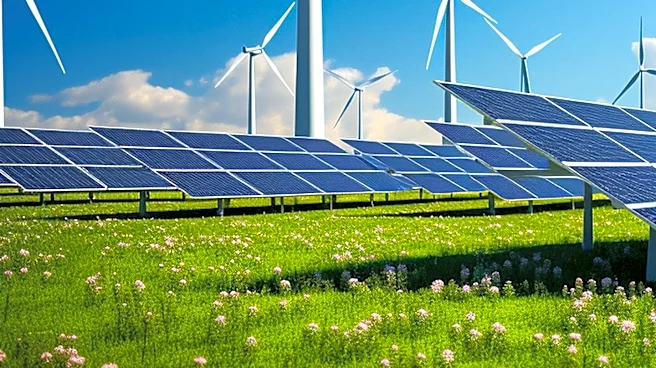
In Michigan, a renewable energy developer, Ranger Power, is planning to install solar arrays around Jake Kerby's home. This development is part of a broader trend influenced by Public Act 233, a state law that restricts local governments' ability to reject
large-scale renewable energy projects, including solar, wind, and battery storage. The law, passed three years ago, aims to facilitate the state's transition from fossil fuels to cleaner energy sources. As a result, communities are navigating their options and responses to these projects, which are seen as inevitable by some residents like Kerby. The situation highlights ongoing debates about local versus state control in energy development.
Why It's Important?
The implementation of Public Act 233 is significant as it underscores the tension between state-level energy policy and local governance. By limiting local authorities' power to block renewable energy projects, the law accelerates Michigan's shift towards sustainable energy, aligning with broader environmental goals. However, it also raises concerns about local autonomy and the ability of communities to influence developments that directly affect them. This dynamic could impact public sentiment towards renewable energy initiatives and influence future legislative actions. The law's effects on local economies, property values, and community landscapes are also critical considerations.
What's Next?
As Michigan continues to pursue its renewable energy goals, local governments and residents will need to adapt to the constraints imposed by Public Act 233. This may involve negotiating with developers to address community concerns or seeking amendments to the law to balance state objectives with local interests. The ongoing dialogue between state officials, developers, and communities will shape the future of renewable energy projects in Michigan. Additionally, the state's approach could serve as a model or cautionary tale for other regions grappling with similar issues.