



What's Happening?
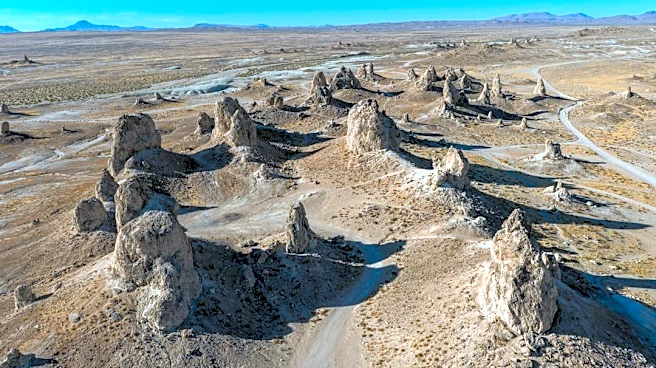
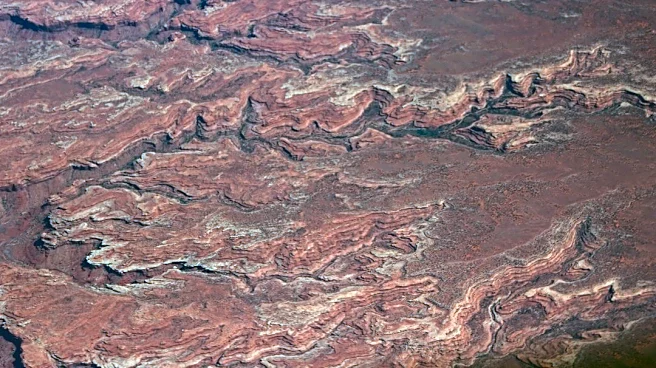
Two renowned rock formations in northwestern New Mexico, the Alien Throne (Tsé Bináká Níyol) and the King of Wings, have collapsed within weeks of each other. These natural landmarks, located near the Ah-Shi-Sle-Pah Wilderness, succumbed to the forces
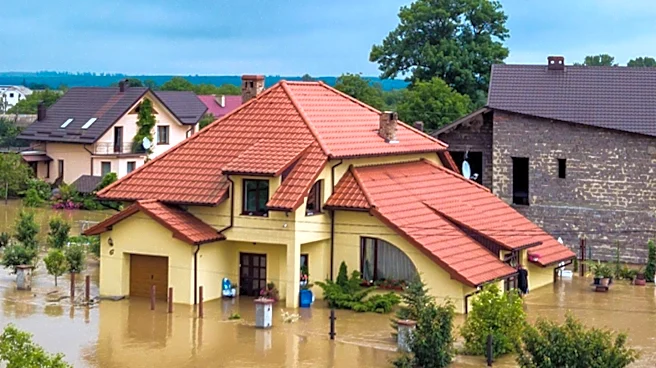
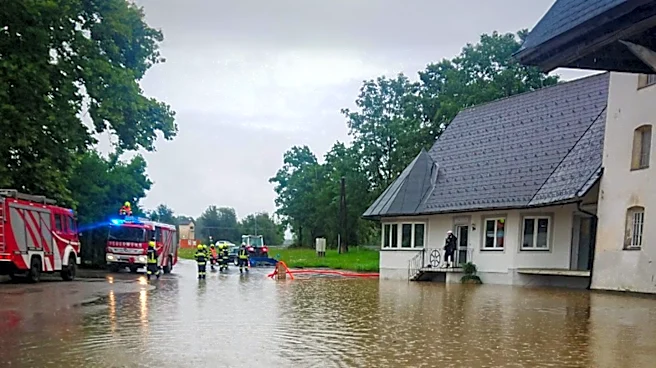
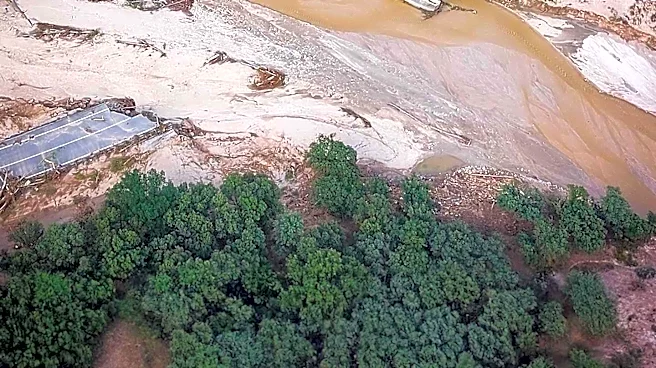
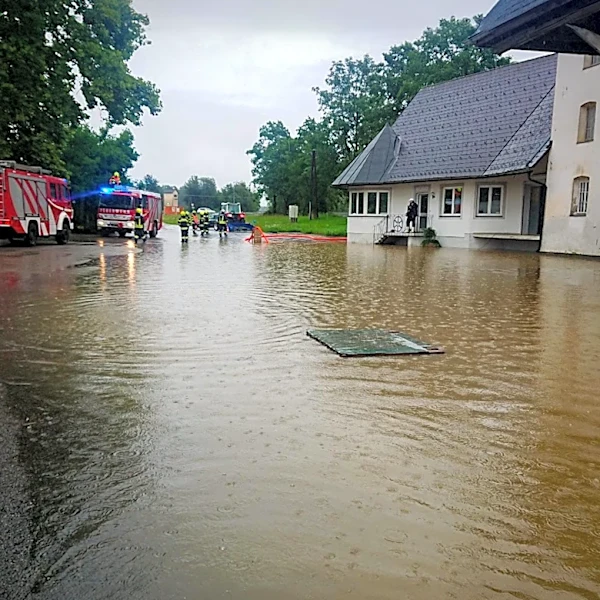
of nature, specifically heavy rains and erosion. Tour guide Kialo Winters of Navajo Tours USA discovered the collapse of the Alien Throne on October 30, noting that poor road conditions had prevented earlier visits. The King of Wings' demise was reported earlier in October through social media. The southwestern U.S. has experienced significant storm activity recently, with substantial rainfall leading to widespread flooding and erosion across New Mexico, Colorado, Utah, and Arizona. Experts estimate that over 20 trillion gallons of rain fell across the Four Corners states and Nevada in late October and early November, contributing to the saturation of soil and the erosion of the landscape.
Why It's Important?
The collapse of these formations represents a significant loss of natural heritage and a tangible impact of severe weather events on the U.S. landscape. For the Navajo Nation and other Native American communities in the region, these formations are more than geological wonders; they are culturally significant waypoints that have guided ancestors for millennia and are integral to their oral traditions and identity. The destruction highlights the fragility of natural landmarks in the face of increasingly intense weather patterns, which some attribute to broader climate trends. The economic impact of the recent storms in the Southwest is estimated to be in the hundreds of millions of dollars, affecting infrastructure and communities. This event underscores the need for awareness regarding environmental changes and their potential to alter natural landscapes that hold both ecological and cultural value.
What's Next?
In the immediate future, the focus will likely remain on recovery and cleanup efforts across the storm-affected regions of the Southwest, as floodwaters recede and damage assessments continue. For the sites of the collapsed formations, calls have been made to allow them to 'rest,' discouraging climbing on the remnants and the removal of any pieces. This emphasizes a desire for respectful treatment of the sites following their natural transformation. Conservationists and local communities may increase monitoring of other vulnerable natural formations in the region, considering the potential for similar collapses due to ongoing erosion and weather events. Discussions about the long-term effects of climate change on geological features and cultural sites in the U.S. are also likely to continue, potentially influencing land management and preservation strategies.
Beyond the Headlines
The collapse of the Alien Throne and King of Wings extends beyond a simple geological event, touching upon themes of cultural preservation, environmental change, and the transient nature of natural wonders. For Native American communities, the loss of these formations is a loss of tangible links to their ancestral past and cultural narratives, prompting reflection on how such heritage can be preserved in other forms, such as through stories and photographs. The event also serves as a stark reminder of the dynamic processes shaping our planet, illustrating that even seemingly permanent natural structures are subject to change over time, a process that may be accelerated by human-induced climate shifts. This incident could spark broader conversations about the ethical responsibilities of visitors to natural sites and the balance between public access and preservation, especially for remote and fragile landscapes.