






What's Happening?
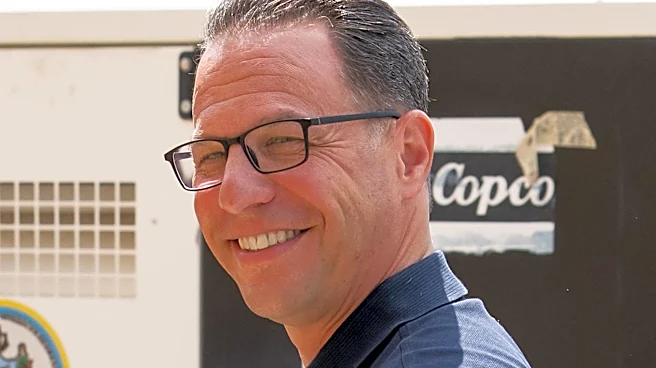
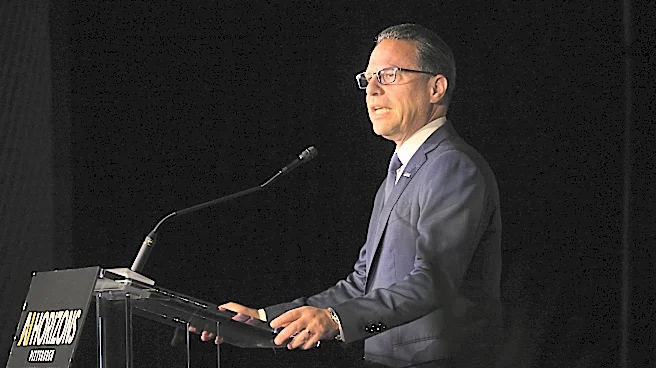
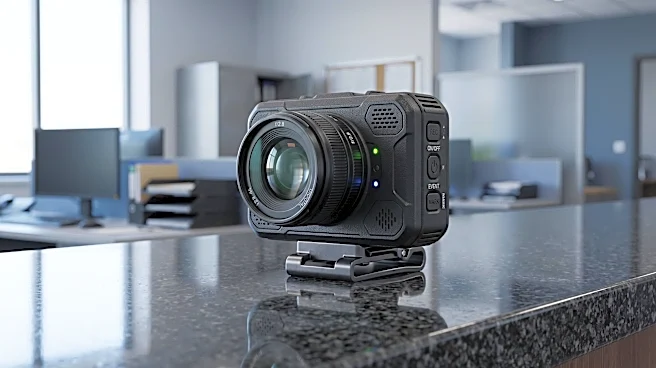
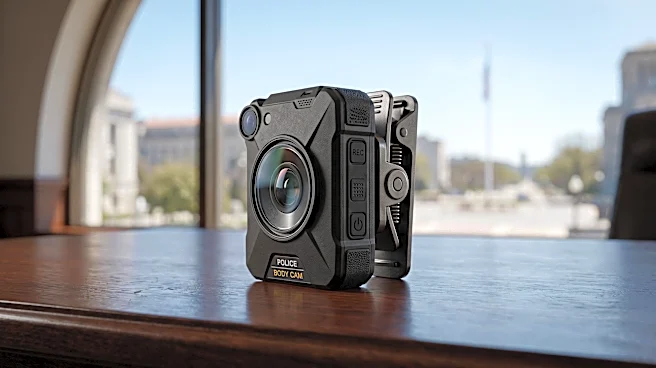
Governor Josh Shapiro has signed Act 81 of 2026 into law, which amends Pennsylvania's Wiretap Act to permit county probation officers to wear body cameras while on duty. The legislation, introduced by Rep. Ryan Bizzarro (D-Erie), received bipartisan support
in both the state House and Senate. A ceremonial bill signing was held in Harrisburg to mark the new law. This change was championed by Bizzarro and advocates in Erie following the fatal shooting of Marchello Woodard by a state parole officer who was not wearing a body camera during a compliance check. While state parole officers were already permitted to wear body cameras, this new law extends the provision to county probation officers, aiming to enhance safety, accountability, and transparency for both the community and law enforcement.
Why It's Important?
The implementation of Act 81 of 2026 is a significant step towards increasing transparency and accountability within Pennsylvania's criminal justice system. By allowing county probation officers to wear body cameras, the law provides an additional layer of security for both officers and the individuals they interact with. This can help de-escalate tense situations, provide objective evidence in cases of dispute or alleged misconduct, and improve public trust in law enforcement. The bipartisan support for this bill highlights a shared recognition of the benefits of body camera technology in promoting fairness and justice. The law's passage reflects a broader national trend towards greater oversight and documentation of interactions between law enforcement and the public, potentially reducing incidents of excessive force and increasing public confidence in the legal process.
Beyond the Headlines
The new law, Act 81 of 2026, while addressing immediate concerns about accountability and safety, also touches upon deeper ethical and legal considerations. The use of body cameras by probation officers raises questions about privacy rights for individuals under supervision, the storage and access of recorded footage, and the potential for such recordings to be used in court. While the law aims to increase transparency, the specific protocols for camera activation, data retention, and public access to footage will be crucial in determining its long-term impact. The incident that spurred this legislation—the fatal shooting of Marchello Woodard—underscores the critical need for objective evidence in such encounters and the potential for body cameras to provide a more complete and unbiased record of events. This development could also influence future legislative efforts regarding surveillance and privacy in other areas of law enforcement.