








What's Happening?
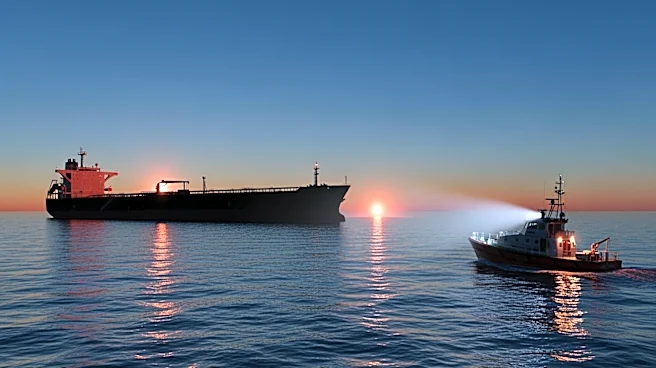
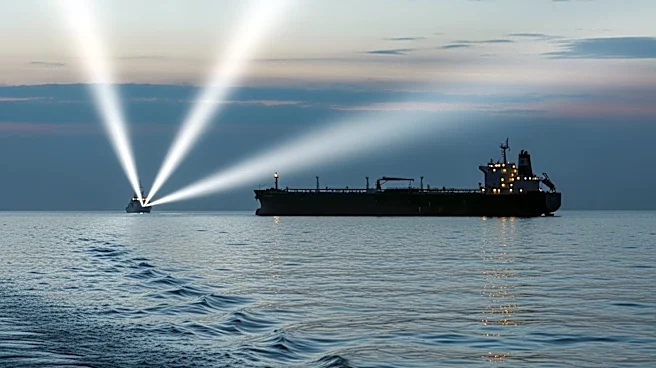
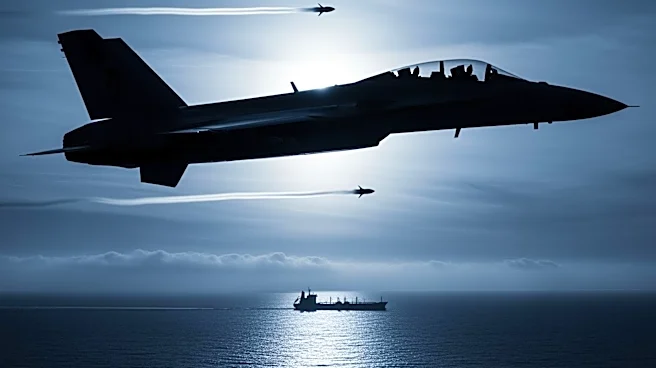
A US F/A-18 Super Hornet fighter jet disabled an oil tanker in the Gulf of Oman after it attempted to breach a Navy blockade against Iranian ports. The Palau-flagged M/T Marivex was targeted by the jet from the USS Abraham Lincoln after failing to comply
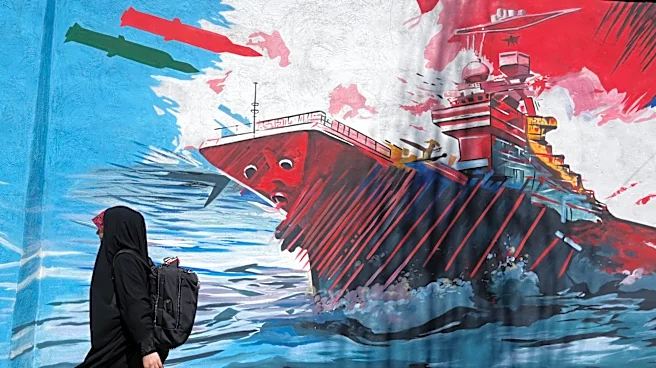
with US forces' directions. This incident marks the seventh ship disabled by the US military since the blockade began on April 13. The blockade is a response to Iran's closure of the Strait of Hormuz, a critical passage for global oil transport. The US has intercepted 134 ships, allowing 42 to pass for humanitarian aid.
Why It's Important?
The blockade and subsequent military actions underscore the heightened tensions between the US and Iran, impacting global oil markets. The Strait of Hormuz is a vital route for oil, and its closure affects 20% of the world's oil transport. The US's firm stance against Iran's toll system proposal for the strait reflects broader geopolitical strategies and economic interests. The situation could lead to increased oil prices and affect international relations, particularly with countries reliant on oil passing through the strait.
What's Next?
The ongoing blockade and military actions may lead to further diplomatic tensions between the US and Iran. The international community, especially oil-dependent nations, will likely monitor the situation closely. Potential negotiations or escalations could arise, depending on Iran's response and the US's strategic decisions. The involvement of Oman, a US ally, in the toll system proposal adds complexity to the diplomatic landscape.