





What's Happening?
Senior Iranian officials have arrived in Islamabad, Pakistan, for ceasefire talks with the United States as violence continues across the region. The Iranian delegation, led by parliamentary speaker Mohammad Bagher Ghalibaf and Foreign Minister Abbas
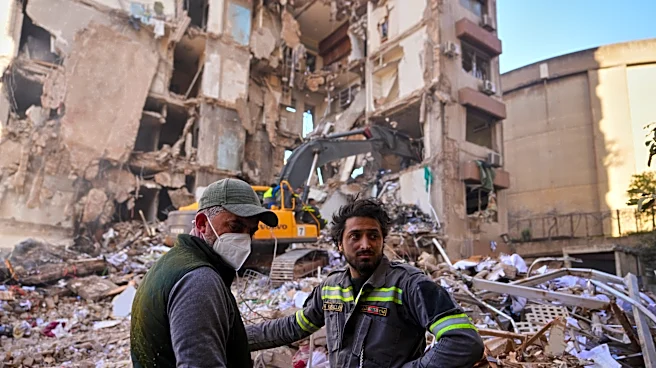
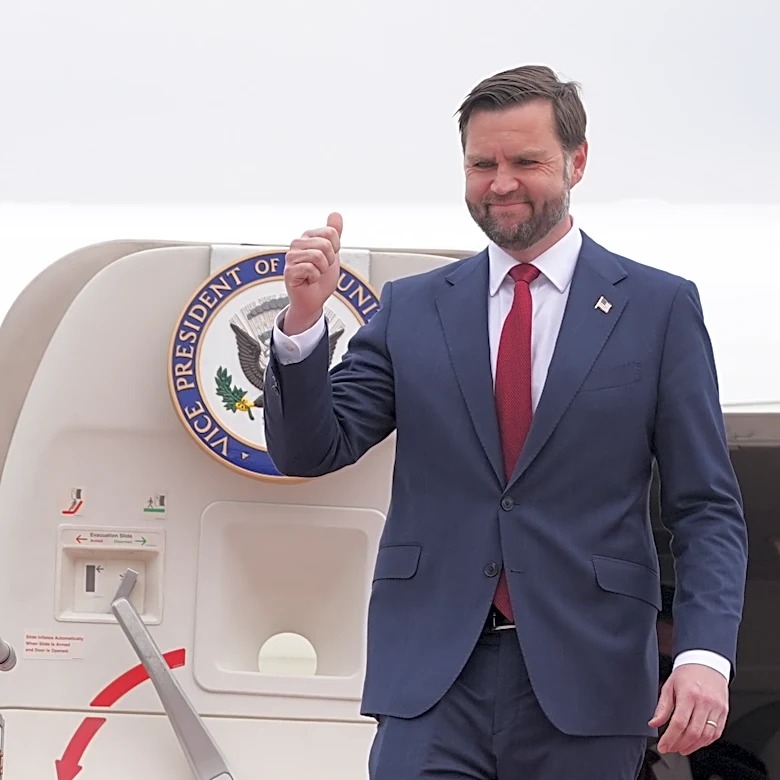
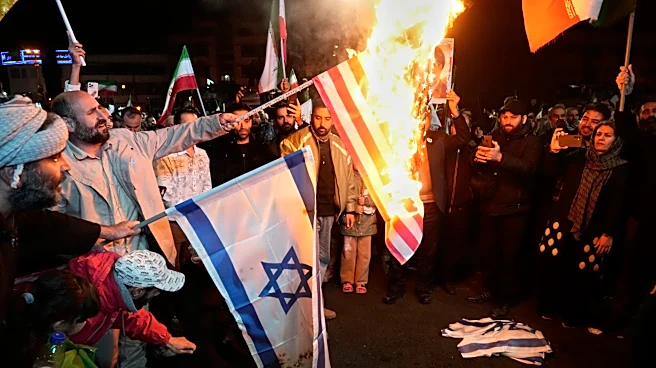
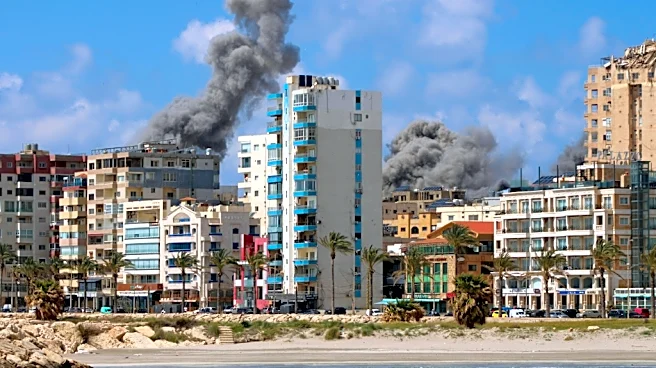
Araghchi, is meeting with US representatives including Vice President JD Vance, special envoy Steve Witkoff, and Jared Kushner. The talks aim to address escalating tensions and seek a diplomatic resolution. Despite the negotiations, the situation remains volatile, with ongoing military actions in Lebanon and Gaza. The US has expressed a willingness to negotiate in good faith, while Iran demands a truce in Lebanon and the release of blocked assets. President Trump has stated that the US is prepared to reopen the Strait of Hormuz, a critical passage for global energy supplies, with or without Iran's cooperation.
Why It's Important?
The ceasefire talks between the US and Iran are crucial as they could potentially de-escalate a conflict that has significant implications for global energy markets and regional stability. The Strait of Hormuz is a vital chokepoint for oil transportation, and its closure has disrupted global energy supplies, contributing to economic pressures. A successful negotiation could lead to the reopening of the strait, easing economic tensions and stabilizing oil prices. Additionally, the talks could pave the way for broader diplomatic engagement, reducing the risk of further military escalation. However, the ongoing violence in Lebanon and Gaza highlights the complexity of the situation and the challenges in achieving a comprehensive peace agreement.
What's Next?
The outcome of the ceasefire talks remains uncertain, with both sides holding firm positions. The US is likely to push for a quick resolution to ease economic pressures, while Iran seeks concessions such as the release of blocked assets. The current US-Iran ceasefire is set to expire on April 21, adding urgency to the negotiations. Meanwhile, the US has reportedly asked Israel to pause its military operations in Lebanon to avoid derailing the talks. The international community will be closely watching the developments, as the success or failure of these talks could have far-reaching implications for regional stability and global energy markets.