




What's Happening?
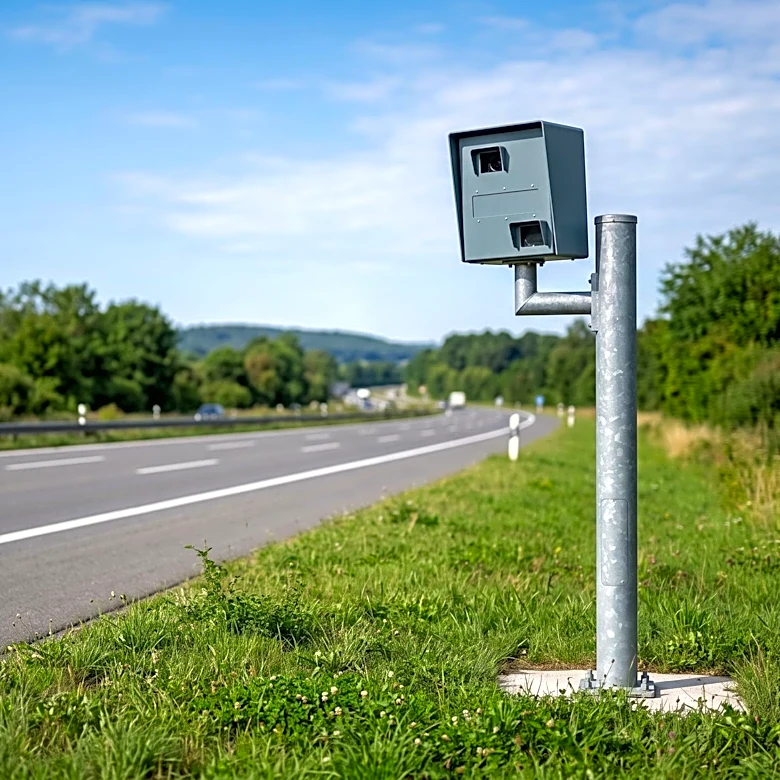
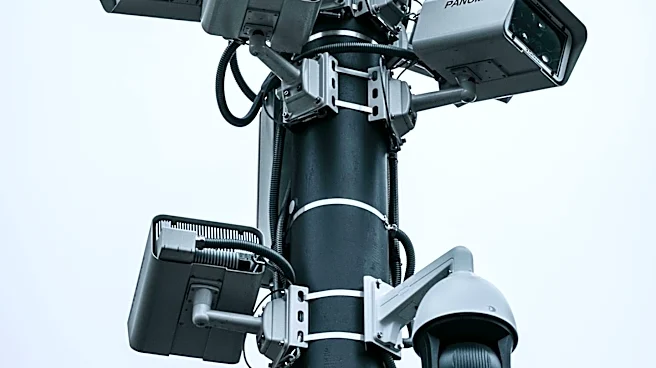
Pinellas County Sheriff Bob Gualtieri is publicly defending the use of Flock cameras, also known as automated license plate readers (ALPRs), despite a state order for their removal from state roads within the month. Some agencies in the Tampa Bay area
are discontinuing their use of these devices entirely. Sheriff Gualtieri stated that his agency has utilized ALPRs for two decades and clarified that the 73 Flock cameras in Pinellas County only capture still photographs when a car passes, not continuous video or surveillance. He emphasized that these cameras have been instrumental in solving cases involving abducted children and vehicle thefts. The Florida Department of Transportation (FDOT) issued the removal order due to concerns about an 'exponential increase in deployments coupled with concerning reports of misuse, data privacy concerns and surveillance schemes.'
Why It's Important?
This situation highlights a significant conflict between law enforcement's perceived need for surveillance technology and public concerns over privacy and potential misuse. For U.S. society, the debate over ALPRs touches upon fundamental rights to privacy versus the imperative for public safety. The state's order reflects a growing apprehension about the unchecked expansion of surveillance technologies and their implications for civil liberties. Conversely, Sheriff Gualtieri's defense underscores the utility of these tools in criminal investigations, suggesting that their removal could hinder law enforcement efforts to solve serious crimes. This issue is critical for public policy, as it necessitates a balance between technological advancements for security and the protection of individual freedoms, potentially leading to new regulations or legal challenges regarding data collection and usage by government agencies.
What's Next?
Pinellas Commissioner Vince Nowicki plans to propose a resolution at next week's commission meeting to end county contracts with all ALPR providers. This resolution would lead to the removal of cameras from county roads and rights-of-way and recommend that municipal police departments follow suit. The outcome of this commission meeting will be crucial in determining the future of ALPRs in Pinellas County. Depending on the decision, other counties and municipalities in Florida might be influenced to re-evaluate their own use of such technologies. The broader debate between state directives, local law enforcement needs, and privacy advocates is likely to continue, potentially leading to legislative actions at the state level to clarify guidelines for surveillance technology use.
Beyond the Headlines
The controversy surrounding Flock cameras delves into deeper ethical and legal questions about the nature of public space and surveillance in a digital age. While law enforcement views ALPRs as a tool for crime prevention and resolution, privacy advocates argue that even still images, when aggregated, can create comprehensive profiles of individuals' movements, leading to a de facto surveillance state. The 'misinformation' cited by Sheriff Gualtieri versus the 'data privacy concerns' from FDOT illustrates a fundamental disagreement on the interpretation and impact of these technologies. This debate is not unique to Florida but is a national conversation about how technology reshapes the relationship between citizens and the state, and the extent to which personal data can be collected and used without explicit consent or robust oversight. The long-term implications could involve significant legal precedents regarding data ownership and privacy in public areas.