




What's Happening?
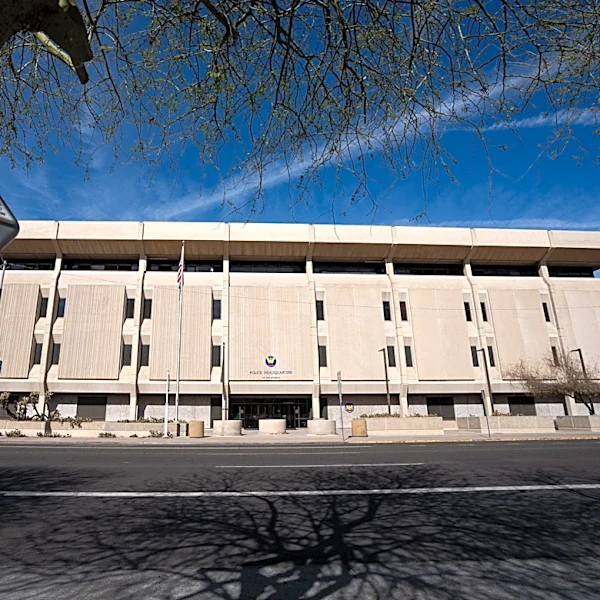
A Worcester-based preclinical research company, Biomere, received an official warning from the U.S. Department of Agriculture (USDA) last month for violating the Animal Welfare Act. A federal inspection report in April detailed incidents over the previous
year involving 16 monkeys, resulting in the death of one animal and injuries to six others. According to the USDA report, one incident in November involved a technician improperly operating an anesthesia machine, leading to gas trapping under a monkey's skin, which necessitated euthanasia. In six other cases, improper cage cleaning procedures led to monkeys biting and wounding each other's fingers, requiring veterinary staff to amputate the digits. Additionally, workers failed to administer painkillers during one operation. Biomere spokesperson Stephen Blash stated that these were instances of "human error" and that the lab self-reported the incidents and implemented corrective measures before the inspection. No further incidents have been recorded in subsequent June and July inspections.
Why It's Important?
This USDA warning highlights ongoing concerns regarding animal welfare in research facilities, particularly in the context of preclinical testing. The incidents at Biomere, one of New England's largest animal testing labs, underscore the critical need for stringent adherence to animal handling protocols and the potential severe consequences when these protocols are not followed. For the biomedical research industry, such violations can lead to increased scrutiny, potential regulatory penalties, and damage to public trust. Animal rights advocates, who have been protesting Biomere, view this warning as validation of their concerns, emphasizing the ethical dimensions of animal testing. The situation also brings to light the debate over the efficacy and ethics of animal testing versus alternative methodologies, such as New Approach Methodologies (NAMs), which utilize technologies like 3D printing and AI. While Biomere states it uses NAMs, they currently constitute a small fraction of its operations, indicating the industry's continued reliance on animal models.
What's Next?
Following the USDA warning, Biomere is likely to face a more rigorous inspection schedule, potentially for a period of six months, as indicated by Biomere spokesperson Stephen Blash. This increased oversight aims to ensure compliance with the Animal Welfare Act and prevent future incidents. Animal rights organizations, such as People for Ethical Treatment of Animals (PETA), are expected to continue their advocacy and protests, pushing for an end to animal-based testing and greater adoption of alternative research methods. The ongoing scrutiny could prompt Biomere and other similar facilities to further review and enhance their animal care and handling procedures. The broader conversation about the future of animal testing in biomedical research, including the integration and expansion of New Approach Methodologies, will likely gain momentum as these incidents draw public attention to the ethical and operational challenges within the industry.
Beyond the Headlines
The incidents at Biomere extend beyond mere procedural errors, touching upon the ethical complexities and public perception of animal research. The warning from the USDA, a federal agency, underscores the legal and moral obligations research institutions have towards the animals in their care. The debate between the necessity of animal testing for human health advancements and the ethical treatment of research animals is a long-standing one. This event could fuel further calls for transparency and accountability within the animal research sector. It also highlights the tension between scientific progress and animal welfare, prompting a deeper examination of whether current regulations are sufficient and if the industry is adequately investing in and adopting non-animal testing alternatives. The self-reporting aspect by Biomere, while positive, also raises questions about the frequency and thoroughness of internal oversight versus external regulatory inspections.