






What's Happening?
The global oil supply is facing significant shortages due to the ongoing war in Iran, leading to a potential increase in fuel prices in the United States. Energy executives and analysts have warned that even if the conflict ends soon, the depleted oil and gas
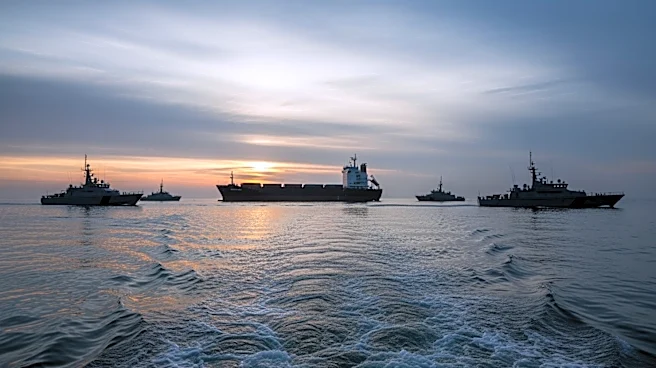
inventories may not prevent a surge in fuel prices by the July Fourth holiday. The U.S. and other countries have been using their reserves to mitigate the impact, but these reserves are running low. Gas prices have averaged over $4.30 in the past month, and further increases are expected as reserves dwindle. The situation is exacerbated by the closure of the Strait of Hormuz, a critical passage for global oil supplies.
Why It's Important?
The depletion of oil reserves and the potential increase in fuel prices could have significant economic implications for the U.S. Higher fuel costs can lead to increased transportation and production costs, affecting various industries and consumer prices. The situation also highlights the vulnerability of global oil supply chains to geopolitical conflicts. The U.S. government is under pressure to find a resolution to the conflict to stabilize fuel prices and ensure energy security. The outcome of this situation could influence U.S. energy policies and international relations, particularly with Iran and other oil-producing nations.
What's Next?
The U.S. government is working to end the conflict and reopen the Strait of Hormuz to stabilize the oil supply. However, even if the strait reopens, it will take months to replenish depleted inventories. The U.S. may need to explore alternative energy sources or increase domestic production to mitigate future supply disruptions. The situation could also lead to increased diplomatic efforts to resolve the conflict and prevent further escalation. Stakeholders, including oil companies and government agencies, will need to collaborate to address the immediate and long-term challenges posed by the oil supply shortages.