




What's Happening?
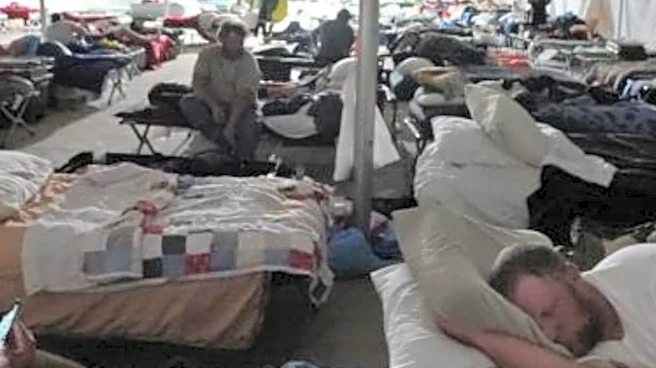
El Hierro, a small Spanish island in the Canary Islands, is facing significant strain on its healthcare and reception services due to a sharp increase in migrant arrivals. Nearly 1,600 migrants arrived by sea in just over a week, with more than 20 vessels
reaching the island since October 19. Luis González, medical director of Nuestra Señora de los Reyes Hospital, reported that 86 migrants were treated in the emergency department in October, compared to five in the same month last year, with 21 admitted for care. The hospital, which has only 31 beds, is struggling to cope, with staff using corridors and facing delays in transferring migrants due to a shortage of National Police and Guardia Civil officers. Jorge Silva, the hospital's nursing director, also raised concerns about inadequate conditions at the temporary migrant reception center (CATE), where staff have worked in challenging environments. Canary Islands President Fernando Clavijo has requested urgent support from Spain's central government, including a contingency plan, faster transfers of adults to mainland Spain, and additional support from the European Union and Frontex.
Why It's Important?
This situation highlights the severe humanitarian and logistical challenges faced by frontline communities in Europe due to increased migration flows. The strain on El Hierro's healthcare system, a small island with limited resources, underscores the disproportionate impact on local services. The inability to efficiently process and transfer migrants creates a bottleneck, affecting both the newly arrived individuals and the local population's access to healthcare. For the U.S., while not directly involved, this situation reflects broader global migration trends and the pressures they place on national and international systems. It also serves as a case study for how sudden demographic shifts can overwhelm public services, prompting calls for greater international cooperation and resource allocation. The safety and well-being of migrants, many of whom undertake dangerous journeys, are also a critical concern, as are the working conditions of healthcare and security personnel on the ground.
What's Next?
Canary Islands President Fernando Clavijo has formally requested six urgent measures from Prime Minister Pedro Sánchez, including a contingency plan and increased support from the EU and Frontex. If the central government does not respond, the regional government may consider legal action. The immediate focus will be on providing additional police and Guardia Civil reinforcements to facilitate migrant transfers and processing, as well as improving conditions at reception centers. The hospital will continue to manage the influx, but without external support, its capacity will remain severely stretched. The long-term outlook involves addressing the root causes of migration and strengthening international cooperation on migration management, including safe and legal pathways, and combating human trafficking. The Atlantic route to the Canary Islands remains one of the most dangerous, and efforts to reduce fatalities and improve humanitarian responses will be ongoing.
Beyond the Headlines
The crisis in El Hierro is a microcosm of the larger European migration challenge, exposing vulnerabilities in reception systems and the need for more equitable burden-sharing among member states. The increase in arrivals along the Atlantic route, described as one of the world's most dangerous, points to the desperation driving migrants and the failures of existing policies to deter unsafe journeys. The ethical dimension of providing adequate care and dignified reception to vulnerable populations is paramount. The situation also raises questions about the role of the European Union and its border agency, Frontex, in supporting member states under pressure. Beyond immediate relief, there is a need for comprehensive, long-term strategies that address both the humanitarian aspects of migration and the geopolitical factors contributing to it, including economic instability, conflict, and climate change in countries of origin. The strain on local resources also highlights the importance of robust national and international funding mechanisms to support affected regions.