







What's Happening?
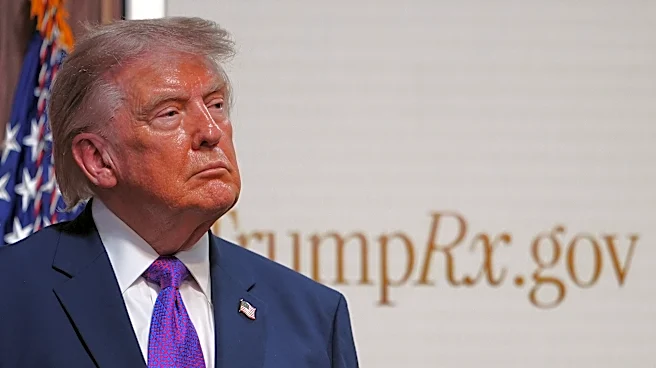
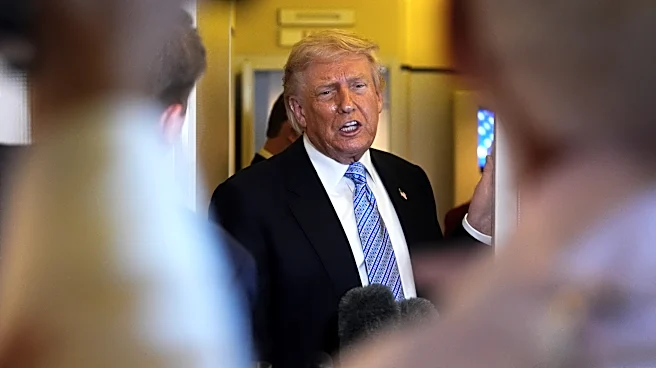
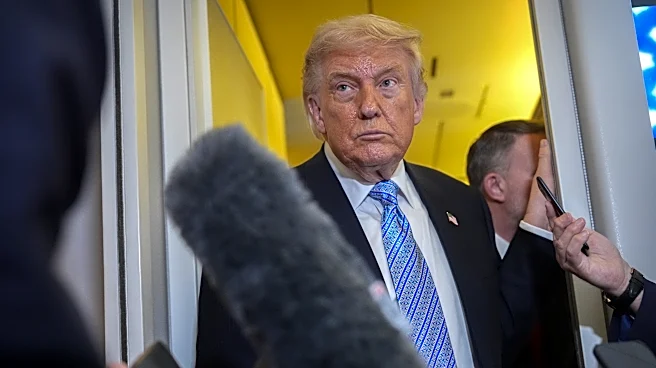
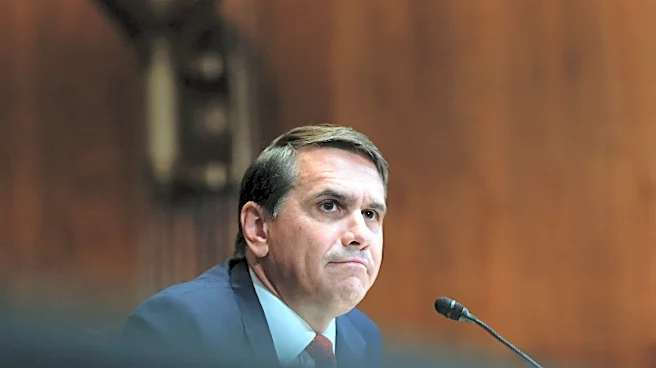
The Department of Justice has expanded a settlement agreement with President Trump to include a provision that bars the IRS from pursuing any unpaid tax claims against him, his family, or their businesses. This agreement, signed by acting Attorney General
Todd Blanche, resolves a lawsuit filed by Trump over the leak of his tax returns. The settlement also establishes a $1.8 billion fund to compensate individuals or organizations allegedly targeted by previous administrations. Critics have raised concerns about the precedent set by this settlement and its potential impact on the impartiality of government agencies.
Why It's Important?
The settlement is significant as it effectively shields President Trump from any IRS investigations into past tax issues, raising concerns about the use of executive power to influence legal outcomes. Critics argue that the settlement represents a form of self-dealing, as it benefits Trump and his associates while he controls the executive branch. The creation of the $1.8 billion fund is also controversial, as it is perceived to favor Trump's allies. This development may impact public perception of the impartiality and integrity of government agencies.
What's Next?
The settlement may lead to increased scrutiny and criticism from political opponents and watchdog groups. There could be calls for legislative or judicial review of the settlement's terms and its implications for the separation of powers. The administration of the fund and its beneficiaries will likely be closely monitored to ensure transparency and accountability. This settlement may also influence future legal strategies and negotiations involving high-profile individuals and government agencies.
Beyond the Headlines
The settlement raises ethical and legal questions about the use of executive power to resolve personal legal disputes. It highlights potential conflicts of interest when a sitting president is involved in legal matters that intersect with their official duties. The decision to bar IRS investigations could undermine public trust in the impartiality of government agencies and their ability to enforce tax laws fairly. This development may prompt discussions about the need for reforms to prevent similar situations in the future.