





What's Happening?
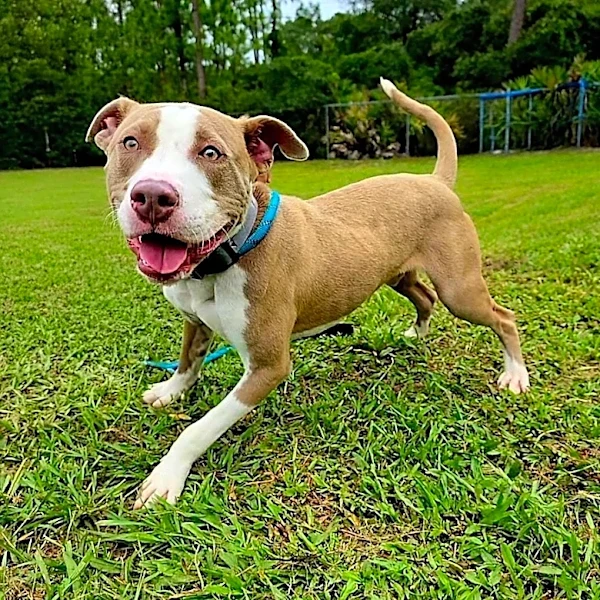
Paws of Dearborn County, an animal shelter in Dearborn County, Indiana, has reached its maximum capacity and is urgently appealing to the community for assistance. The shelter is seeking adoptive and foster pet parents for a large number of cats and dogs
currently under its care. The overflow situation developed last week, prompting the shelter to make a public plea. To facilitate adoptions and fostering, Paws of Dearborn County has posted profiles of available animals on its website. Interested individuals can visit the website to view the animals and submit applications to adopt or foster. The website also provides information for those interested in volunteering their time to support the shelter's operations.
Why It's Important?
The capacity crisis at Paws of Dearborn County reflects a broader challenge faced by animal shelters across the nation, often exacerbated by various factors such as economic hardship, housing limitations, and a lack of spay/neuter initiatives. When shelters reach capacity, it can lead to difficult decisions regarding animal intake and care, potentially impacting the welfare of animals in the community. The call for adopters and foster homes is crucial for alleviating overcrowding, providing animals with temporary or permanent loving environments, and freeing up resources for new intakes. Community involvement in fostering and adoption directly contributes to reducing euthanasia rates and improving the quality of life for countless animals.
What's Next?
Paws of Dearborn County will continue to promote its available animals through its website and community outreach efforts, hoping to attract adopters and foster parents. The success of this appeal will directly influence the shelter's ability to manage its current population and accept new animals in need. The shelter will process applications for adoption and fostering, aiming to place as many animals as possible into suitable homes. Additionally, the shelter will likely continue to seek volunteers to assist with daily operations, animal care, and community engagement. The long-term solution for such capacity issues often involves ongoing public education about responsible pet ownership, spay/neuter programs, and community support for animal welfare organizations.
Beyond the Headlines
The recurring issue of animal shelter overpopulation points to systemic challenges in pet ownership and animal welfare. Beyond the immediate need for adoptions and fosters, this situation underscores the importance of preventative measures, such as accessible and affordable spay/neuter services, to control pet populations. It also highlights the need for robust community support systems for pet owners, especially during times of economic instability, to prevent surrenders. The emotional and financial strain on shelter staff and resources during capacity crises can be immense, making community engagement not just helpful, but essential for the sustainability of animal welfare efforts. This situation serves as a reminder of the interconnectedness between human communities and animal well-being.