


What's Happening?
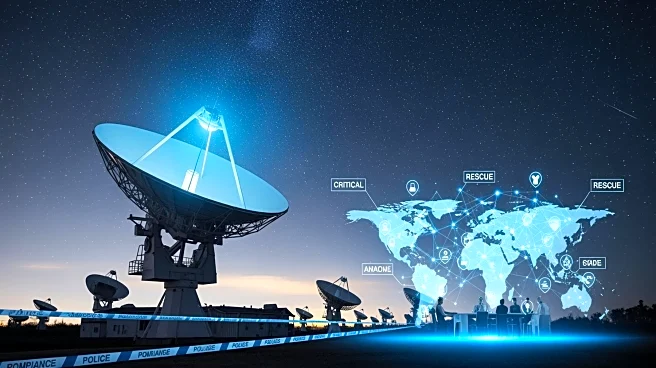
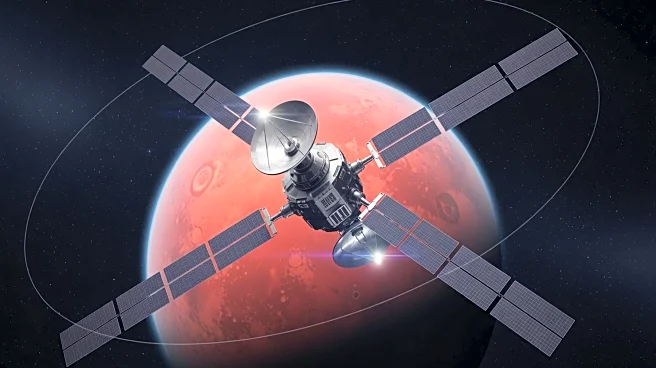
In 2025, a global network of satellites operated by the National Oceanic and Atmospheric Administration (NOAA) played a crucial role in rescuing 300 people from life-threatening situations in the United States and its surrounding waters. Among these rescues,
183 individuals were saved from water-related incidents, including five passengers on a jet that crashed into Oregon's Coos Bay. The system, known as the Search and Rescue Satellite Aided Tracking (SARSAT), detects emergency distress signals transmitted by 406 beacons. These beacons are used by pilots, sailors, and hikers to send emergency notifications from remote areas. The SARSAT system has been instrumental in over 63,000 rescues globally since its inception in 1982, with more than 11,190 rescues in the U.S. alone.
Why It's Important?
The use of satellite technology in search and rescue operations underscores the significant advancements in emergency response capabilities. The ability to detect distress signals from remote locations enhances the efficiency and effectiveness of rescue missions, potentially saving countless lives. This technology is particularly vital for the aviation and maritime industries, where rapid response to emergencies can be the difference between life and death. The continued development and deployment of such systems could lead to further improvements in public safety and emergency management, benefiting both individuals and industries reliant on safe travel and transport.
What's Next?
As satellite technology continues to evolve, it is likely that the capabilities of systems like SARSAT will expand, potentially leading to even more efficient and widespread rescue operations. Future developments may include enhanced signal detection, faster response times, and broader coverage areas. Stakeholders such as government agencies, emergency services, and technology developers will likely continue to collaborate to improve these systems. Additionally, there may be increased investment in research and development to further integrate satellite technology into various aspects of public safety and emergency response.