
What's Happening?
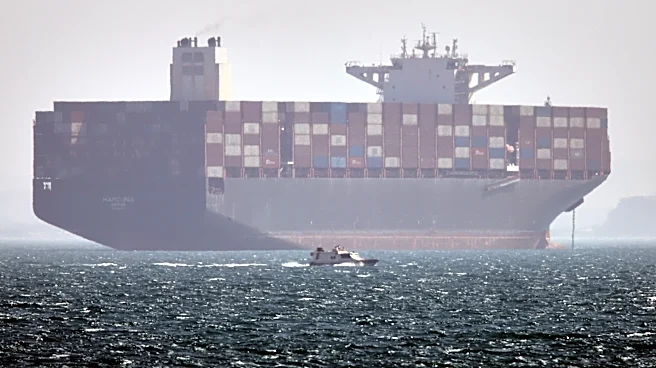
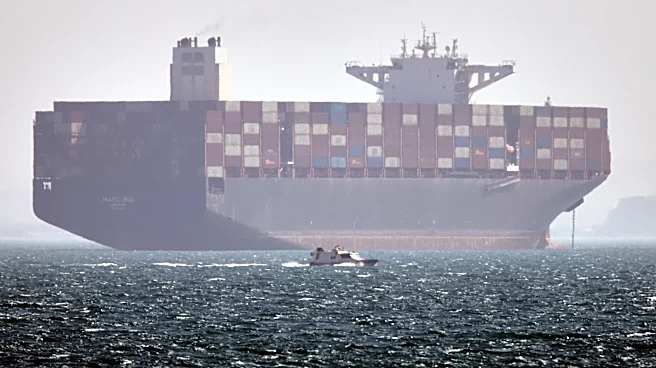
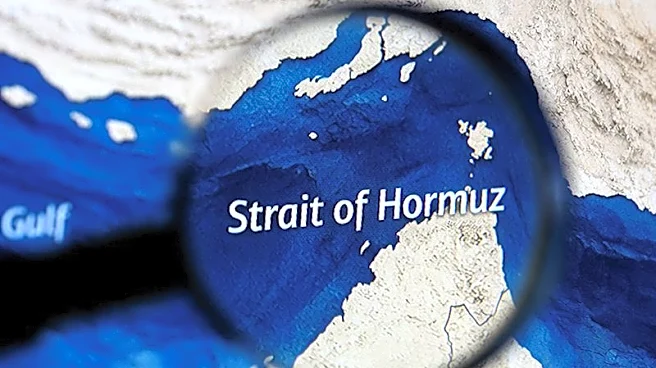
Kuwait has stopped exporting crude oil for the first time since the 1991 Gulf War, as reported by Tanker Trackers. This halt in exports follows the closure of the Strait of Hormuz due to ongoing conflicts
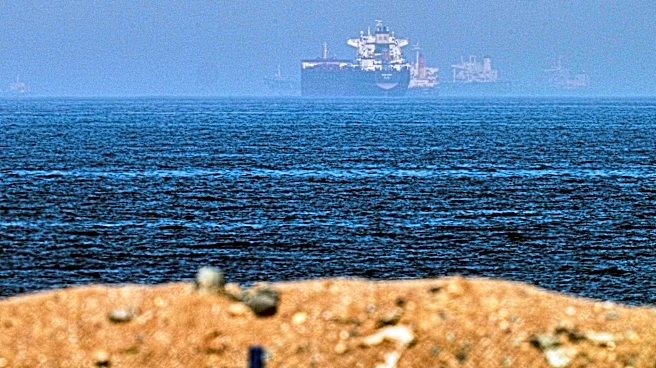
involving the U.S., Israel, and Iran. The strait is a critical chokepoint for global oil and LNG flows, handling about one-fifth of these commodities. Kuwait, a significant U.S. ally and host to American troops, previously exported approximately 1.85 million barrels per day, primarily to Asian markets. The suspension of exports was declared by Kuwait Petroleum Corporation on April 17, citing force majeure. This development has contributed to a surge in oil prices, which have climbed above $120 per barrel, reaching their highest levels since 2022.
Why It's Important?
The halt in Kuwaiti oil exports underscores the vulnerability of global oil supply chains to geopolitical tensions, particularly in the Middle East. The closure of the Strait of Hormuz, a vital passage for oil shipments, has exacerbated supply constraints, leading to increased oil prices. This situation poses significant economic challenges, as higher oil prices can lead to inflationary pressures and impact global economic growth. Countries reliant on oil imports, including the U.S., may face increased energy costs, affecting industries and consumers. The ongoing geopolitical tensions also highlight the strategic importance of the region and the potential for further disruptions in global oil markets.
What's Next?
With no immediate resolution in sight, the geopolitical tensions in the Middle East are likely to continue influencing global oil markets. Negotiations to reopen the Strait of Hormuz are ongoing, but the outcome remains uncertain. The U.S. and its allies may need to explore alternative routes or sources to mitigate the impact of the closure. Additionally, the situation may prompt increased diplomatic efforts to de-escalate tensions and ensure the security of vital shipping lanes. The international community will be closely monitoring developments, as any escalation could further disrupt oil supplies and impact global economic stability.