




What's Happening?
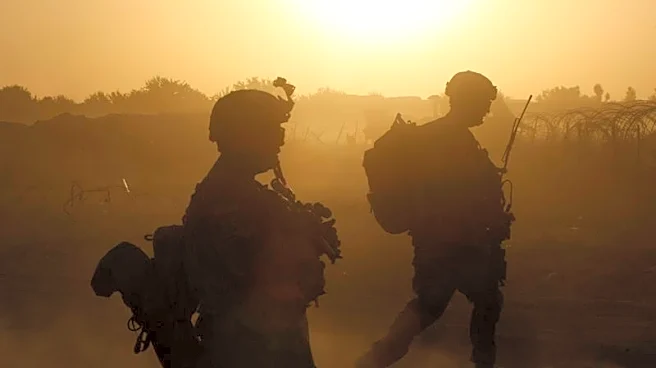
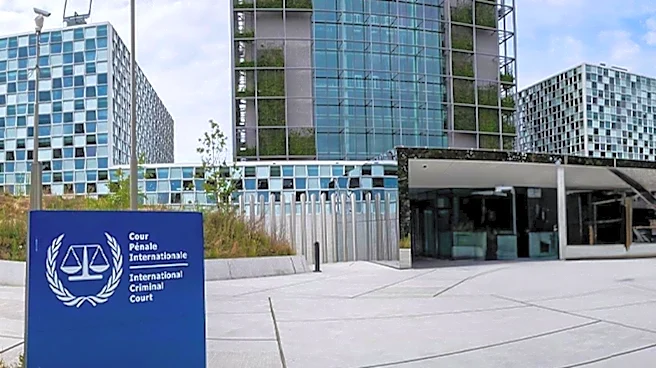
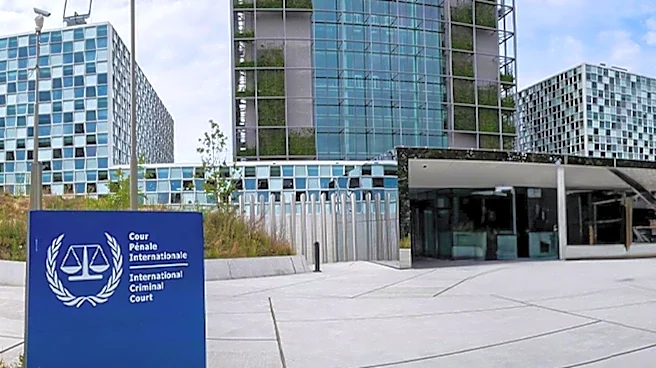
The International Criminal Court (ICC) judges have formally closed a portion of its long-running investigation into alleged war crimes in Afghanistan. This specific track of the inquiry had previously examined accusations against U.S. troops and the Islamic
State-Khorasan militia (IS-K). The decision, made public on November 13, 2026, narrows the ICC's focus to alleged actions by the Taliban since 2021. According to the Raleigh News & Observer, judges determined that prosecutors had not demonstrated the ability to effectively investigate the allegations involving U.S. troops and IS-K separately from the Taliban-focused case. This move follows an earlier order by ICC judges to split the Afghanistan inquiries into two distinct probes. The ICC prosecutor's office has appealed this decision, indicating ongoing legal maneuvering within the court regarding the scope of the investigation. The original broader inquiry, as reported by Middle East Eye, concerned alleged war crimes committed since 2003 by various parties, including Afghan National Security Forces, U.S. military and CIA personnel, the Taliban, and IS-K.
Why It's Important?
This decision by the ICC carries significant implications for the United States and international justice. By closing the part of the investigation that touched upon U.S. troops, the court effectively removes a direct legal scrutiny over alleged actions by American military and intelligence personnel in Afghanistan. This could be seen as a partial victory for the U.S., which has historically opposed the ICC's jurisdiction over its citizens and has even imposed sanctions on court officials. The move might alleviate some diplomatic pressure on the U.S. regarding potential prosecutions of its service members. However, the appeal filed by the ICC prosecutor's office suggests that the matter is not entirely settled, and the broader principle of accountability for alleged war crimes remains a point of contention. For victims of alleged abuses by U.S. forces, this closure could be perceived as a setback for justice, potentially reinforcing criticisms about the ICC's vulnerability to pressure from powerful states. The decision also highlights the complex interplay between international legal mandates and geopolitical realities.
What's Next?
The immediate next step is the appeal filed by the ICC prosecutor's office against the decision to close part of the Afghanistan investigation. The outcome of this appeal will determine whether the inquiry into alleged crimes by U.S. troops and IS-K could potentially be reopened or if the closure will be upheld. The ICC's founding statute allows for the prosecution of individuals accused of atrocity crimes committed on the territory of ICC member states, and this fundamental principle remains unchanged despite the recent decision. Stakeholders, including human rights organizations and civil society groups, will likely continue to monitor the appeal process closely and advocate for broader accountability. The U.S. government will also be observing these developments, as the ongoing case has been a point of contention in its relationship with the ICC, leading to past sanctions against court officials. The court's final determination on the appeal will shape the future scope of its Afghanistan investigations and could influence its approach to similar complex international conflicts.
Beyond the Headlines
The ICC's decision to close part of its Afghanistan probe, particularly concerning U.S. troops, delves into deeper ethical and legal questions about the reach and impartiality of international justice. This development occurs against a backdrop of significant U.S. pressure on the court, including institutional sanctions imposed due to investigations into U.S. soldiers' actions in Afghanistan and arrest warrants for Israeli officials. This context raises questions about whether the ICC, designed to be an independent arbiter of international law, can effectively operate without being influenced by the geopolitical power dynamics of non-member states like the U.S. The decision could set a precedent, potentially signaling to other powerful nations that sustained pressure might lead to the narrowing of investigations involving their personnel. Ethically, it challenges the principle of universal accountability for war crimes, suggesting that some actors might be less susceptible to international prosecution. Legally, it underscores the complexities of jurisdiction and evidence gathering in conflict zones, especially when dealing with non-cooperative states. This situation could further fuel debates about the ICC's effectiveness and its ability to deliver justice impartially across the globe.