
What's Happening?
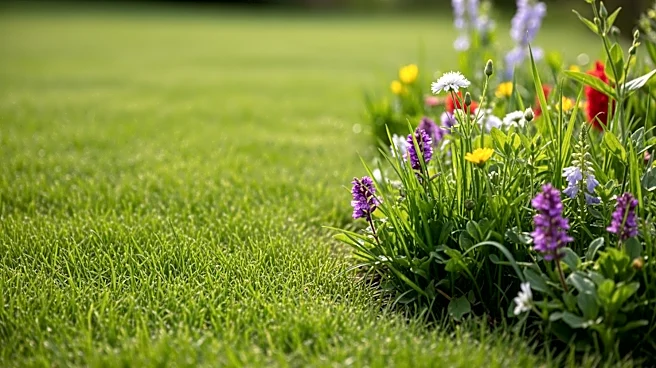
Pennsylvania has launched an initiative called the Lawn to Habitat Program, offering 300 residents free Pocket Meadow Kits to convert 1,000 square feet of traditional turf into native wildflowers and grasses.
This program is part of a broader effort to enhance biodiversity, improve environmental conditions, and reduce water and pesticide use. The initiative aligns with the state's Chesapeake Bay Watershed Implementation Plan, which aims to convert 10,000 acres of mowed land into woods and meadows. The kits include a mix of native seeds such as golden ragwort and Appalachian beardtongue, designed to attract pollinators and support local wildlife. The program has seen high demand, with applications exceeding the Department of Conservation and Natural Resources' server capacity, indicating strong public interest in sustainable landscaping.
Why It's Important?
The initiative represents a significant shift in residential landscaping, moving away from traditional lawns that require extensive water and pesticide use. By promoting native meadows, Pennsylvania aims to address habitat loss, a major factor in the decline of pollinators and other wildlife. The program also supports stormwater management and carbon storage, offering ecological benefits that extend beyond individual properties. This approach could serve as a model for other states looking to balance urban development with environmental conservation. The high demand for the kits suggests a growing public interest in sustainable practices, which could drive further policy changes and community-led environmental efforts.
What's Next?
As the program continues, Pennsylvania plans to assess the demand for future releases of the Pocket Meadow Kits. The state may expand the initiative based on public interest and ecological outcomes. Homeowners participating in the program will need to adapt to a new type of landscape stewardship, focusing on periodic management rather than constant maintenance. The success of this initiative could influence other states to adopt similar programs, potentially leading to widespread changes in suburban landscaping practices across the U.S.
Beyond the Headlines
The shift from traditional lawns to native meadows reflects a broader cultural change in how Americans view their outdoor spaces. This transformation encourages a more ecological perspective, where yards are seen as part of a larger environmental system rather than isolated patches of greenery. The program also highlights the role of individual actions in addressing larger environmental challenges, empowering residents to contribute to biodiversity and sustainability efforts directly from their homes.