








What's Happening?
Germany's governing coalition has proposed a new policy requiring workers to provide a doctor's note to their employer on the first day of illness. This change, reported by the BBC, would replace the current rule that allows workers to be absent for up
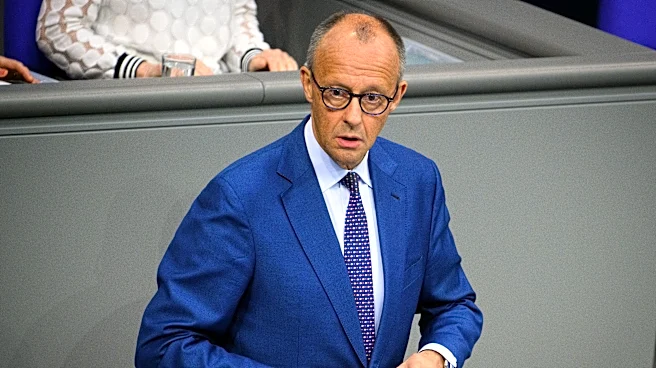
to three days without a medical certificate. The reform aims to eliminate COVID-era phone-based sick notes and mandates a doctor's certificate from the first day of illness. Chancellor Friedrich Merz supports the change, citing high sick leave rates as a competitive disadvantage for Germany. However, the proposal has faced criticism from medical groups and within the governing coalition. The KBV, representing statutory health insurance physicians, argues that the policy would unnecessarily burden doctors' offices. Labor Minister Bärbel Bas has expressed concerns about the policy's effectiveness and potential difficulties.
Why It's Important?
The proposed policy change is significant as it could impact both employers and employees in Germany. For multinational companies with operations in Germany, this shift would necessitate updates to absence policies and HR workflows. The policy aims to reduce the number of sick days, which Chancellor Merz claims are too high, potentially improving productivity and competitiveness. However, the requirement for immediate medical certification could strain healthcare resources and increase administrative burdens for both employees and healthcare providers. The policy's reception and implementation could influence labor relations and set precedents for other countries considering similar measures.
What's Next?
The proposed changes are part of broader tax, labor, and pension reforms aimed at revitalizing Germany's economy. The legislative process will determine the final details and timelines of the policy. Employers and labor groups will likely engage in discussions to address concerns and negotiate terms. The outcome could lead to sector-specific arrangements or modifications to the proposed policy. Observers will watch how the policy affects Germany's labor market and whether it achieves its intended goals of reducing sick leave and enhancing economic performance.