



What's Happening?
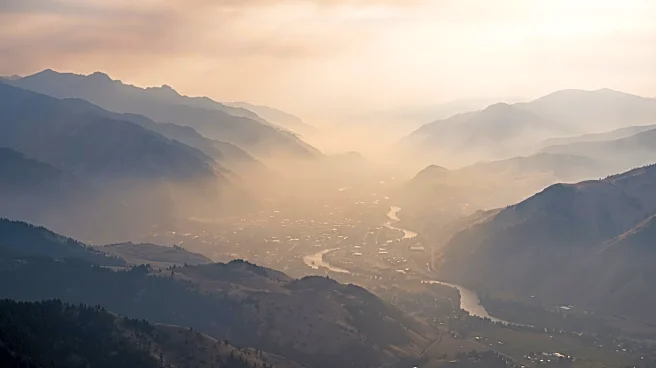
The Montana Republican Party has adopted an updated platform that continues to support the transfer of federally managed lands to state control. This new platform, approved at their biennial convention in Missoula in June, includes language specifying
'a transition plan and continued public access.' This update follows a previous iteration that called for 'relinquishing federally managed public lands to the states in order to secure statehood equality and provide for better management of public lands.' The change in wording has been criticized by groups like the Wild Montana Action Fund, which views the 'transition plan' and 'continued access' clauses as a 'Trojan horse' to make the sale of public lands more acceptable. The platform also calls on Republican lawmakers to oppose perpetual conservation easements and the sale of National Parks and Wilderness Areas, implicitly suggesting openness to selling other types of federal lands. Despite this, some Montana Republicans, including Representative Troy Downing, have publicly stated their opposition to selling off public lands.
Why It's Important?
This updated platform is significant because it reflects a continued push within the Montana GOP for state control over federal lands, a stance that has historically faced strong opposition from Montana voters. A January survey cited by the Center for Western Priorities found that 84% of Montana voters want public lands protected and kept in public hands, with only 6% favoring their sale or transfer. The party's position could complicate the campaigns of Republican candidates in the upcoming November election, particularly those who have previously tried to distance themselves from land transfer policies. The inclusion of 'continued public access' in the new language attempts to address public concerns but is seen by critics as a superficial change that still paves the way for potential privatization. This issue highlights a persistent tension between a segment of the Republican party's platform and the broader public sentiment regarding land management in Western states.
What's Next?
The updated platform is expected to create further challenges for Republican candidates in Montana as they navigate the upcoming November elections. Candidates like Kurt Alme and Aaron Flint, who are running for Congress, may face increased scrutiny regarding their stance on public land transfers, especially given the strong public opposition to such measures. The lack of transparency surrounding the platform's adoption, including the absence of debate records or voting details, could also fuel public distrust. Major stakeholders, including conservation groups and public land advocates, are likely to continue monitoring and challenging any legislative efforts that align with the platform's call for land transfers. The debate over public land management is expected to remain a prominent issue in Montana politics, influencing voter decisions and shaping political discourse in the state.
Beyond the Headlines
The Montana GOP's updated platform touches upon deeper ethical and cultural dimensions concerning land ownership and access in the American West. The concept of 'public lands in public hands' is deeply ingrained in the identity and recreational activities of many Montanans, making any perceived threat to this principle a highly contentious issue. The debate extends beyond mere policy to fundamental questions about the role of federal versus state government in managing natural resources, and the balance between economic development and environmental conservation. The 'Trojan horse' accusation suggests a strategic use of language to mask intentions, raising questions about political transparency and accountability. This ongoing tension reflects a broader national discussion about the future of federal lands and the varying interpretations of 'better management'—whether it prioritizes resource extraction, recreational access, or ecological preservation.