



What's Happening?
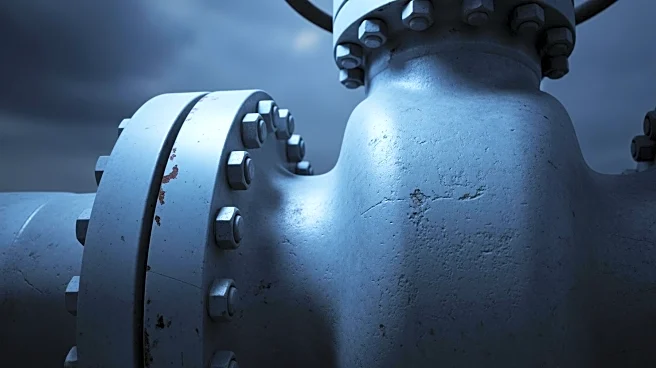
The Druzhba pipeline, a critical conduit for oil exports from Ukraine and Russia, has been disrupted following a Russian attack on pumping installations in Ukraine. This has halted oil shipments to Hungary and Slovakia, which rely on the pipeline for energy
supplies. The suspension of the pipeline, primarily operated by Russia, has sparked tensions within the European Union, with Hungary blocking new sanctions on Russia. The pipeline's disruption denies Ukraine a vital source of export revenue, potentially forcing it to halt oil production if the situation persists. The pipeline, one of the world's longest, has lost significance due to the ongoing conflict and European sanctions against Russia.
Why It's Important?
The disruption of the Druzhba pipeline highlights the vulnerability of energy infrastructure in conflict zones and the broader geopolitical implications of energy dependency. For Ukraine, the halt in oil exports exacerbates economic challenges, as the country relies on these revenues to manage its budget deficit. The situation also underscores the strategic importance of energy routes in geopolitical conflicts, with Hungary and Slovakia's reliance on Russian oil complicating EU efforts to impose sanctions. The pipeline's disruption could lead to increased energy prices and supply shortages in affected regions, further straining relations within the EU.
What's Next?
The EU may need to explore alternative energy sources and routes to reduce dependency on Russian oil, particularly for member states like Hungary and Slovakia. Ukraine will likely seek to restore pipeline operations or find alternative export routes to mitigate economic losses. The ongoing conflict may prompt further attacks on energy infrastructure, necessitating increased security measures. The EU's planned legal proposal to ban Russian oil imports could intensify diplomatic tensions, requiring careful negotiation to balance energy security with geopolitical objectives.
Beyond the Headlines
The situation raises questions about the long-term sustainability of energy policies in Europe and the need for diversification of energy sources. The reliance on pipelines like Druzhba, built during the Soviet era, highlights the legacy of historical energy dependencies that continue to influence modern geopolitics. The conflict underscores the importance of developing resilient energy infrastructure that can withstand geopolitical pressures and support energy transition goals. As the EU navigates these challenges, the role of energy in shaping international relations will remain a critical consideration.