








What's Happening?
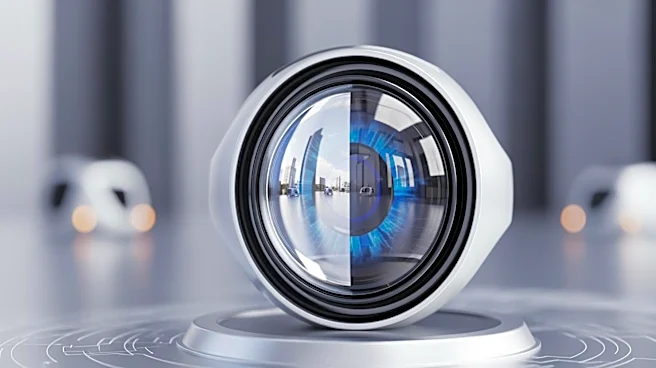
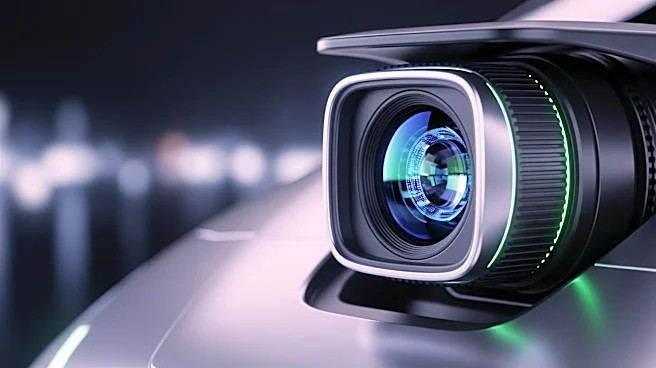
Researchers have developed a new type of artificial eye that mimics human vision, potentially improving the performance of self-driving cars and robots in mixed lighting conditions. The technology, known as photomemristors, can adapt to varying light levels
by adjusting its sensitivity, similar to how the human eye functions. This innovation could lead to more reliable optical systems that process light data faster and more accurately. The research, conducted by a team including a Penn State engineer, was published in Nature Communications.
Why It's Important?
The development of artificial eyes that mimic human vision could significantly enhance the capabilities of self-driving cars and robots, particularly in challenging lighting environments. This technology has the potential to improve safety and efficiency in autonomous systems, which rely heavily on accurate visual data. The innovation could also lead to advancements in other fields, such as healthcare and manufacturing, where precise visual recognition is crucial.
What's Next?
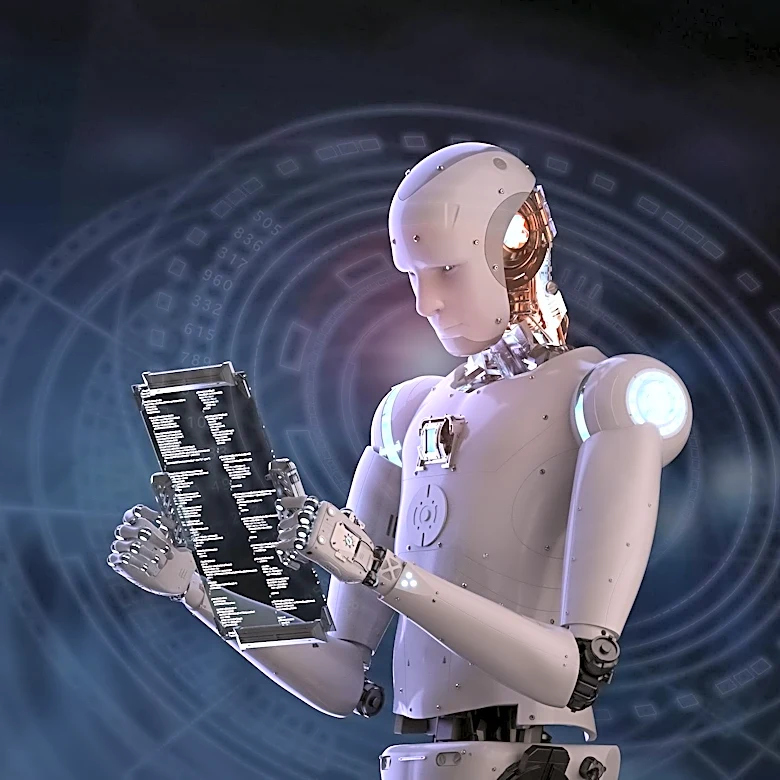
The research team plans to further develop the photomemristors into a larger sensing system that can interpret both visual and tactile data. This could reduce power usage and expand the applications of the technology. Future developments may include integrating the technology into systems for visually impaired individuals or enhancing human-robot interaction in various industries.