

What's Happening?
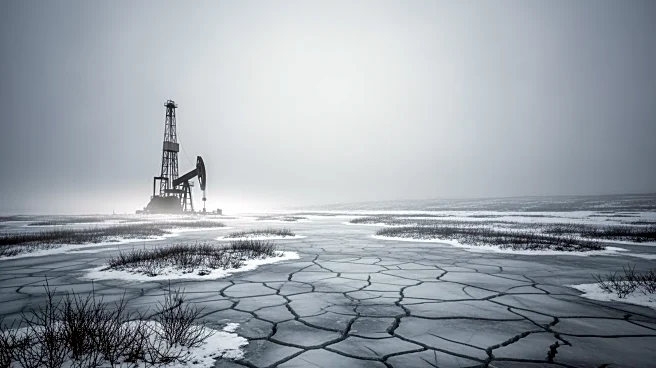
Conservation organizations and an Iñupiat group have filed lawsuits challenging the Trump administration's renewed efforts to promote oil and gas development in Alaska's National Petroleum Reserve. The legal actions, filed in federal courts in Alaska and the District
of Columbia, contest the March 18 lease sale that would open ecologically sensitive lands for drilling. The lawsuits argue that the lease sale improperly includes areas near Teshekpuk Lake and the Colville River, which are designated for their wildlife and subsistence values. The plaintiffs, including Earthjustice, the Center for Biological Diversity, and Friends of the Earth, claim that the sale violates federal laws by removing protections from these special areas without proper justification.
Why It's Important?
The legal challenges highlight the ongoing debate over balancing energy development with environmental protection in Alaska. The National Petroleum Reserve is a critical habitat for wildlife and a subsistence area for local communities. The outcome of these lawsuits could set a precedent for future oil and gas leasing in protected areas, impacting environmental policy and indigenous rights. If successful, the lawsuits could halt or alter the lease sale process, affecting the U.S. energy sector and potentially influencing national energy policies. The case underscores the tension between economic interests in resource extraction and the preservation of natural and cultural resources.
What's Next?
The lawsuits seek to invalidate any leases issued from the upcoming sale and prevent future sales based on what the plaintiffs argue are flawed environmental reviews. A court decision in favor of the plaintiffs could lead to increased scrutiny of federal land management practices and potentially halt further development in the reserve. The Interior Department and the Bureau of Land Management, named as defendants, may need to revisit their environmental assessments and management plans. The case could also prompt legislative or administrative actions to address the balance between development and conservation in federal lands.