



What's Happening?
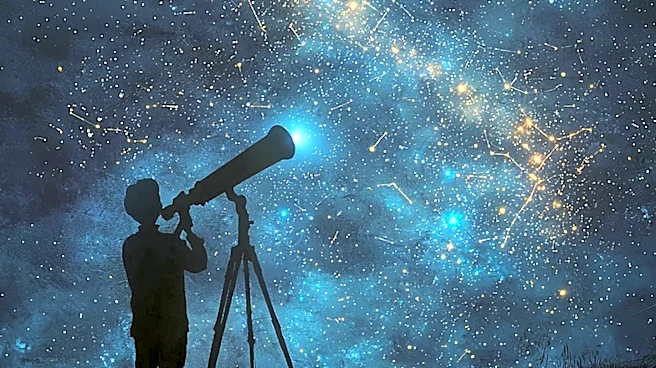
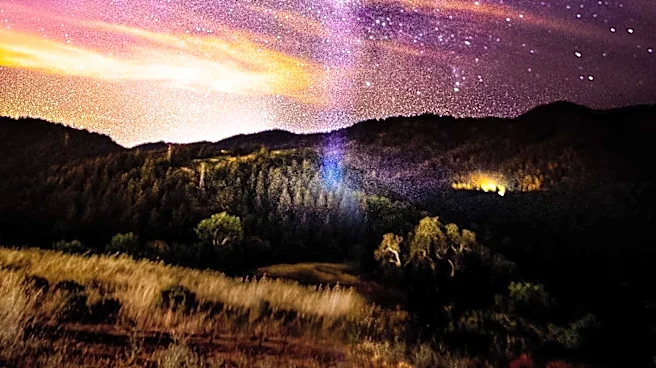
Two meteor showers, the Southern Delta Aquariids and the Alpha Capricornids, are set to light up the night sky in late July. The Southern Delta Aquariids, which can be observed from July 12th, will peak on July 30th and 31st, offering up to 20 shooting
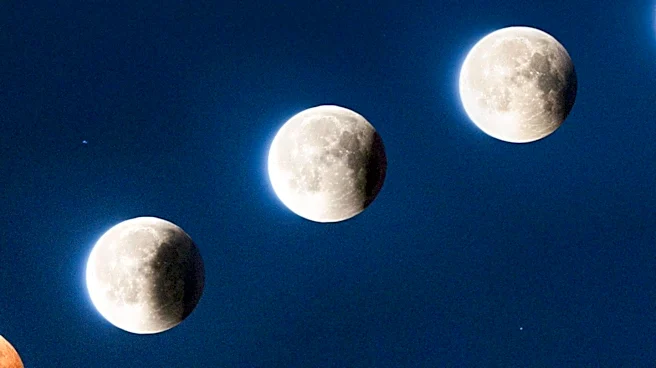
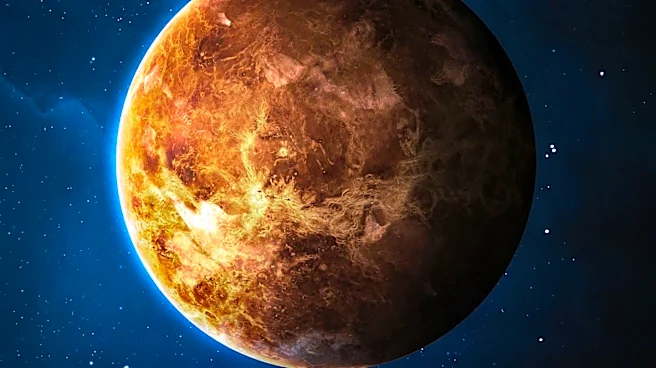
stars per hour. The Alpha Capricornids, peaking at the same time, will provide a more modest display of five shooting stars per hour but are known for their bright fireballs. While the Southern Delta Aquariids are best viewed in the Southern Hemisphere, they are also visible in the Northern Hemisphere, with better visibility the farther south one is located. The Alpha Capricornids can be seen well across both hemispheres. However, the bright, waning moon during this period may obscure some of the fainter meteors. National Geographic suggests looking 40 degrees away from the radiant point to improve visibility. Additionally, on July 11th and 17th, celestial alignments involving the crescent moon, Venus, Mars, and the Pleiades will offer further opportunities for stargazing.
Why It's Important?
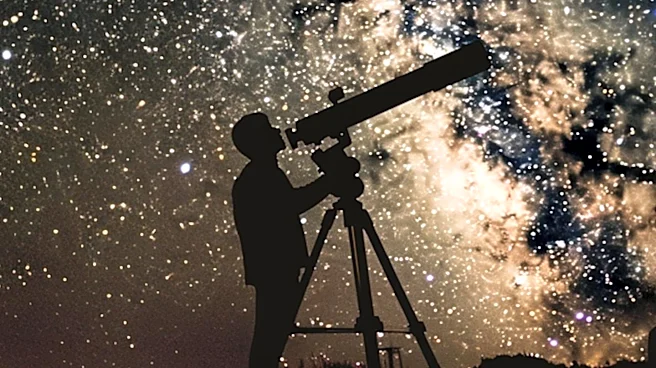
These meteor showers provide a unique opportunity for stargazers and astronomy enthusiasts to witness a natural celestial event. Such events can inspire interest in astronomy and science, encouraging educational activities and community gatherings centered around stargazing. The visibility of these meteor showers across the U.S. allows a wide audience to engage with the night sky, fostering a sense of wonder and appreciation for natural phenomena. Moreover, these events can boost local tourism in areas known for clear skies and minimal light pollution, as people travel to optimal viewing locations. The meteor showers also serve as a reminder of the vastness and beauty of the universe, offering a moment of reflection and connection with the natural world.
What's Next?
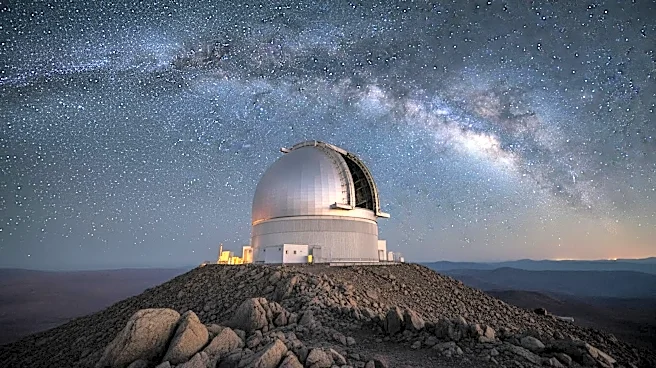
As the peak dates for the meteor showers approach, stargazers are advised to find locations with minimal light pollution for the best viewing experience. Astronomy clubs and local observatories may organize events or provide guidance on optimal viewing practices. Weather conditions will play a crucial role in visibility, so checking local forecasts will be important for those planning to observe the showers. Additionally, the celestial alignments on July 11th and 17th offer further opportunities for observation, with the crescent moon forming notable configurations with Venus, Mars, and the Pleiades. These events may also be covered by media outlets, providing additional information and tips for viewers.