




What's Happening?
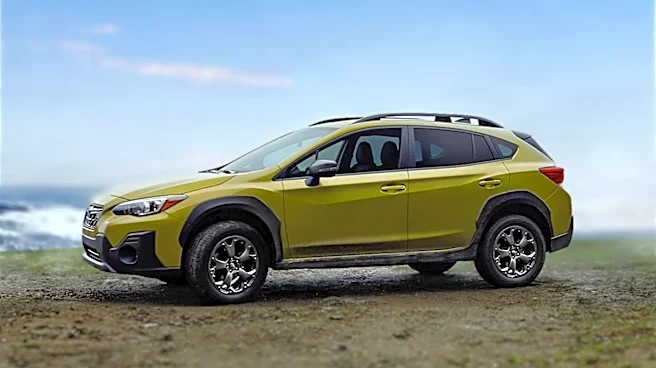
A Juneau family reported that a black bear became trapped inside their unlocked Subaru vehicle early Monday morning. The incident, which occurred around 12:30 a.m., resulted in significant damage to the car's interior. Juneau police were called to the scene
and subsequently freed the bear from the vehicle. This event highlights the ongoing interactions between wildlife and urban environments in areas like Juneau, where bears are a common presence. The family's experience serves as a reminder of the potential for property damage when precautions, such as locking car doors, are not taken in bear-prone regions. The bear's ability to enter and cause extensive damage before being released by authorities underscores the strength and persistence of these animals.
Why It's Important?
This incident is important as it underscores the challenges and risks associated with coexisting with wildlife, particularly in communities bordering natural habitats. For residents of Juneau and similar areas, it highlights the necessity of securing personal property to prevent animal intrusions, which can lead to costly damages and potential safety concerns. Economically, such incidents can result in unexpected expenses for vehicle repairs, impacting insurance premiums or out-of-pocket costs for affected individuals. From a public policy perspective, it reinforces the need for ongoing public awareness campaigns regarding wildlife safety and property protection measures. The event also draws attention to the role of local law enforcement in managing human-wildlife conflicts, which can divert resources from other community needs. The frequency of such occurrences can influence local regulations and community planning efforts aimed at mitigating these interactions.
What's Next?
Following this incident, it is likely that local authorities, such as the Alaska Department of Fish and Game (ADF&G) and Juneau police, will continue to emphasize public education on bear safety and prevention measures. This may include reminders to lock vehicle doors, secure food items, and properly store garbage to avoid attracting wildlife. Residents in Juneau may be more vigilant in securing their vehicles and homes. There could also be increased discussions within the community about strategies to minimize human-bear conflicts, especially as bears become more active during certain seasons. Insurance companies might also see an uptick in claims related to wildlife damage, potentially influencing future policy adjustments or recommendations for homeowners and vehicle owners in bear-prone regions.
Beyond the Headlines
Beyond the immediate damage, this event touches upon the broader ecological and societal implications of human encroachment into wildlife habitats. As urban areas expand, the interface between human settlements and natural environments becomes more pronounced, leading to increased interactions with wildlife. This incident serves as a micro-example of a macro trend, where animals, driven by instinct and opportunity, adapt to human environments, sometimes with destructive consequences. It raises questions about sustainable urban planning, wildlife management strategies, and the ethical considerations of coexisting with wild animals. The incident also subtly highlights the resilience and adaptability of wildlife, even in the face of human infrastructure, and the continuous need for humans to adapt their behaviors to minimize conflict and ensure both human safety and wildlife conservation.