



What's Happening?
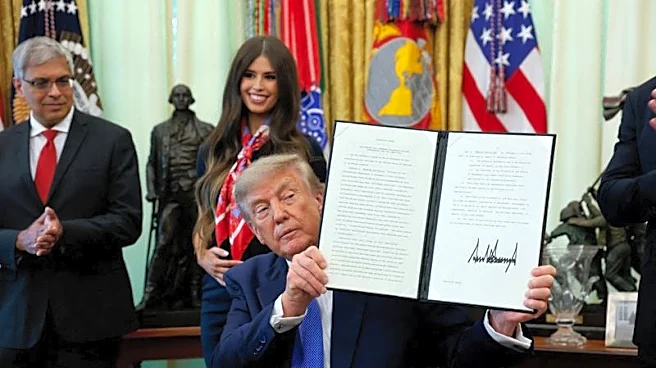
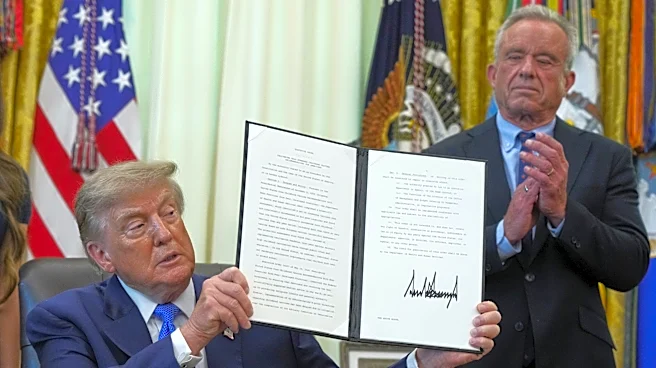
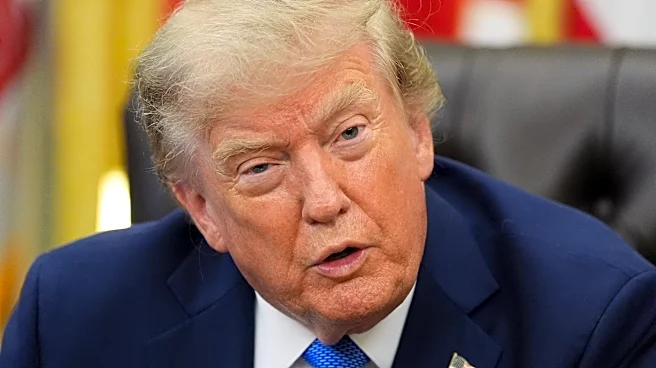
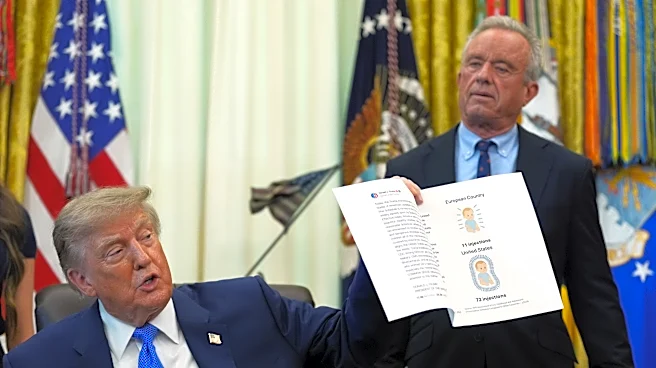
President Trump has signed an executive order aimed at altering the U.S. vaccination policy by reducing the number of routine immunizations for children and spacing them out. The order seeks to maximize parental choice over vaccinations, but has been
met with criticism from health experts who argue it could lead to increased uncertainty and fear. The order calls for splitting combination vaccines into separate shots, a move that is currently not feasible in the U.S. The executive order is likely to face legal challenges as vaccine recommendations are typically made through the CDC's Advisory Committee on Immunization Practices.
Why It's Important?
This executive order could have significant implications for public health in the U.S. by potentially lowering vaccination rates and increasing the risk of outbreaks of vaccine-preventable diseases. The order challenges established vaccine schedules and could lead to logistical challenges for healthcare providers and parents. It also raises concerns about the erosion of public confidence in vaccines, which are crucial for preventing diseases. The potential legal challenges and the order's impact on state vaccination requirements could further complicate the public health landscape, affecting millions of children and their families.
What's Next?
The executive order is expected to face legal challenges, as it conflicts with existing processes for vaccine recommendations. The CDC and healthcare providers will need to navigate the implications of the order, and states may face pressure to adjust their vaccination requirements. The order's impact on insurance coverage and the availability of vaccines will also need to be addressed. Stakeholders, including healthcare professionals and public health advocates, are likely to push back against the order, emphasizing the importance of maintaining high vaccination rates to protect public health.