








What's Happening?
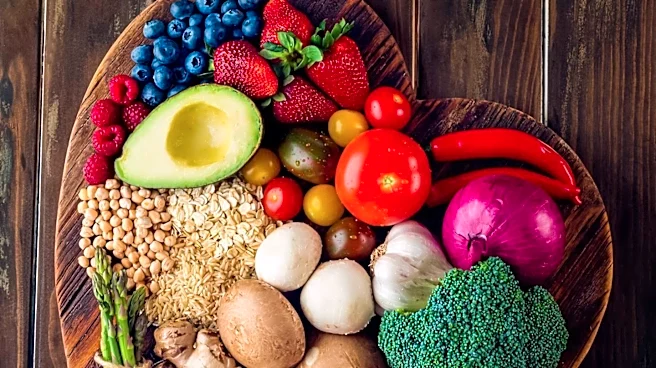
A new study conducted by researchers at Harvard T.H. Chan School of Public Health, Boston Children’s Hospital, and Harvard Pilgrim Health Care Institute has found a significant association between a mother's adherence to a healthy, Mediterranean-style
diet during pregnancy and a lower risk of her infant developing colic and eczema. The study, published on October 12 in JAMA Network Open, analyzed data from over 1,300 pregnant women in Eastern Massachusetts who participated in the Project Viva study between 1999 and 2002. Participants completed regular food questionnaires, which were scored based on the Mediterranean Diet Score (MDS) and the Dietary Inflammation Index (DII). The findings indicated that infants of mothers with higher MDS scores had a 15% reduced risk of experiencing both colic and eczema, while higher DII scores were associated with a 34% increased risk. Additionally, consuming seafood weekly during pregnancy was linked to a 25% lower chance of infants having both conditions. Other common allergenic foods like dairy, eggs, and nuts did not show a similar correlation.
Why It's Important?
This research offers crucial insights into the potential long-term health implications of maternal diet during pregnancy, particularly concerning infant allergic conditions. The study highlights that babies who experience both colic and eczema in infancy may face a higher risk of developing various allergies later in life, including asthma, seasonal rhinitis, and food allergies. By identifying a link between a Mediterranean diet and reduced risk, the findings underscore the importance of prenatal nutrition as a preventative measure. This could influence dietary recommendations for pregnant women, potentially leading to improved infant health outcomes and a reduction in the prevalence of allergic conditions. The emphasis on seafood consumption also provides a specific dietary component that could be promoted. The study's implications extend to public health programs and services, such as WIC and SNAP, and 'food is medicine' initiatives, by providing evidence to support policies that facilitate access to healthy nutrition for pregnant women.
What's Next?
The findings of this study are expected to inform future dietary guidelines and public health initiatives aimed at pregnant women. Health organizations and healthcare providers may increasingly emphasize the benefits of a Mediterranean-style diet, including regular seafood consumption, during pregnancy to mitigate the risk of infant colic and eczema. Further research may explore the specific mechanisms through which this diet influences infant health and investigate whether interventions promoting such diets during pregnancy can effectively reduce the incidence of these conditions. Policy discussions could also arise regarding how to best support pregnant women, especially those facing financial or structural barriers, in accessing healthy and balanced nutrition. This could involve expanding or refining existing federal programs and health plan initiatives to ensure that healthy food options are more readily available and affordable for expectant mothers across the U.S.
Beyond the Headlines
Beyond the immediate health benefits for infants, this study touches upon broader societal and economic implications. The potential reduction in infant colic and eczema could lead to decreased healthcare costs associated with treating these conditions and related allergies in childhood. Furthermore, improved infant health can positively impact parental well-being, reducing stress and improving quality of life for families. The study also subtly reinforces the concept of 'food as medicine,' advocating for a holistic approach to health that integrates nutrition into preventative care. Ethically, the findings underscore the responsibility of healthcare systems and policymakers to ensure equitable access to nutritious food, recognizing that socioeconomic factors often dictate dietary choices. This research could also stimulate further investigation into the gut microbiome's role in mediating the effects of maternal diet on infant immunity and allergic responses, opening new avenues for understanding and preventing childhood allergies.