




What's Happening?
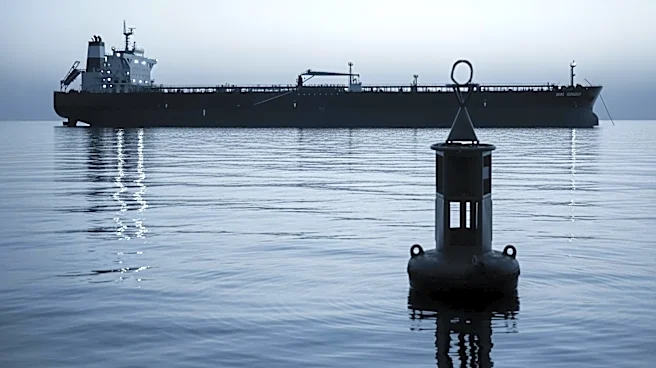
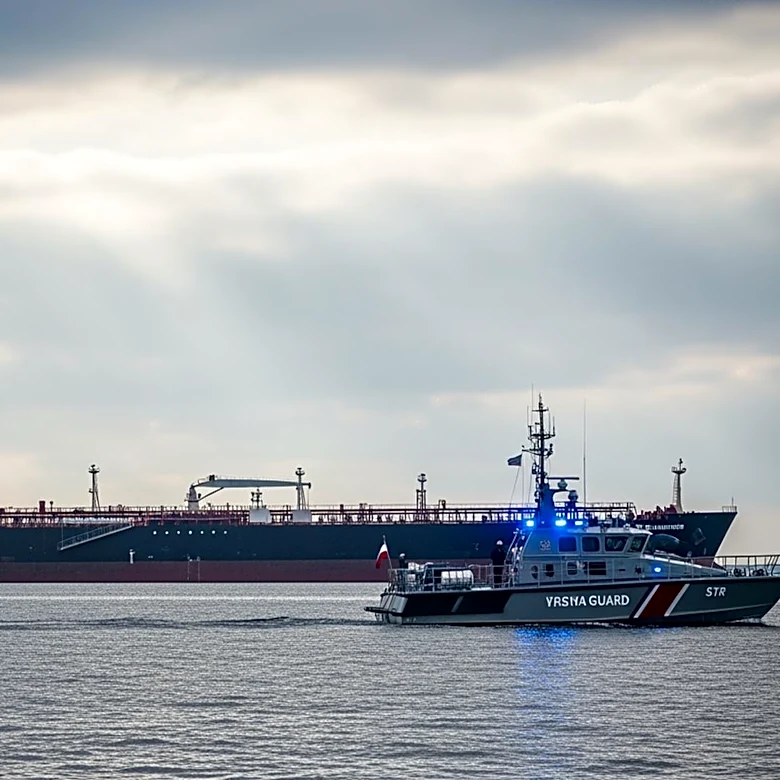
Sweden's coast guard has detained a tanker in the Baltic Sea, suspected of being part of a Russian shadow fleet evading Western sanctions. The vessel, Jin Hui, is believed to be falsely flagged and lacks proper seaworthiness and insurance. It is included
on sanctions lists from the EU, UK, and Ukraine. The tanker has a history of port state control issues and has been involved in extensive trading across various jurisdictions, indicating potential violations of international sanctions. This action is part of a broader effort by Nordic and European countries to disrupt the operations of tankers that operate outside international regulatory frameworks.
Why It's Important?
The detention of Jin Hui underscores the challenges in enforcing international sanctions and the complexities of maritime trade. By targeting vessels that operate under false flags and evade sanctions, Sweden and other European nations aim to uphold international law and prevent the circumvention of economic restrictions. This move is significant in the context of ongoing geopolitical tensions, particularly with Russia, and highlights the importance of maritime security and regulatory compliance. The actions taken by Sweden could lead to increased scrutiny of shipping practices and impact global trade routes.
What's Next?
Sweden and other European countries are likely to continue their efforts to monitor and detain vessels suspected of sanctions evasion. This could lead to further legal actions and increased international cooperation to address the issue. The situation may also prompt discussions on enhancing maritime security measures and improving the enforcement of international regulations. Russia's response to these actions could further escalate tensions, and the international community will be watching closely for any developments.