
What's Happening?
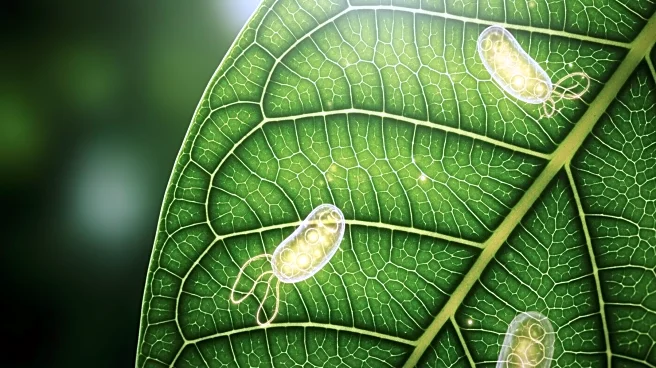
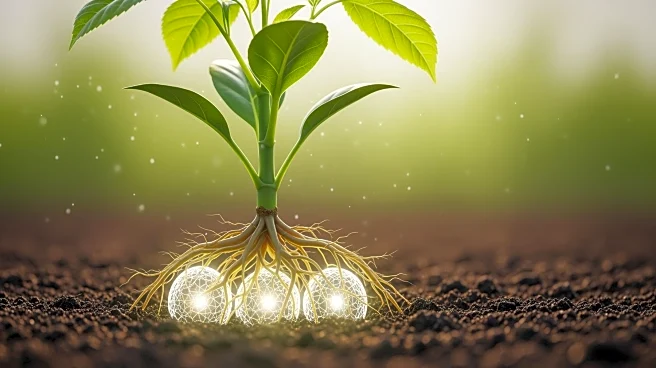
Researchers have made a breakthrough in developing plants that can fertilize themselves, potentially reducing the need for industrial nitrogen fertilizers. By altering a plant immune protein, scientists have enabled plants to welcome nitrogen-fixing bacteria,
which convert atmospheric nitrogen into nutrients. This discovery, demonstrated in the legume Lotus japonicus, could lead to crops that rely less on synthetic fertilizers, thereby reducing environmental impact. The research highlights the potential for significant agricultural advancements through genetic modifications that promote natural plant-bacteria partnerships.
Why It's Important?
This development is crucial for sustainable agriculture, as it addresses the environmental challenges posed by traditional fertilizer use. Industrial nitrogen fertilizers contribute to waterway pollution and greenhouse gas emissions. By creating self-fertilizing crops, the agricultural sector could significantly reduce its ecological footprint. This innovation not only promises to enhance crop yields but also supports global efforts to combat climate change and preserve natural resources. The potential to apply this technology to staple crops like barley could revolutionize farming practices worldwide.