







What's Happening?
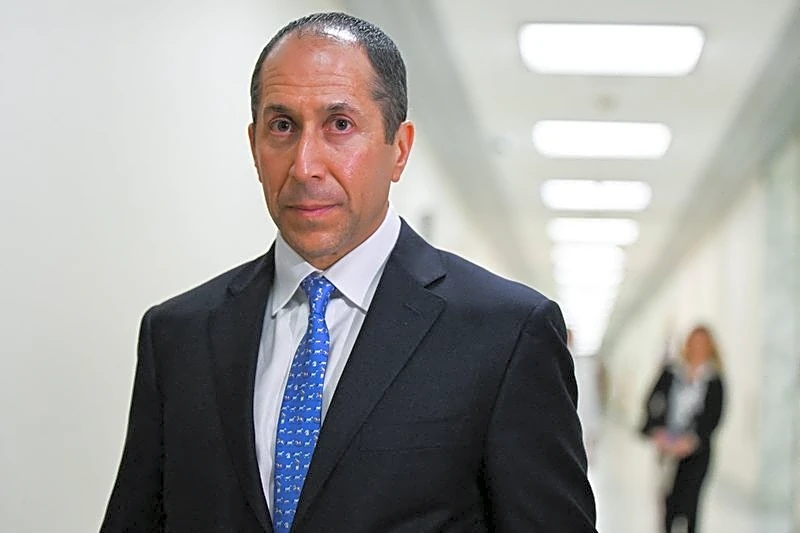
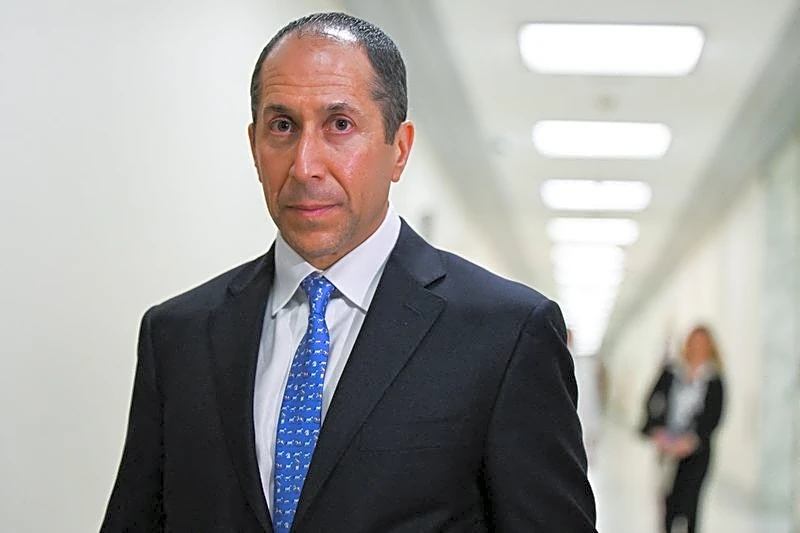
Bard College's Board of Trustees has released a forensic analysis by cybersecurity firm FTI Consulting, which concludes there is a 'strong substantive basis for questioning the authenticity, integrity, and origin' of a disputed email allegedly sent by former
Bard President Leon Botstein to Jeffrey Epstein. The email, which surfaced in the Epstein files, contained a suggestive question about one of Epstein's victims. Botstein has consistently denied writing or sending this specific email, though his name appears over 2,500 times in the Epstein files. The FTI report found that the disputed emails did not exist on Bard's servers as far back as a 2017 migration and raised questions about formatting discrepancies in the email chain, suggesting potential alteration. However, the report also noted that a message deleted before the 2017 migration or not successfully transferred would not have been found.
Why It's Important?
This report is significant as it introduces doubt about a key piece of evidence linking a prominent academic figure, Leon Botstein, to Jeffrey Epstein's sex trafficking schemes. The findings could impact public perception of Botstein and Bard College, which has faced scrutiny since the allegations emerged. For institutions, it highlights the complexities of digital forensics and the challenges of verifying historical electronic communications, especially when server migrations or deletions are involved. The report's nuanced conclusions, while not definitively clearing Botstein, provide a basis for his continued denial and could influence ongoing discussions about accountability for individuals mentioned in the Epstein files. It also underscores the difficulty in establishing definitive facts in cases involving digital evidence from years past.
What's Next?
Despite the FTI report, questions remain, particularly regarding other emails involving Botstein in the Epstein files and whether he deleted any messages. Congressman Jamie Raskin, who initially brought attention to the disputed email, may continue his investigation, potentially seeking further clarification or additional evidence. Bard College has stated its commitment to transparency and due process, and the report's release is part of that effort. The college recently appointed a new president, Marvin Krizlav, signaling a move forward. However, the broader implications of the Epstein files for individuals and institutions will likely continue to unfold, with ongoing calls for accountability and transparency from various stakeholders.
Beyond the Headlines
The Bard College situation delves into the ethical and legal complexities of guilt by association and the challenges of reputation management in the wake of high-profile scandals. It raises questions about the responsibility of institutions to investigate allegations against their leaders, even when direct evidence is ambiguous. The forensic analysis, while detailed, illustrates the limitations of technology in definitively proving or disproving past digital actions, especially when data retention policies or system changes are factors. This case contributes to a larger conversation about how society and legal systems should approach allegations stemming from the Epstein files, particularly when the evidence is circumstantial or subject to technical interpretation. It also highlights the enduring impact of such scandals on individuals' careers and institutional integrity.