



What's Happening?
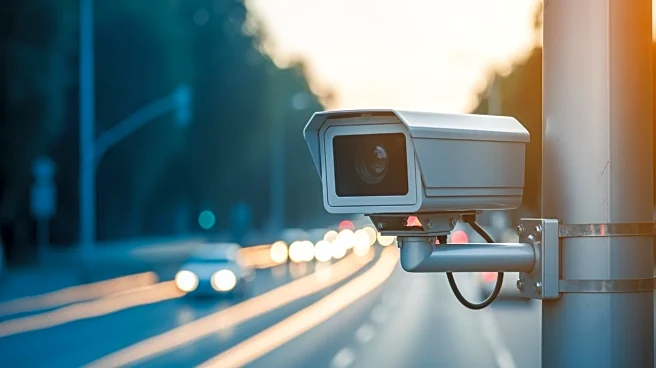
The Trump administration has announced a restriction on the use of federal road safety grants for automated traffic enforcement cameras, such as those used to enforce speed limits and other traffic laws. This decision is part of a broader shift away from
safety measures that could slow or inconvenience car travel. The U.S. Department of Transportation has communicated to city officials that traffic cameras outside of school or work zones will not be approved under the Safe Streets and Roads for All program, which was established by the 2021 infrastructure law to fund projects aimed at eliminating traffic deaths. The administration argues that these cameras are often used for revenue generation rather than safety. Additionally, proposals to extend sidewalk curbs into roadways are also restricted, except in specific cases like transit stops and school zones. The decision has sparked criticism from transportation safety advocates who argue that these cameras are proven to reduce crashes and fatalities.
Why It's Important?
This policy shift could have significant implications for urban traffic safety across the United States. Automated traffic enforcement cameras have been shown to effectively reduce traffic violations and improve road safety. By limiting federal funding for these tools, cities may face challenges in maintaining or expanding their traffic safety programs. The decision reflects a prioritization of vehicle capacity over pedestrian and cyclist safety, potentially leading to increased traffic incidents. Moreover, the move could discourage cities from pursuing innovative traffic management solutions, impacting efforts to reduce road fatalities. The restriction may also signal a broader federal stance against measures perceived as hindering car travel, affecting urban planning and public safety strategies.
What's Next?
Cities that have been awarded grants but have not yet signed agreements with the federal government may see their funds retracted. This could lead to a reevaluation of traffic safety strategies at the local level. Transportation safety advocates and city officials may push back against the restrictions, seeking alternative funding sources or lobbying for policy changes. The decision may also influence future infrastructure and transportation policy discussions, particularly regarding the balance between vehicle capacity and road safety. As cities adapt to these changes, the effectiveness and public acceptance of alternative traffic enforcement methods will be closely monitored.