




What's Happening?
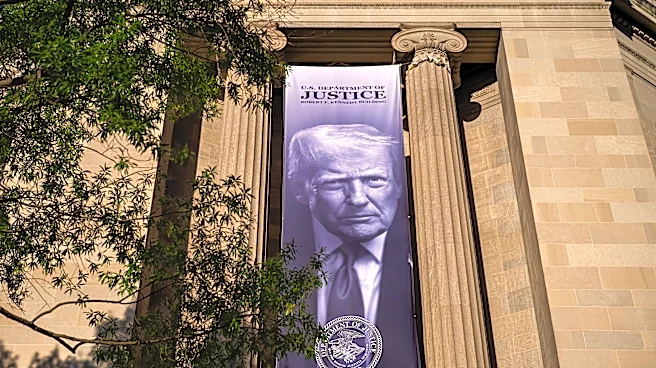
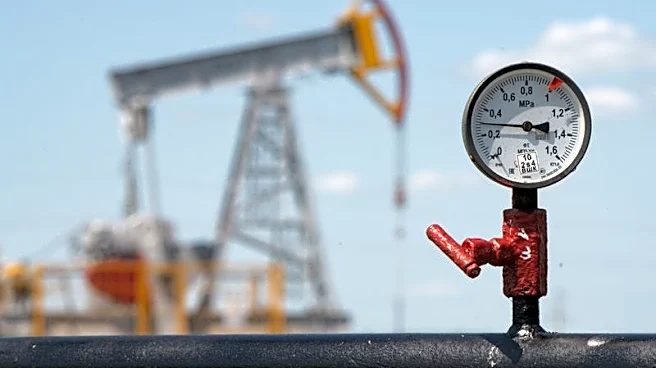
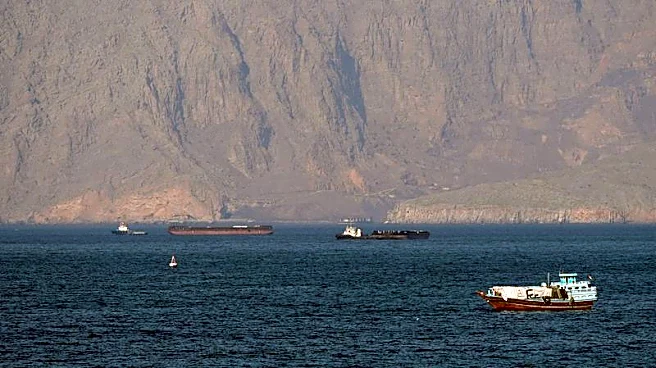
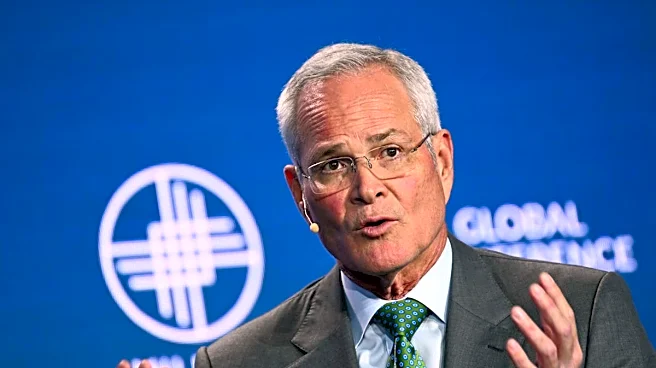
Top oil industry executives have issued a warning to President Trump and his administration about the potential for a significant increase in gas prices. This warning comes as fuel stockpiles have reportedly reached dangerously low levels, exacerbated
by the closure of the Strait of Hormuz due to ongoing tensions with Iran. The executives, speaking anonymously, have communicated their concerns to top administration officials, highlighting the urgency of the situation. Despite these warnings, the White House has dismissed the claims, stating that no such discussions about inventory levels have taken place. The administration maintains that it has anticipated short-term market disruptions and has plans in place to mitigate any impacts. Meanwhile, major oil companies like Exxon Mobil and Chevron have also expressed concerns about the potential for rising pump prices if stockpiles continue to decline.
Why It's Important?
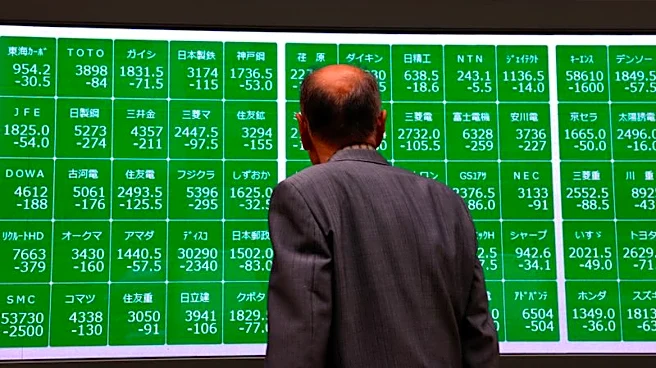
The potential spike in gas prices could have significant economic implications for the United States, affecting both consumers and businesses. Higher fuel costs can lead to increased transportation and production expenses, which may be passed on to consumers in the form of higher prices for goods and services. This situation could also impact President Trump's approval ratings, as rising gas prices are often a point of contention for voters. The administration's handling of the situation and its ability to stabilize fuel prices could influence public perception and political outcomes, especially with upcoming elections. Additionally, the situation underscores the vulnerability of global oil markets to geopolitical tensions, particularly in regions like the Middle East.
What's Next?
If the situation with Iran and the closure of the Strait of Hormuz persists, the administration may need to explore alternative strategies to stabilize fuel prices and ensure adequate stockpiles. This could involve diplomatic efforts to reopen the strait or increase domestic oil production. The administration's response to this potential crisis will be closely watched by both domestic and international stakeholders. Furthermore, the oil industry may need to adjust its strategies to cope with potential supply disruptions and price volatility.