







What's Happening?
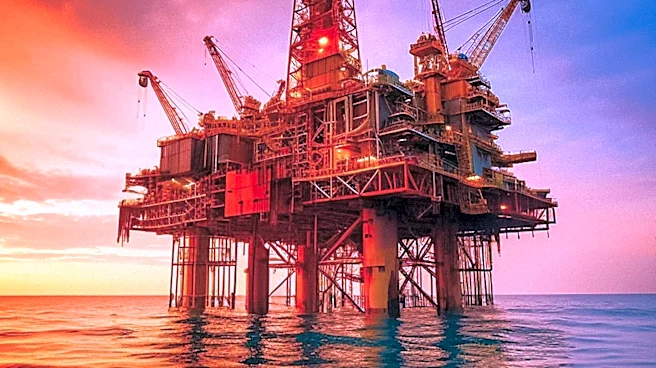
The Food and Agriculture Organization (FAO) of the United Nations has reported that world cereal prices have reached a 19-month high, driven by increased costs of fuel and fertilizer. The blockade of the Strait of Hormuz, a critical shipping route, has exacerbated
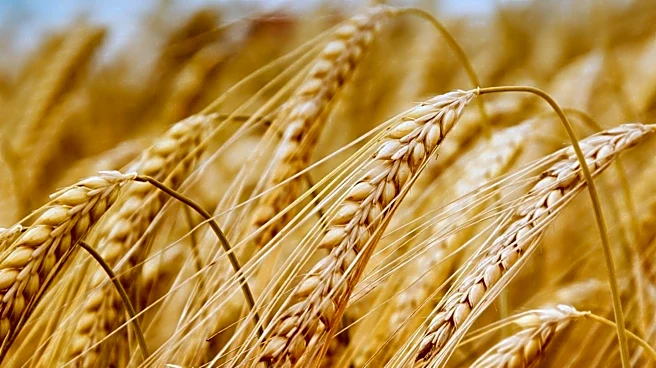
these cost pressures. The FAO's monthly report highlights the vulnerability of global food prices to disruptions in energy and input markets. The report notes that while the overall FAO food index saw a slight dip, the cereals index rose significantly, reflecting higher prices for wheat, maize, and rice. The situation underscores the need for coordinated international action to address these challenges.
Why It's Important?
The rise in cereal prices has significant implications for global food security, particularly in regions heavily reliant on imports. Higher food prices can lead to increased inflation and economic instability, affecting both consumers and producers. The situation also highlights the interconnectedness of global supply chains and the impact of geopolitical tensions on food markets. For the US, this could mean higher costs for imported food products and increased pressure on domestic agricultural production to meet demand.
What's Next?
International efforts may be needed to ensure the stability of key trade routes and to address the underlying causes of rising input costs. This could involve diplomatic negotiations to resolve conflicts affecting trade routes and investments in alternative supply chains. Additionally, countries may need to explore ways to increase domestic production and reduce reliance on imports. The FAO's call for coordinated action suggests that multilateral cooperation will be crucial in addressing these challenges.