




What's Happening?
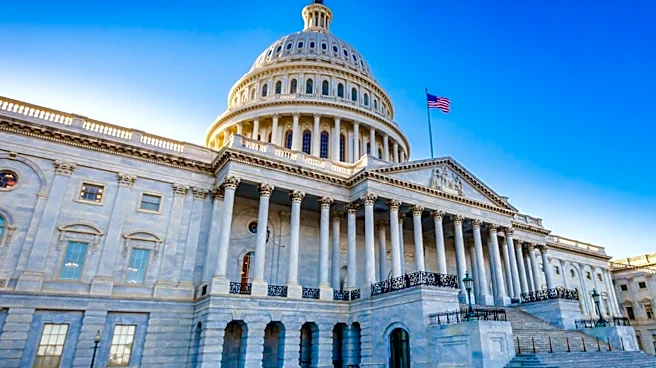
U.S. Representatives Paul Tonko and Kat Cammack have introduced the bipartisan TIME Act of 2026, a legislative proposal aimed at updating federal rules governing the temporary international movement of elite competition and racehorses. The bill directs
the U.S. Department of Agriculture (USDA) to establish a science-based, risk-based framework for these movements. The proposed measure seeks to align U.S. requirements with internationally recognized standards while maintaining existing health and biosecurity protections. Key provisions of the bill include expedited entry procedures, modified quarantine rules, and reduced duplicative oversight for lower-risk horses. This initiative is supported by organizations such as the American Horse Council, which believes the bill will help the U.S. remain a competitive destination for international horse competitions, particularly in anticipation of events like the 2028 Los Angeles Olympics.
Why It's Important?
The TIME Act of 2026 is important for the U.S. equine industry and its international standing. By modernizing federal rules for the temporary movement of elite horses, the bill aims to streamline processes that are currently perceived as cumbersome and potentially detrimental to the U.S.'s ability to host major equestrian events. The current regulations can create barriers for international participants, impacting the competitiveness and prestige of U.S.-hosted competitions. Aligning U.S. standards with international norms could attract more high-profile events and participants, boosting the economic activity associated with the equine industry, including breeding, training, and related services. Furthermore, by focusing on a science-based, risk-based framework, the legislation seeks to balance the need for efficient movement with the critical importance of biosecurity and animal health, protecting both the U.S. equine population and the integrity of international competitions.
What's Next?
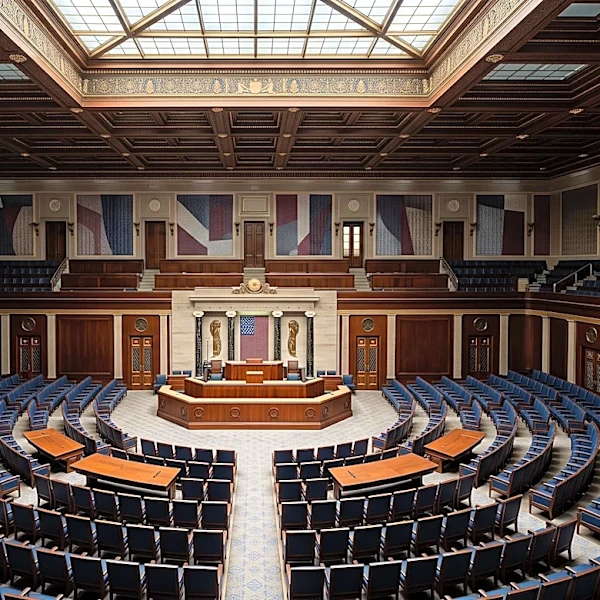
The next step for the TIME Act of 2026 will involve its progression through the legislative process in Congress. As a bipartisan bill, it may garner broader support, increasing its chances of being enacted into law. If passed, the USDA would be tasked with developing and implementing the new science-based, risk-based framework, which would involve detailed rulemaking and coordination with international bodies. The equine industry, including organizations like the American Horse Council, will likely continue to advocate for its passage and work with the USDA during the implementation phase. The success of this legislation could significantly influence the U.S.'s capacity to host future international equestrian events, potentially leading to increased participation and economic benefits for the sector.
Beyond the Headlines
Beyond the immediate practical benefits for the equine industry, the TIME Act of 2026 touches upon broader themes of international cooperation and the harmonization of regulatory standards. In an increasingly globalized world, the movement of animals, goods, and people often faces complex and sometimes conflicting national regulations. This bill represents an effort to reduce such friction in a specific, high-value sector. It highlights the economic and cultural importance of elite equestrian sports and the need for governmental policies to adapt to global best practices while safeguarding national interests, such as biosecurity. The act also underscores the role of scientific principles in informing regulatory decisions, moving towards a more evidence-based approach to managing international animal movements rather than relying on potentially outdated or overly broad restrictions. This could set a precedent for other sectors requiring international movement of specialized assets.