




What's Happening?
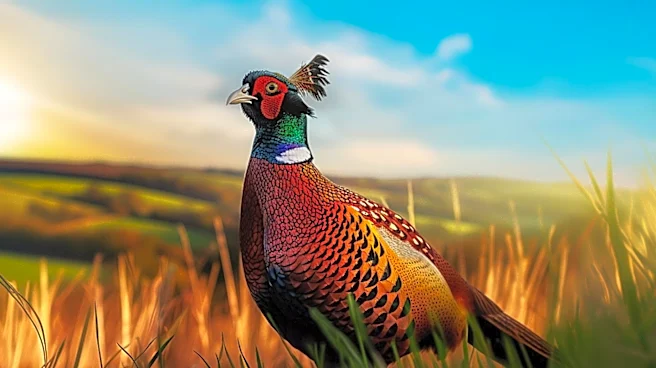
Hunters from across the country are traveling to North Dakota for the opening of pheasant hunting season. Many arrived at the Bismarck airport on Friday, anticipating the start of the season. For some, the primary goal is to harvest meat, while for others,
the experience is more about camaraderie and spending time with friends. Brink Wolak, a hunter, emphasized the social aspect, stating, “I think it’s not even the hunting; it’s just so much of the camaraderie, getting together.” North Dakota Game and Fish expects between 40,000 to 60,000 hunters to participate throughout the season, which runs from October through the first weekend in January. The state's picturesque landscape is a significant draw for out-of-town visitors, with one hunter, Peter Arcuri, noting his first experience with North Dakota's fall foliage. Despite unusually dry summer conditions, Jesse Kolar from North Dakota Game and Fish assured that pheasant numbers are robust, particularly in the southwest, where populations are as high as they were in 2016, a previous peak year.
Why It's Important?
The annual pheasant hunting season in North Dakota holds significant economic and social importance for the state. The influx of 40,000 to 60,000 hunters from across the country translates into substantial revenue for local businesses, including hotels, restaurants, gas stations, and sporting goods stores. This tourism boost provides a critical economic stimulus, particularly for rural communities that might otherwise experience slower economic activity. Socially, the hunting season fosters a sense of community and tradition, as many participants view it as an opportunity to reconnect with friends and family. The emphasis on conservation, as mentioned by Brink Wolak, also highlights the role of hunters in supporting wildlife management efforts and preserving natural habitats. Furthermore, the robust pheasant numbers, despite challenging weather conditions, underscore the effectiveness of North Dakota Game and Fish's wildlife management strategies, ensuring the sustainability of this popular recreational activity for years to come.
What's Next?
The pheasant hunting season will continue from October through the first weekend in January, allowing hunters ample time to participate. North Dakota Game and Fish will continue to monitor pheasant populations and hunter activity throughout this period. Hunters can purchase pheasant licenses through the end of the year. A key focus for the remainder of the season will be safety, particularly due to the unusually dry summer. North Dakota Game and Fish is urging all participants to exercise extreme caution with campfires, grills, and any other outdoor activities that could potentially spark a fire. This emphasis on fire safety is crucial to prevent wildfires and protect the state's natural resources and communities. The success of this season, both in terms of hunter satisfaction and conservation, will inform future planning and management strategies for wildlife resources in North Dakota.
Beyond the Headlines
Beyond the immediate economic and recreational benefits, the pheasant hunting season in North Dakota reflects deeper cultural and environmental narratives. The tradition of hunting, often passed down through generations, connects individuals to the land and fosters an appreciation for wildlife and natural ecosystems. The camaraderie experienced by hunters speaks to the social fabric of rural America, where shared outdoor activities strengthen community bonds. Environmentally, the success of the pheasant population, despite a dry summer, highlights the resilience of wildlife and the importance of habitat preservation. It also underscores the ongoing challenges posed by climate variability and the need for adaptive management strategies in conservation. The call for fire safety due to dry conditions serves as a stark reminder of the increasing risks associated with climate change and the collective responsibility to protect natural landscapes. This annual event, therefore, is not just a hunt but a complex interplay of economic activity, social tradition, and environmental stewardship.