
What's Happening?
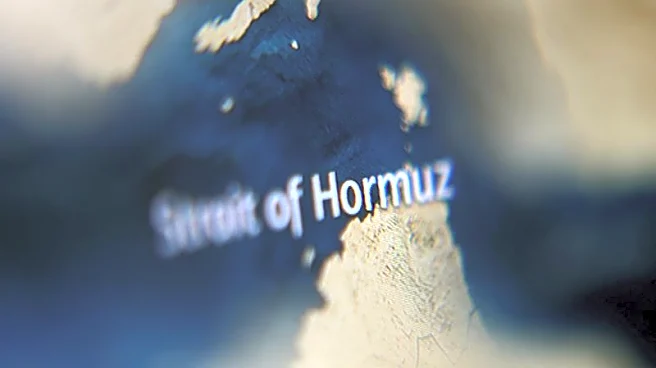
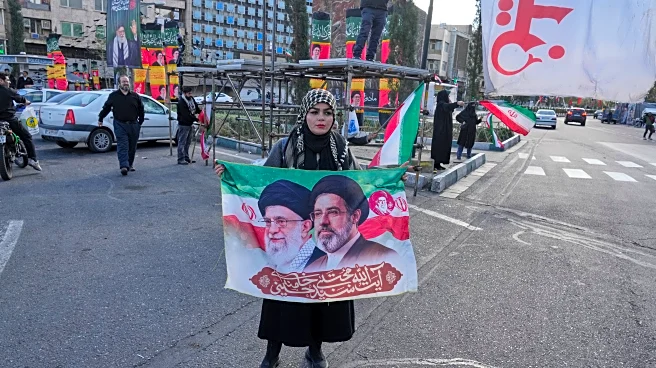
Iran is using the strategic Strait of Hormuz as leverage in its ongoing conflict with the United States and Israel. Iranian officials have indicated that they will not cease disruptions to international shipping unless attacks on Iran are halted. The
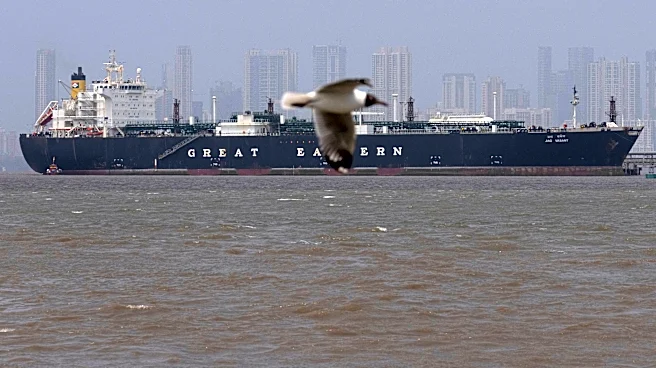
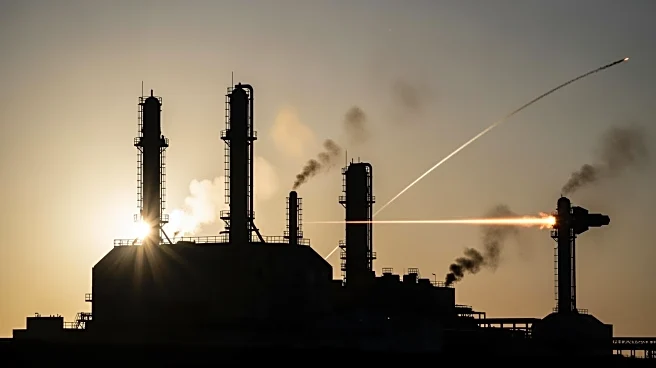
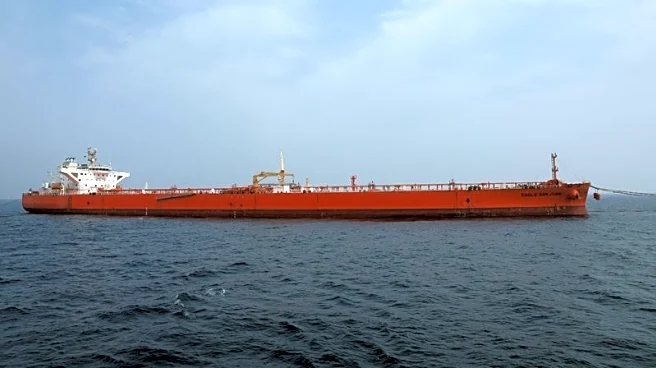
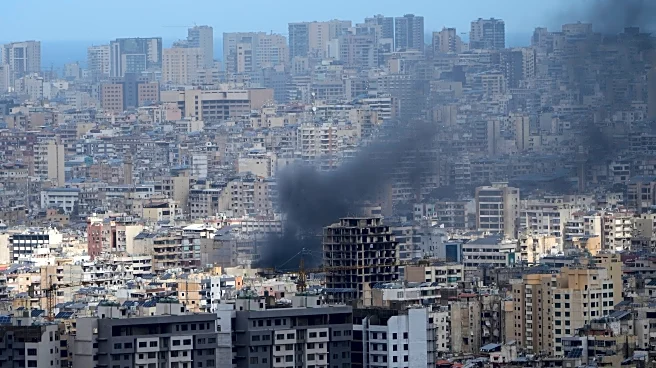
strait, a critical chokepoint for global oil shipments, has been a focal point in Iran's strategy to extract concessions. Recent attacks on shipping vessels and military strikes highlight the escalating tensions in the region, with Iran demonstrating its capability to disrupt global trade routes.
Why It's Important?
The Strait of Hormuz is a vital artery for the global oil supply, and any disruption can have significant implications for international energy markets. Iran's actions could lead to increased oil prices and heightened geopolitical tensions, affecting global economic stability. The situation also underscores the strategic importance of the strait and the potential for conflict to impact global trade. The international community, particularly countries reliant on oil imports, may face economic repercussions if the conflict escalates further.
What's Next?
The United Nations Security Council is expected to vote on a resolution to protect shipping in the Strait of Hormuz. This could lead to increased international military presence in the region to ensure the free flow of trade. Meanwhile, diplomatic efforts may intensify to de-escalate tensions and reach a ceasefire agreement. The outcome of these developments will be crucial in determining the future stability of the region and the global oil market.