






What's Happening?
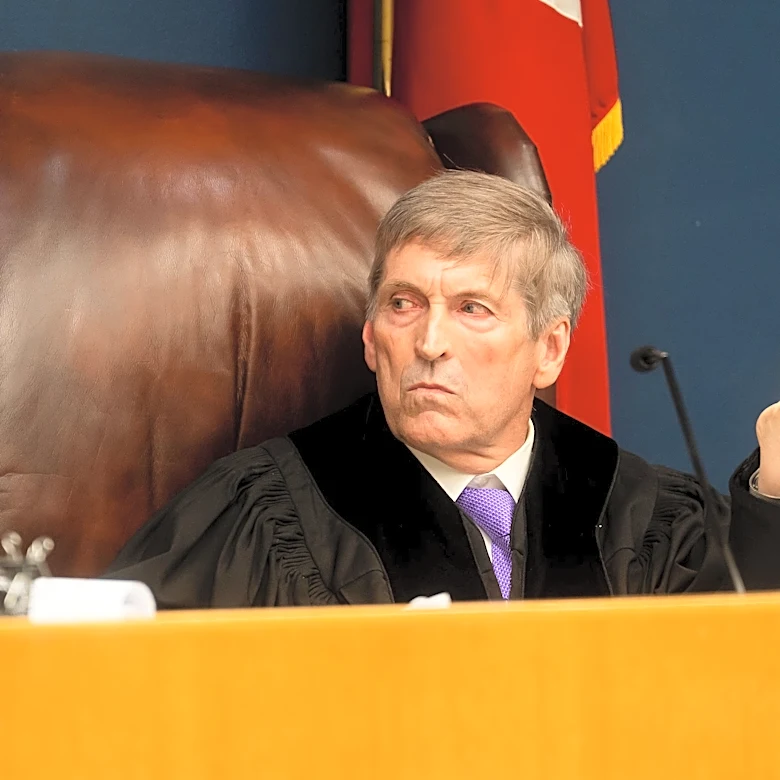
A Pittsburgh attorney, Paul Robinson, has been charged in connection with a cocaine drug trafficking operation involving 13 Pennsylvania State University students, including his son, Thomas Robinson. The Pennsylvania Attorney General, Dave Sunday, announced
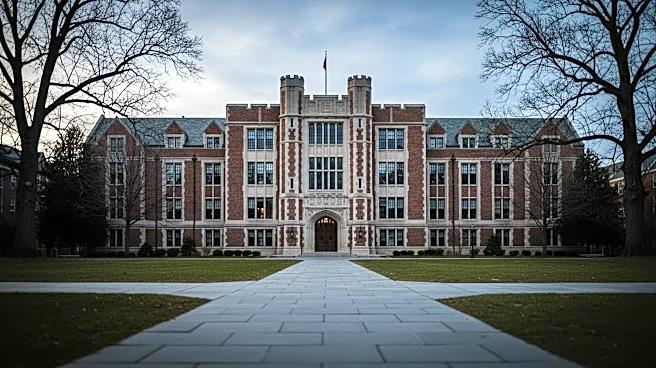
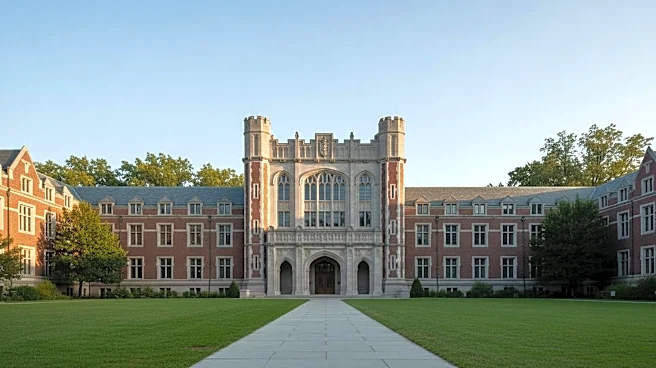
on August 17 that 14 individuals were charged following an investigation into drug trafficking activities that occurred in 2023 and 2024. Paul Robinson, the only non-student charged on August 17, is accused of felony tampering, hindering apprehension, and obstructing the investigation by concealing evidence, including a safe containing drugs and cash. The drug dealing primarily took place at the Delta Upsilon and Sigma Chi fraternity houses, involving the cutting and packaging of large amounts of cocaine. Sunday clarified that there was no evidence of drug packaging on the Penn State campus itself, and the dealing was largely among friends and fraternity members. None of the students involved are currently enrolled at the university. Agostino Abbatiello and Thomas Robinson are alleged to be the main suppliers, making regular trips to Philadelphia and New York for drugs.
Why It's Important?
This case highlights the serious issue of drug trafficking within university communities and the potential involvement of individuals beyond the student body, including professionals like attorneys. The charges against Paul Robinson underscore the legal and ethical responsibilities of individuals, particularly those in positions of trust, and the severe consequences of attempting to obstruct justice. The alleged operation, centered around fraternity houses, raises concerns about the culture and oversight within collegiate social organizations and the vulnerability of students to drug-related activities. The involvement of an attorney in concealing evidence could have broader implications for the legal profession, potentially leading to disbarment and damaging public trust in legal practitioners. Furthermore, the case brings attention to the supply chains of illegal drugs, with alleged leaders making trips to major cities to acquire narcotics, indicating a wider network of drug distribution impacting communities.
What's Next?
The legal proceedings against Paul Robinson and the 13 former Penn State students will continue, with further court dates and potential trials. Paul Robinson faces charges of felony tampering, hindering apprehension, and obstructing an investigation, which could lead to significant legal penalties. The law firm Meyer, Darragh, Buckler, Bebenek & Eck, PLLC, where Robinson is an attorney, has stated it is reviewing the circumstances and that the allegations concern Robinson individually, not the firm or its clients. This suggests potential internal actions by the firm, in addition to the criminal proceedings. The university and fraternity organizations involved may face increased scrutiny and potentially implement stricter policies regarding drug use and member conduct. The investigation may also expand to identify and dismantle the broader drug supply networks that allegedly provided the cocaine to the students. The outcome of these cases could set precedents for how similar incidents are handled in university settings and within the legal profession.
Beyond the Headlines
This incident delves into the complex interplay of personal responsibility, professional ethics, and the societal challenges of drug abuse, particularly within collegiate environments. The alleged involvement of a parent, an attorney, in attempting to conceal evidence for his son, raises profound ethical questions about parental loyalty versus legal and moral obligations. It also sheds light on the pressures and temptations that can lead individuals from diverse backgrounds to engage in illicit activities. The case could prompt a broader discussion on the role of universities and fraternity systems in fostering responsible behavior and preventing drug trafficking. It also highlights the potential for individuals to leverage their professional knowledge to obstruct justice, underscoring the need for robust legal and ethical frameworks. The long-term implications could include increased awareness campaigns, stricter enforcement of drug laws on and around college campuses, and a reevaluation of the support systems available to students and their families facing such challenges.