




What's Happening?
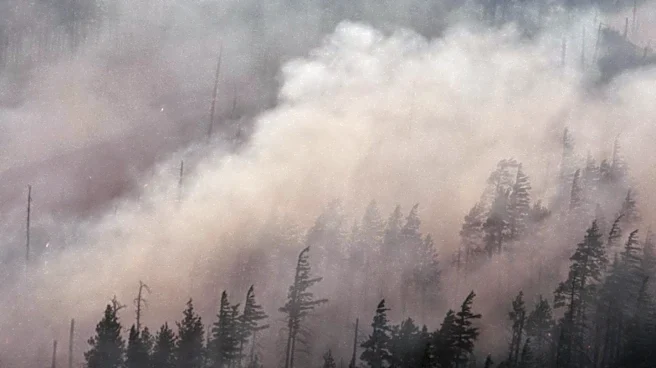
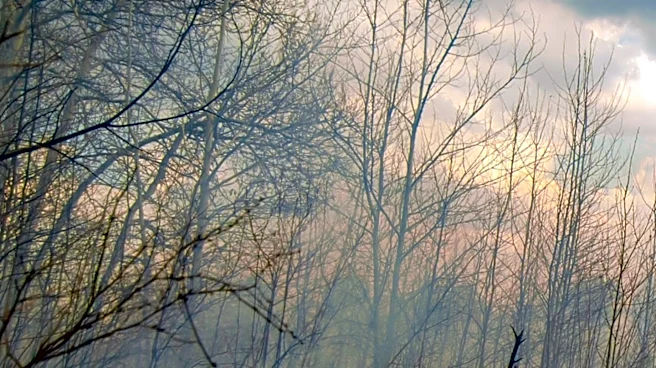
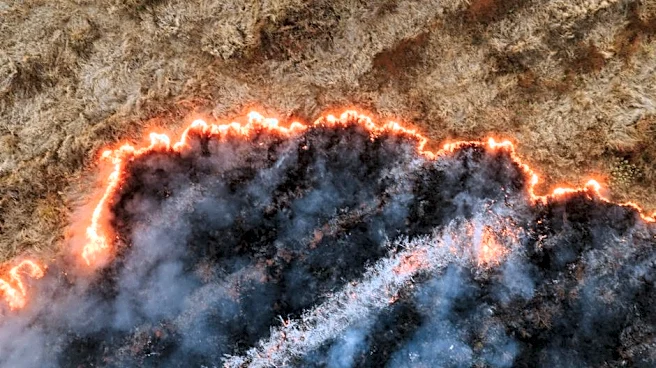
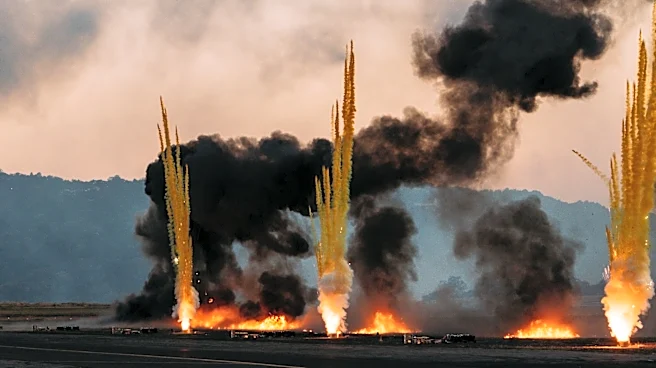
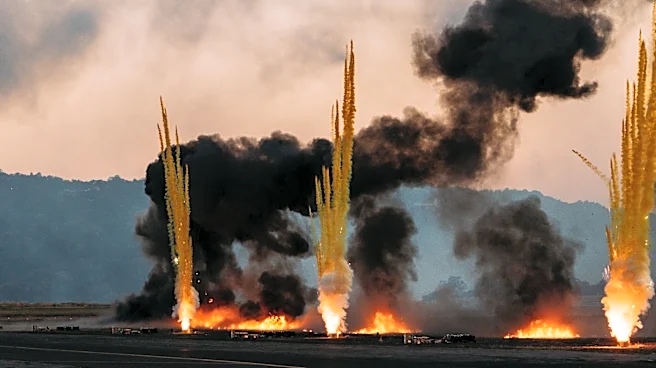
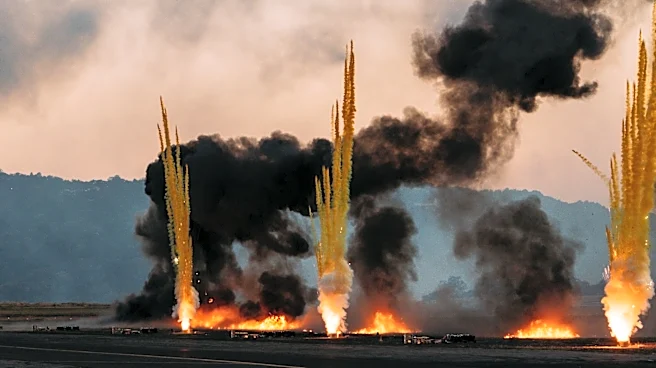
Wildfires are raging across the Southwest United States, with significant blazes reported in Utah, Nevada, and New Mexico. The National Weather Service has issued warnings of 'extremely critical' fire conditions due to gusty winds and dry air. In Utah, the Cottonwood
Fire has expanded to over 92,000 acres and remains uncontained, affecting air quality and prompting evacuations. The Eagle Point ski resort has been damaged, and several smaller fires in the state have led to road closures and power shutoffs. In New Mexico, the McCauley Springs Fire has burned 722 acres, leading to the closure of the Jemez Ranger District. Nevada's Grapevine Fire has forced the closure of Beaver Dam State Park. Arizona is also experiencing fire threats, with the Pocket Fire continuing to burn north of Sedona.
Why It's Important?
The wildfires pose significant risks to public safety, infrastructure, and the environment. The fires have already led to evacuations, road closures, and power outages, disrupting daily life and threatening communities. The economic impact is also considerable, with businesses like the Eagle Point ski resort facing prolonged closures. The fires highlight the increasing frequency and intensity of wildfires in the region, exacerbated by climate conditions such as low snowpack and high temperatures. This situation underscores the need for effective emergency response and resource allocation to manage such disasters. The ongoing fires also raise concerns about air quality, particularly affecting vulnerable populations such as children and the elderly.
What's Next?
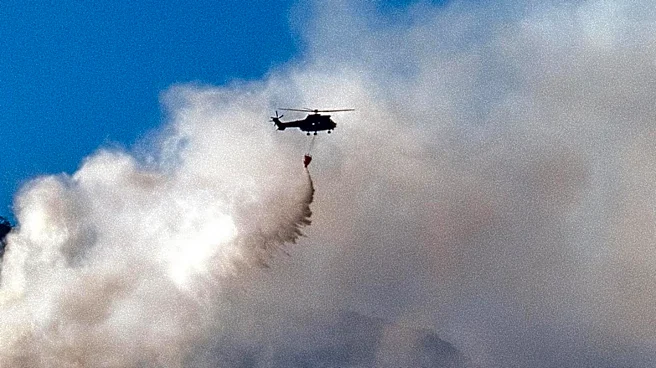
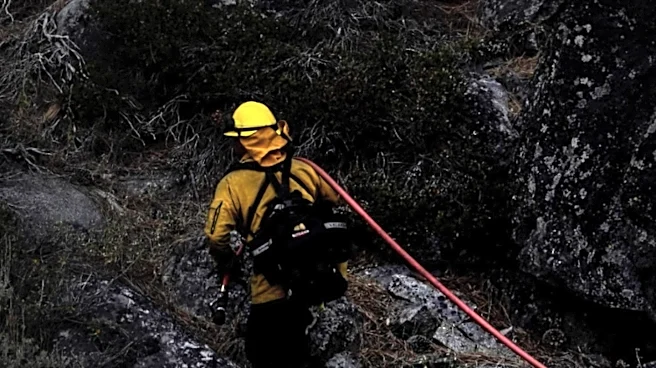
Emergency response teams are working to contain the fires, but resources are stretched thin. Utah Governor Spencer Cox has restricted fireworks statewide to prevent further fire outbreaks. The National Weather Service has issued a red flag warning, indicating life-threatening weather conditions. Arizona Public Service may cut power in high-risk areas to prevent new fires. The situation requires continuous monitoring and coordination among state and local agencies to manage evacuations and provide support to affected communities. Long-term, there may be discussions on improving fire management strategies and addressing climate change impacts.