







What's Happening?
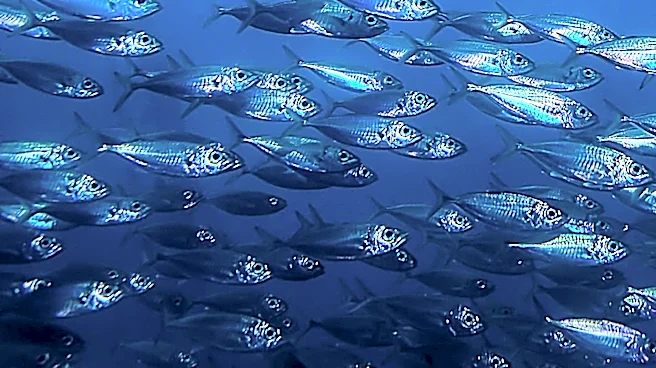
Buckhead Meat Company, operating as Trinity Seafood in Lakewood, New Jersey, voluntarily initiated a recall of nearly 333 pounds of tuna on July 24. This action followed notification from the New Jersey Department of Health that two tuna samples tested
positive for high levels of scombrotoxin. Scombrotoxin can lead to scombroid poisoning, which manifests with symptoms resembling an allergic reaction, including facial flushing, sweating, dizziness, nausea, headache, hives, and abdominal cramps, typically appearing within minutes to two hours after consumption. Severe cases can involve blurred vision, respiratory distress, and swelling of the tongue, according to the FDA. The FDA formally classified this as a Class II recall on September 16, nearly eight weeks after the company's initial action. The affected tuna, packaged in Styrofoam containers marked 'Keep Refrigerated,' was distributed in New Jersey, New York, Connecticut, Pennsylvania, and Maryland. The recall covers 332.9 pounds of tuna sold in various case sizes and carries product code 0004255 with several 'Vat' identifiers.
Why It's Important?
This recall is important for public health, as scombrotoxin poisoning, while often temporary, can cause significant discomfort and, in severe instances, serious health complications. The Class II classification by the FDA indicates that exposure to the recalled product may cause temporary or medically reversible health problems, or that the likelihood of serious adverse health consequences is remote. However, it underscores the critical need for proper food handling and temperature control in the seafood industry to prevent the formation of toxins like scombrotoxin, which develops when certain fish, including tuna, are improperly refrigerated. For consumers in the affected states, awareness of this recall is crucial to avoid potential illness. For the food industry, it serves as a reminder of the stringent safety protocols required to maintain product integrity and consumer trust, highlighting the regulatory oversight exercised by health authorities.
What's Next?
The recall remains ongoing, with no termination date or subsequent update history posted by the FDA. Consumers who may have purchased the affected tuna should check for the specified product code and 'Vat' identifiers and dispose of the product or return it to the place of purchase. The FDA will continue to monitor the recall's effectiveness and ensure that the contaminated product is removed from the market. While no press release was issued by the company, the FDA's formal classification and ongoing record-keeping aim to inform the public and prevent further consumption of the tainted tuna. Future actions may include further investigations into the cause of the high histamine levels to prevent recurrence, and potentially, enforcement actions if regulatory violations are identified.
Beyond the Headlines
The incident highlights broader issues within the food supply chain regarding temperature control and quality assurance, particularly for perishable goods like seafood. The delay between the company's voluntary recall and the FDA's formal classification, while not uncommon, can impact the speed at which consumers are informed and potentially exposed. This event also brings to light the challenges of ensuring consistent safety standards across a multi-state distribution network. The reliance on voluntary recalls, followed by regulatory classification, emphasizes a system that balances industry responsibility with government oversight. Ultimately, such recalls contribute to the ongoing dialogue about food safety regulations, consumer protection, and the responsibilities of food producers and distributors in maintaining public health.