




What's Happening?
Foreign investors reported holding 47.2 million acres of U.S. land by the end of 2024, according to USDA data. This figure includes both owned land and leases of 10 years or more, with 46.3 million acres classified as agricultural land, representing 3.6%
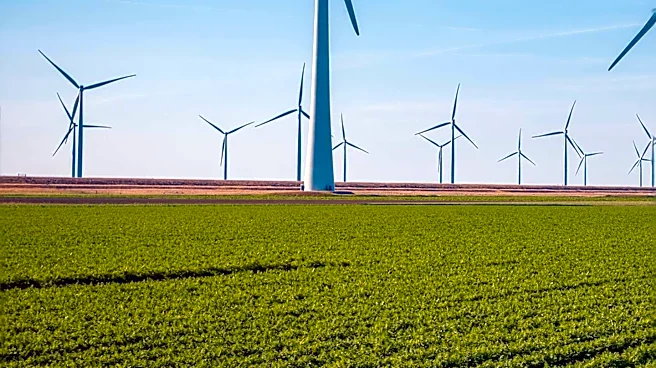
of all privately held farmland. Canada and European countries account for the majority of these holdings, with Canada holding 33.7% and Europe 47.1%. China's holdings are significantly smaller, at 0.5% of the total, and have decreased by about a third since their peak in 2021. The largest portion of foreign-held land, 47% or 22.2 million acres, is forest, primarily timberland. Wind energy leases constitute the next largest segment, accounting for 10.6 million acres, with most of this being leased land where farming continues under existing operators. Texas holds the most foreign-held land at 5.9 million acres, followed by Maine, Colorado, Alabama, and Oklahoma.
Why It's Important?
The composition of foreign land ownership in the U.S. has significant implications for national security, economic policy, and agricultural practices. While the overall acreage is substantial, the breakdown reveals that much of it is dedicated to timber and wind energy, rather than direct agricultural production by foreign entities. This distinction is crucial for understanding the actual impact on food security and domestic farming. The growth in wind energy leases, often involving foreign-backed developers, highlights the increasing foreign investment in renewable energy infrastructure within the U.S. The relatively small and declining share of land held by China, despite public and political concerns, suggests that legislative efforts targeting foreign adversaries may be more proactive than reactive to current land ownership trends. The data also underscores the importance of accurate reporting and enforcement, as the self-reported nature of the USDA's register can lead to inaccuracies and gaps, potentially obscuring the true extent of foreign control.
What's Next?
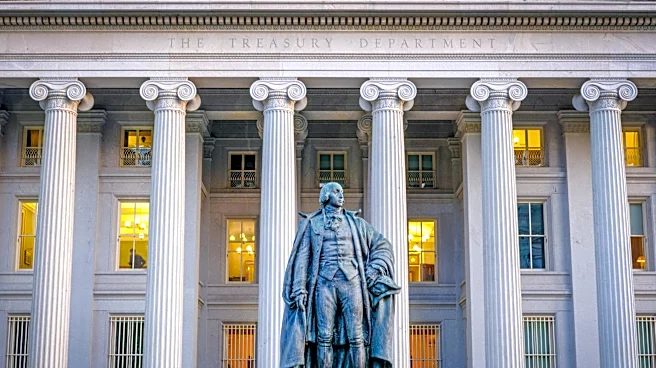
The trend of states enacting laws to restrict foreign ownership of agricultural land is expected to continue, particularly targeting countries deemed foreign adversaries. As of 2025, 29 states have such laws, with 22 having passed new legislation or tightened existing ones since 2023. These laws vary, with some broadly limiting non-resident foreigners and others specifically targeting countries like China, Russia, Iran, and North Korea. Federally, the Treasury Department has expanded the reach of CFIUS to review foreign investments near military sites, and the USDA has launched a National Farm Security Action Plan, including an online filing system for land registers and proposed rules for stricter penalties. Congress is also considering legislation to ban land purchases by buyers from adversary countries. These measures indicate a continued focus on national security concerns related to foreign land ownership, even as the data suggests a limited direct threat from certain nations.
Beyond the Headlines
The narrative surrounding foreign ownership of U.S. farmland often conjures images of foreign entities controlling food production, but the data reveals a more nuanced reality. The significant portion of land dedicated to timber and wind leases suggests that foreign investment is heavily channeled into natural resource management and renewable energy, rather than direct agricultural operations. This shift could lead to long-term implications for land use patterns, potentially accelerating the transition to renewable energy sources and influencing forestry practices. The political response, characterized by state-level restrictions and federal oversight, highlights a broader geopolitical concern about economic ties with certain nations, framing land ownership as a national security issue. This approach may inadvertently impact legitimate foreign investments in sectors vital for U.S. energy independence and resource management, necessitating a balanced policy that addresses security concerns without stifling beneficial economic partnerships.