





What's Happening?
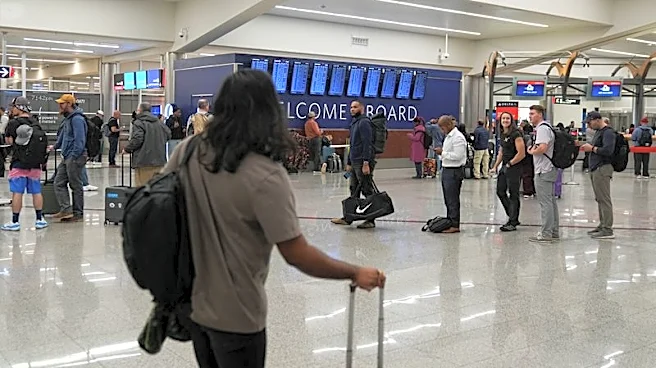
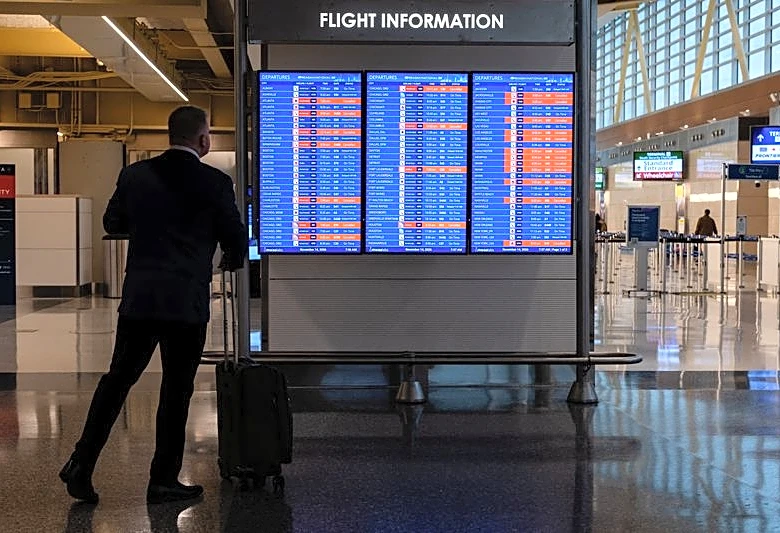
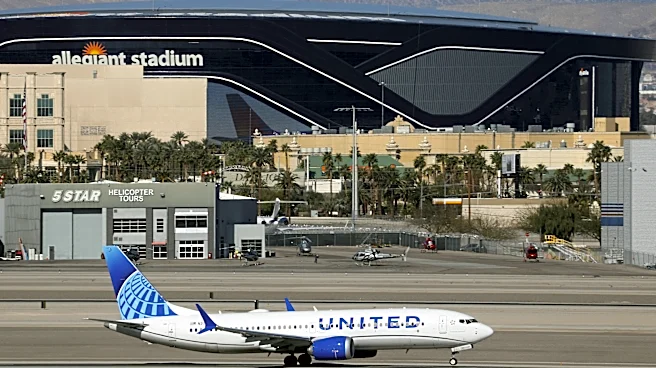
A nationwide ground stop issued by the Federal Aviation Administration (FAA) that affected domestic flights to and from Hawaii was lifted around 3:20 p.m. Friday. The disruption was initially caused by a communications issue impacting air traffic control
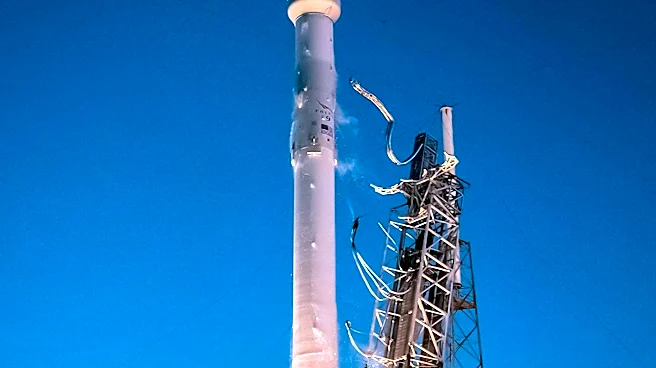
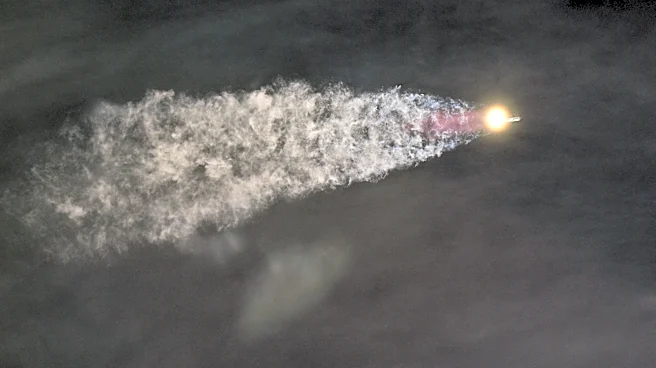
centers. Hawaii Department of Transportation Director Ed Sniffen confirmed that the ground stop, which began around 10:50 a.m. for flights between Hawaii and the continental U.S., had ended. Interisland flights within Hawaii were not affected. Later in the day, all West Coast flights were temporarily halted again due to debris from a SpaceX launch. SpaceX's Starship rocket launched from Texas, but its first-stage booster malfunctioned and aborted, with the spacecraft continuing towards orbit. Airlines, including Hawaiian and Alaska, have implemented flexible travel policies for passengers, acknowledging that it will take time to normalize operations. Nationwide ground stops are rare, with previous instances occurring in January 2023 due to a pilot notification system outage and following the September 11, 2001, attacks.
Why It's Important?
This incident highlights the fragility of critical air travel infrastructure and its susceptibility to both technical malfunctions and external events like space launches. The FAA's nationwide ground stop, a rare occurrence, underscores the potential for widespread disruption to U.S. air travel, impacting thousands of passengers and airline operations. For Hawaii, a state heavily reliant on air travel for tourism and commerce, such disruptions can have significant economic consequences. The dual nature of the disruption—first a communications issue and then space debris—demonstrates the complex challenges faced by air traffic control. The need for airlines to implement flexible travel policies indicates the immediate impact on consumer confidence and the logistical hurdles involved in re-scheduling flights and accommodating stranded passengers. The event also brings to light the ongoing debate about modernizing air traffic control systems, as previous ground stops have also been attributed to outdated technology.
What's Next?
While the ground stop has been lifted, delays are expected to continue as airlines work to accommodate passengers from earlier flights and reposition aircraft. Travelers are advised to check directly with their carriers for the latest updates before heading to the airport, as the situation remains fluid. The Hawaii Department of Transportation indicated that officials were using taxiways and some runways for parking to manage the influx of arriving planes. The FAA and Department of Homeland Security will likely conduct investigations into the communications issue to prevent future occurrences. The incident may also prompt further discussions regarding the coordination between space launch activities and commercial air traffic, especially concerning potential debris fields. Airlines will focus on restoring their schedules and managing passenger rebookings in the coming days.
Beyond the Headlines
The incident raises broader questions about the resilience of national infrastructure in the face of technological vulnerabilities and the increasing complexity of airspace management. The temporary halt of flights due to space debris from a commercial launch points to an emerging challenge as private space exploration expands. This intertwining of commercial space operations with civilian air travel necessitates robust regulatory frameworks and real-time communication protocols to ensure safety and minimize disruption. Furthermore, the reliance on older technology within the air traffic control system, as implied by past incidents, suggests a need for significant investment in modernization. The economic impact on tourism-dependent regions like Hawaii, even from temporary disruptions, could lead to calls for more resilient systems and contingency plans to mitigate financial losses and maintain essential connectivity.