







What's Happening?
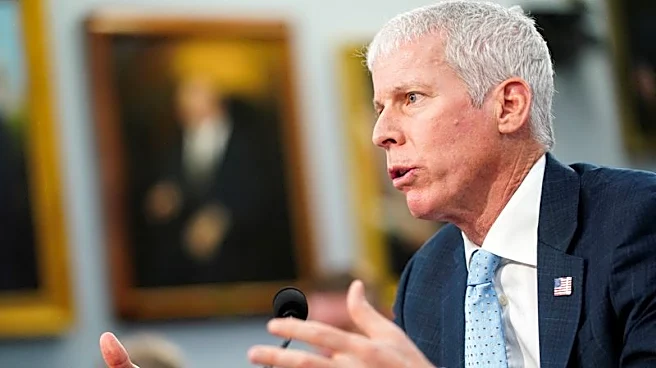
U.S. Senator Mike Crapo, who chairs the Senate Finance Committee, has voiced significant concern regarding alleged misuse and abuse of the independent dispute resolution (IDR) process established under the No Surprises Act. This federal law was designed
to protect patients from unexpected medical bills, particularly from out-of-network providers. However, an insurer in Idaho, Blue Cross of Idaho, claims that Post Falls ER & Hospital, a micro-hospital, is heavily relying on this arbitration process as a primary revenue strategy, leading to significantly higher payouts for services—four to five times what the insurer typically pays other providers. Blue Cross alleges that this practice is driving up healthcare costs, which will ultimately be passed on to patients through increased premiums. Senator Crapo stated that such allegations are deeply concerning and risk undermining the patient protections Congress intended with the Act, calling for Congress and the Administration to work together to identify and close loopholes.
Why It's Important?
The potential misuse of the No Surprises Act's IDR process has significant implications for the U.S. healthcare system and consumers. The Act was a landmark piece of legislation aimed at shielding patients from exorbitant surprise medical bills. If providers are exploiting the IDR process to secure inflated payments, it could negate the intended benefits of the law, leading to higher healthcare costs for everyone. Insurers, faced with increased arbitration payouts, are likely to raise premiums, deductibles, and co-pays, shifting the financial burden back to patients and employers. This situation also highlights a broader challenge in healthcare: balancing fair compensation for providers with affordable care for patients. The unexpected volume of disputes—3.4 million compared to the predicted 22,000 annually—underscores the systemic issues and the financial incentives at play, potentially leading to a less transparent and more costly healthcare landscape for American families.
What's Next?
Senator Crapo's statement indicates a strong likelihood of legislative and administrative action to address the identified loopholes and ensure the No Surprises Act functions as intended. This could involve Congress revisiting the IDR process to refine its rules, potentially setting clearer guidelines for arbitration or introducing mechanisms to prevent its use as a primary revenue strategy. The Idaho Department of Insurance is currently investigating the concerns raised by Blue Cross, and its findings could influence state-level legislative efforts, such as the previously failed Senate Bill 1319, which aimed to rein in such practices. Stakeholders, including insurers, hospitals, and patient advocacy groups, will likely engage in further discussions and lobbying efforts to shape future policy. The outcome of these efforts will determine whether the No Surprises Act can effectively protect patients from unexpected bills without inadvertently driving up overall healthcare costs.
Beyond the Headlines
The controversy surrounding the No Surprises Act's IDR process reveals a deeper tension within the U.S. healthcare system: the struggle between market-based competition and regulatory intervention to control costs. While the Act aimed to introduce transparency and fairness, its implementation has exposed unintended consequences, particularly the potential for strategic exploitation by some providers. This situation raises ethical questions about the responsibility of healthcare entities to prioritize patient welfare over profit maximization. It also highlights the complexity of crafting legislation that anticipates all possible behaviors in a highly intricate and financially driven industry. The long-term implications could include a re-evaluation of how healthcare services are priced and reimbursed, potentially leading to more stringent regulations on out-of-network billing and arbitration processes, or even a shift towards more integrated healthcare systems that reduce the incentives for such disputes. The debate underscores the ongoing challenge of achieving affordable and accessible healthcare for all Americans.