





What's Happening?
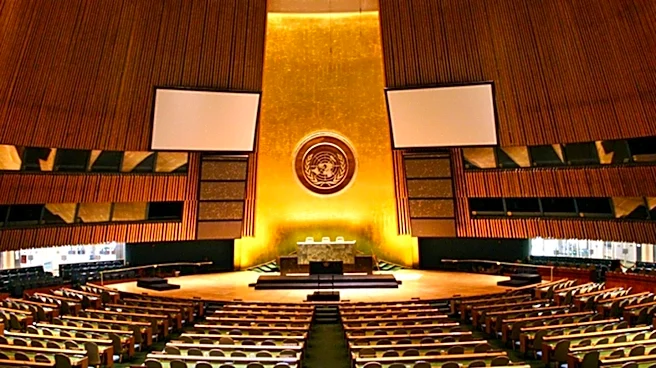
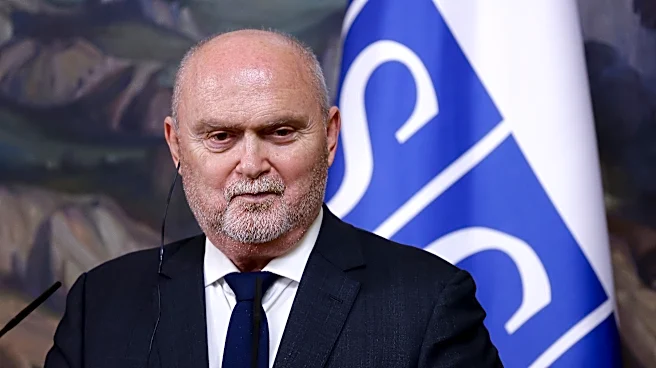
The United Nations Office of Counter-Terrorism (UNOCT) has urged for stronger prevention efforts against violent extremism, particularly across digital platforms. Speaking at the 7th World Forum on Intercultural Dialogue in Baku, Azerbaijan, Acting Under-Secretary-General
Alexandre Zouev emphasized the need to understand online communities and involve young people in developing effective responses. Zouev highlighted that terrorist organizations exploit digital platforms, including online gaming and gaming-adjacent services, for propaganda, recruitment, financing, and operational purposes. These environments connect users globally but also expose them to manipulation and extremist narratives. UNOCT plans to invest in research and practical interventions to address extremist exploitation of these platforms, focusing on understanding online communities and developing credible prevention measures. The initiative stresses the importance of involving young people, researchers, technology companies, and civil society organizations in shaping these responses, alongside engaging women, educators, and religious leaders. Additionally, Zouev underscored the importance of protecting religious and cultural sites from terrorist attacks.
Why It's Important?
This call from the UN signifies a critical shift towards a more comprehensive approach to combating violent extremism, acknowledging that countermeasures must extend beyond simply removing terrorist content. By focusing on online communities and social dynamics, UNOCT recognizes the evolving nature of radicalization in the digital age. The explicit inclusion of gaming platforms as areas of concern highlights a growing awareness of how extremist narratives can infiltrate less obvious online spaces, reaching new and often younger audiences. This approach emphasizes the need for multi-stakeholder collaboration, bringing together technology companies, researchers, civil society, and youth to develop nuanced and effective prevention strategies. The UN's focus on addressing underlying grievances and social divisions that extremist groups exploit is crucial for long-term prevention, aiming to tackle the root causes of radicalization rather than just its symptoms.
What's Next?
UNOCT intends to further invest in research and practical interventions under its Global Programme on Preventing and Countering Violent Extremism. This will likely involve developing new strategies for understanding online communities and creating prevention measures tailored to specific digital environments. The emphasis on youth participation suggests future initiatives will actively seek input from younger generations in designing counter-extremism campaigns. Increased cooperation between technology companies, researchers, and civil society organizations is also anticipated, potentially leading to new tools and policies for monitoring and mitigating extremist content and recruitment online. Furthermore, the UN will continue its efforts to support Member States in safeguarding vulnerable targets like religious and cultural sites from terrorist attacks, strengthening international partnerships in this area. The effectiveness of these proposed interventions will depend on meaningful youth participation, contextual understanding, and adherence to human rights principles.
Beyond the Headlines
The UN's focus on online gaming platforms reveals a deeper understanding of the evolving digital landscape and how it can be weaponized by extremist groups. This highlights the ethical responsibility of gaming companies and social media platforms to actively monitor and moderate content, balancing user freedom with safety. The call for youth involvement is not merely symbolic; it acknowledges that young people are often both targets and potential agents of change in combating online extremism, possessing unique insights into digital cultures. This initiative also touches upon the broader societal challenge of social fragmentation and mistrust, which extremist narratives exploit. Addressing these underlying societal issues requires a holistic approach that goes beyond technological solutions, involving education, community building, and fostering inclusive dialogue to build resilience against radicalization. The protection of cultural sites also underscores the symbolic warfare waged by terrorists, aiming to erase heritage and sow discord.